 A John Deere Publication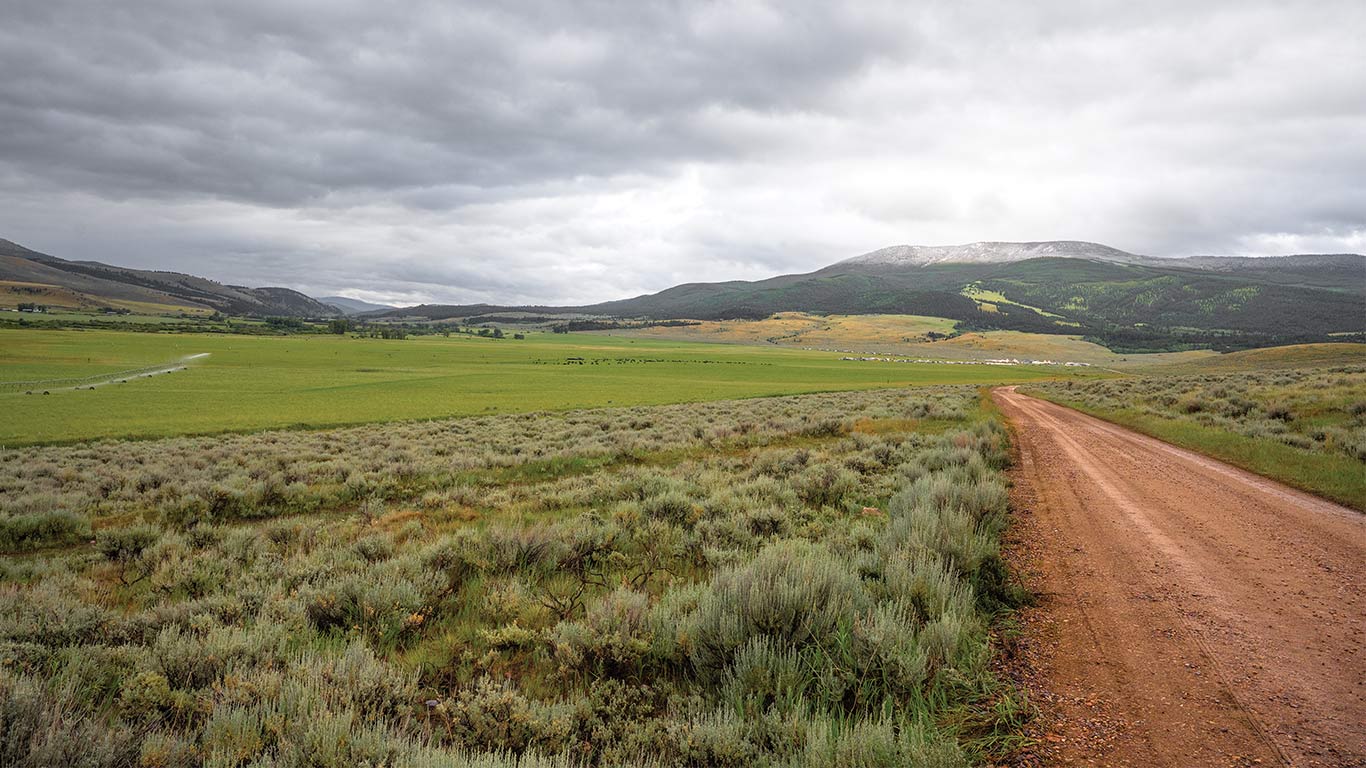
Old Salt Festival is a three-day event held on the ranch each June. Besides concerts and amazing Mannix beef cooked to perfection, attendees get one-on-one conversations with ranchers about land stewardship.
Agriculture, Farm Operation June 01, 2026
Montana's Mannix Ranch
A family rooted in the past, with an eye on the future.
Story and Photos by Martha Mintz
Dew dazzles and dances in the early morning June sun as cows and calves are gathered from sub-irrigated meadows to the corrals at the Mannix ranch.
The crew is in good spirits despite the full day of work ahead processing the herd. This isn't a given considering they're barely 24 hours clear of hosting several thousand people at the ranch. Event tents from the three-day annual Old Salt Festival still stand on the other side of the valley.
The festival celebrates music, good food, and land stewardship. It's a glaring example of how this Helmville, Montana, ranch family does things a little differently. The more subtle everyday acts, however, are what they hope will see the ranch successfully through several more generations.
"I think the biggest thing we have going for us is that we get along and we like each other," says Brent Mannix. That's easily said in a one-on-one partnership. Their situation is a bit more complicated.
Brent owns the ranch in equal partnership with his two brothers, Randy and David and their wives Stacey, Mo, and Peggy. They make up what they call the "G4" or Generation Four of the ranch.
Also in the mix are the G5s, including Logan, Bryan (and wife Kate), Jordan, and Erica Mannix and Ashley with her husband Taylor Ophus.
Achieving profitability and keeping this many family members working together happily is an ongoing labor of love and an attitude of progress.
"The open mindedness of our family culture stemmed from my grandma and grandpa," Bryan, Brent's son, says.
They were very supportive when Brent, Randy and David attended Ranching For Profit courses in the 1990s. "I think that school changed the trajectory of the ranch," Bryan says.
Instead of just cowboying every day, they started more intensively viewing and operating the ranch as a business.
Gaining efficiency was an early focus. They started breeding for smaller-framed cattle.
"We live in a harsh environment where we have to feed a lot of hay in the winter. A smaller cow is a more efficient cow in this system," Bryan says.
This change along with strategies like intensive rotational grazing, a later calving season, and the start of their stocker program expanded opportunity.
They started direct marketing grass-fed beef through Mannix Family Grass-Fed Beef. That, too, has changed. Today they funnel a portion of their beef through Old Salt Co-op.
Old Salt Co-op is a meat marketplace that partners with other stewardship-minded ranchers. Under the umbrella is a meat company, two restaurants, and the Old Salt Festival.
The ranch is separate, but connected through Old Salt founder, David and Peggy's son, Cole.
Cole's strengths are big thinking and networking. Their other son, Logan, tackles marketing while Bryan, Brent's son, is stepping more into the role of operational management.
Even though G5s aren't partners just yet, they have a seat at the table. The group meets regularly to discuss plans from day-to-day tasks to succession.
"There's a diversity of thought that slows how we operate, but a lot of times I think it lands us in a better spot," Bryan says. A decision might not be how he would have done it, but overall the ranch is better for it.
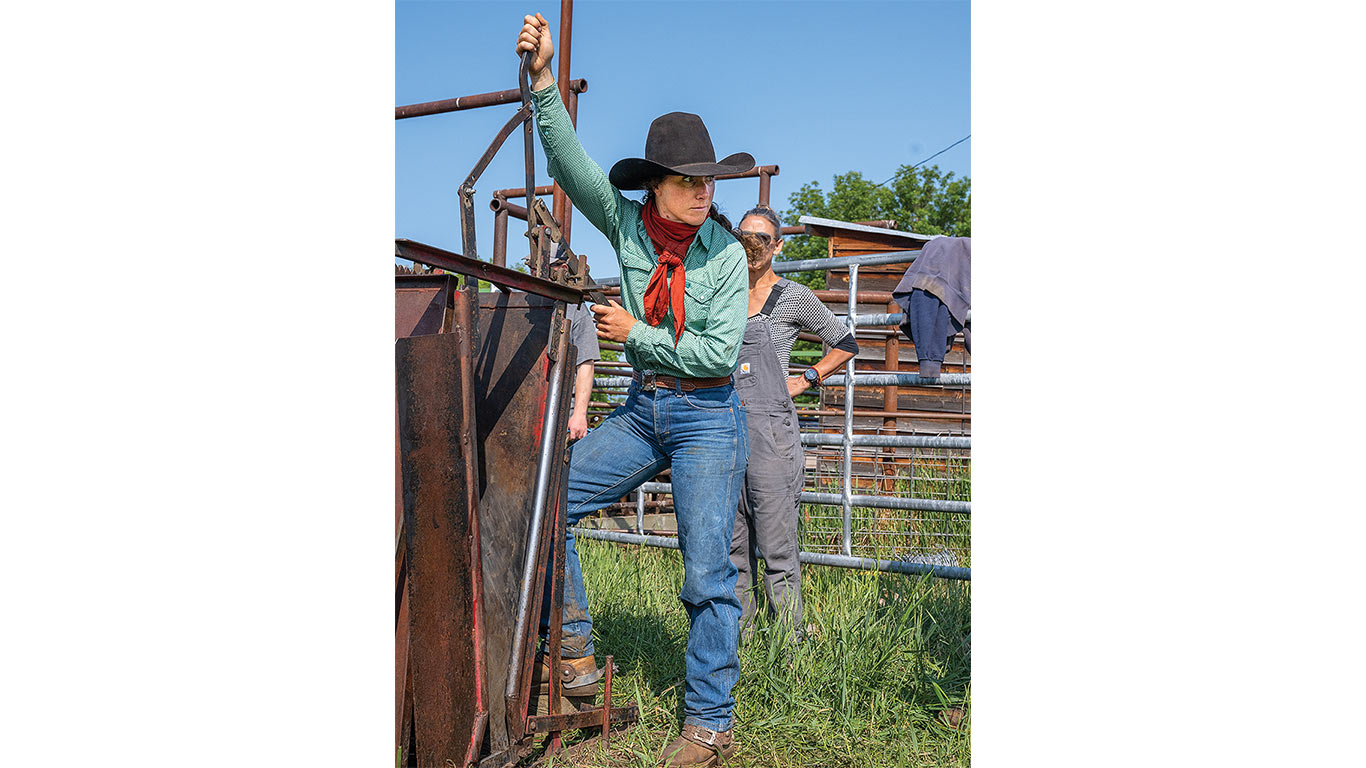
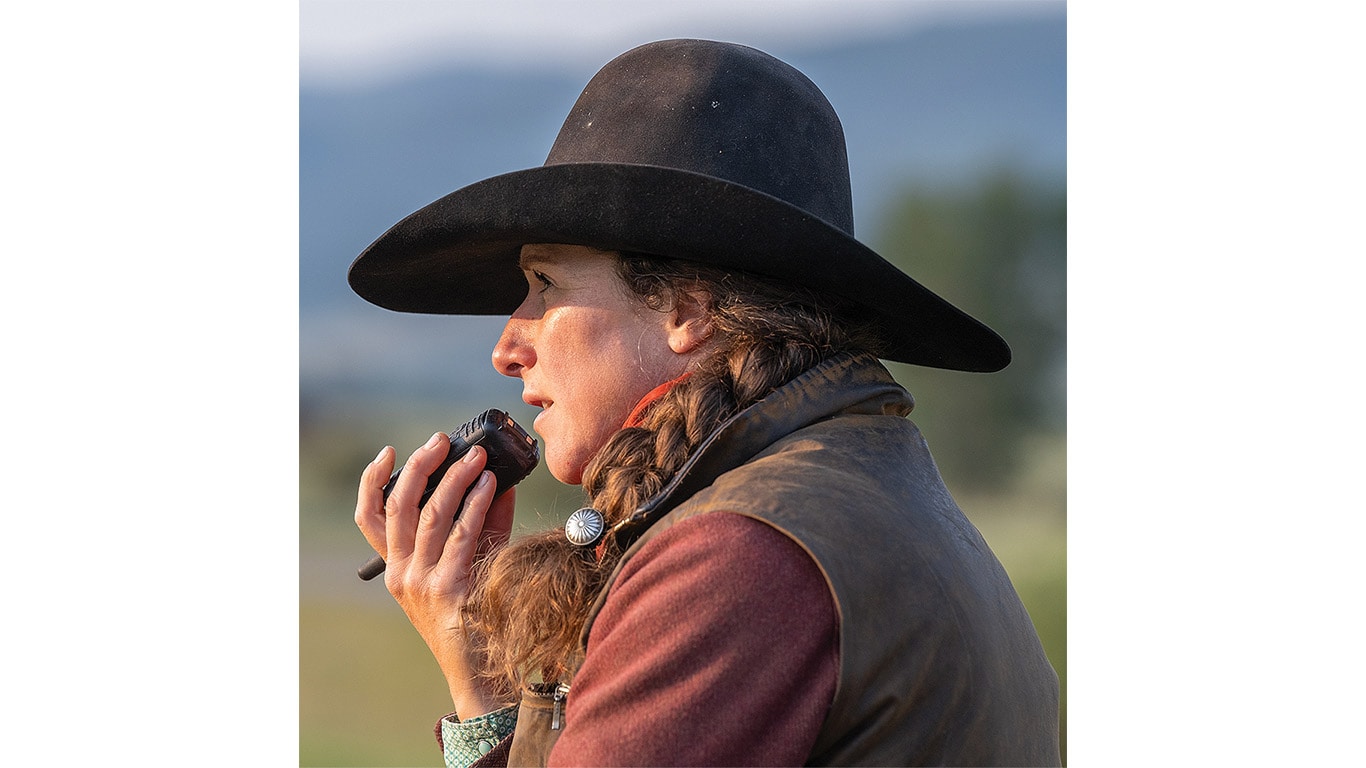
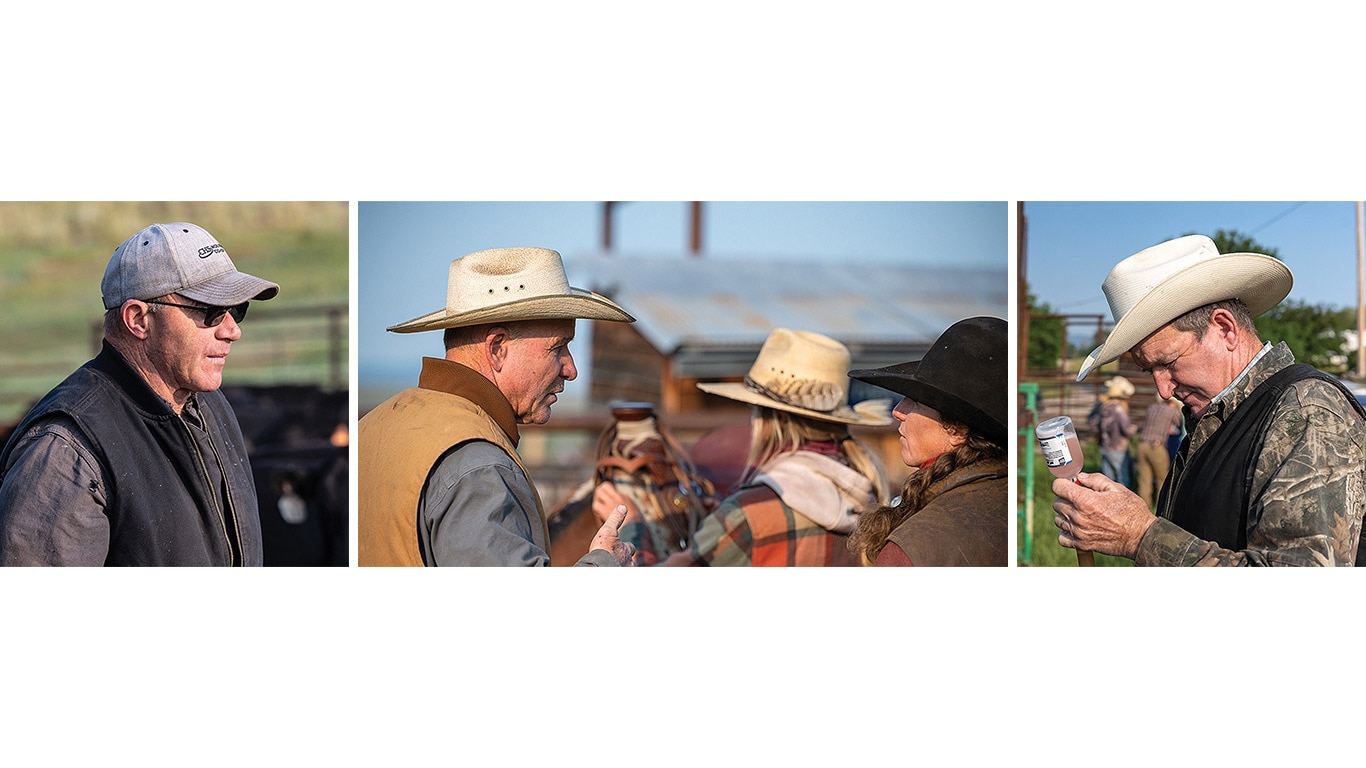
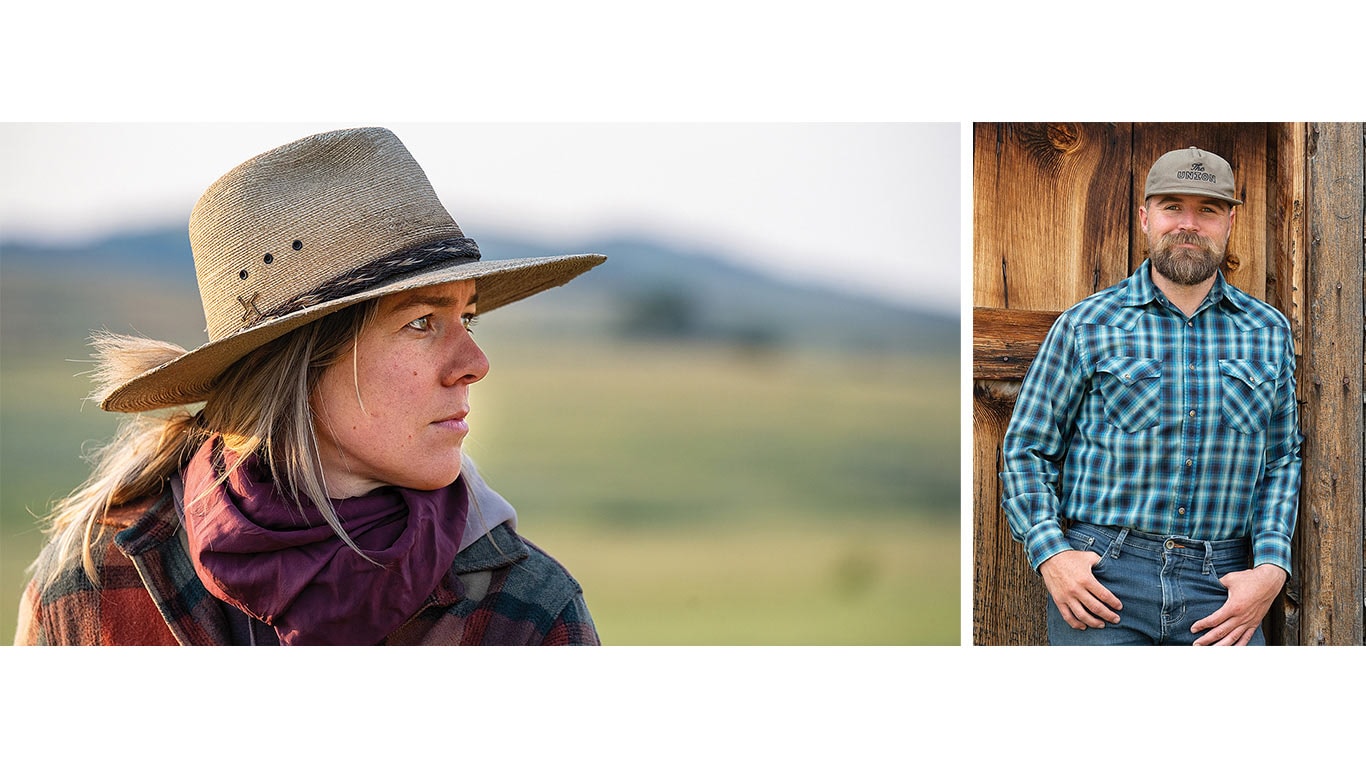
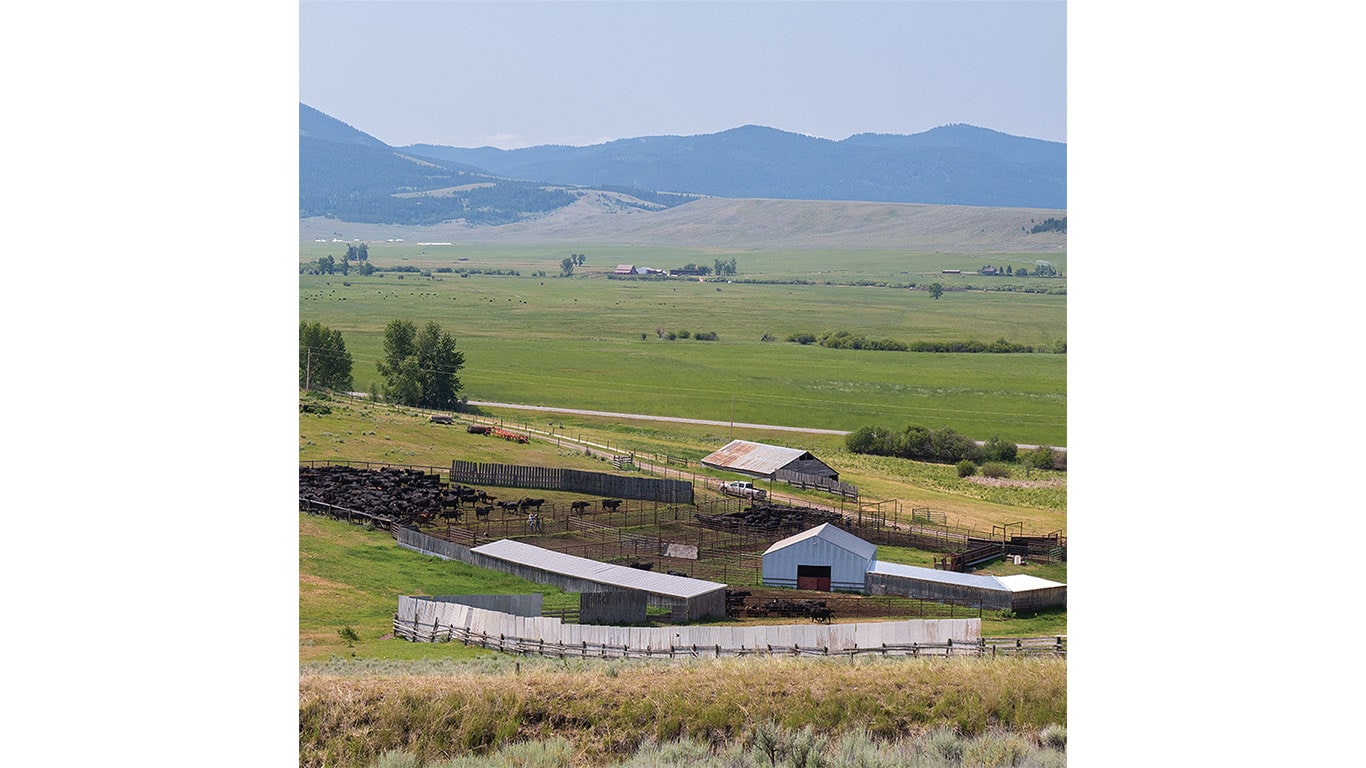
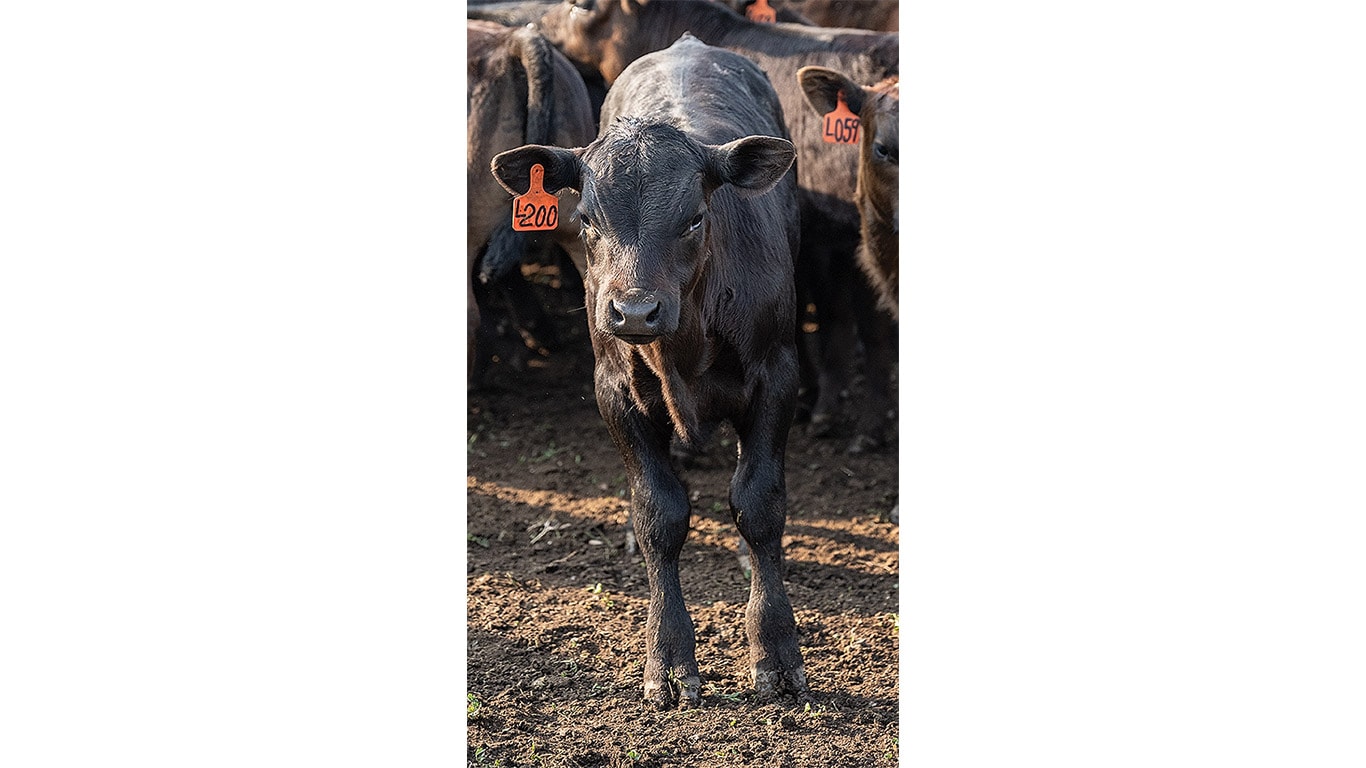
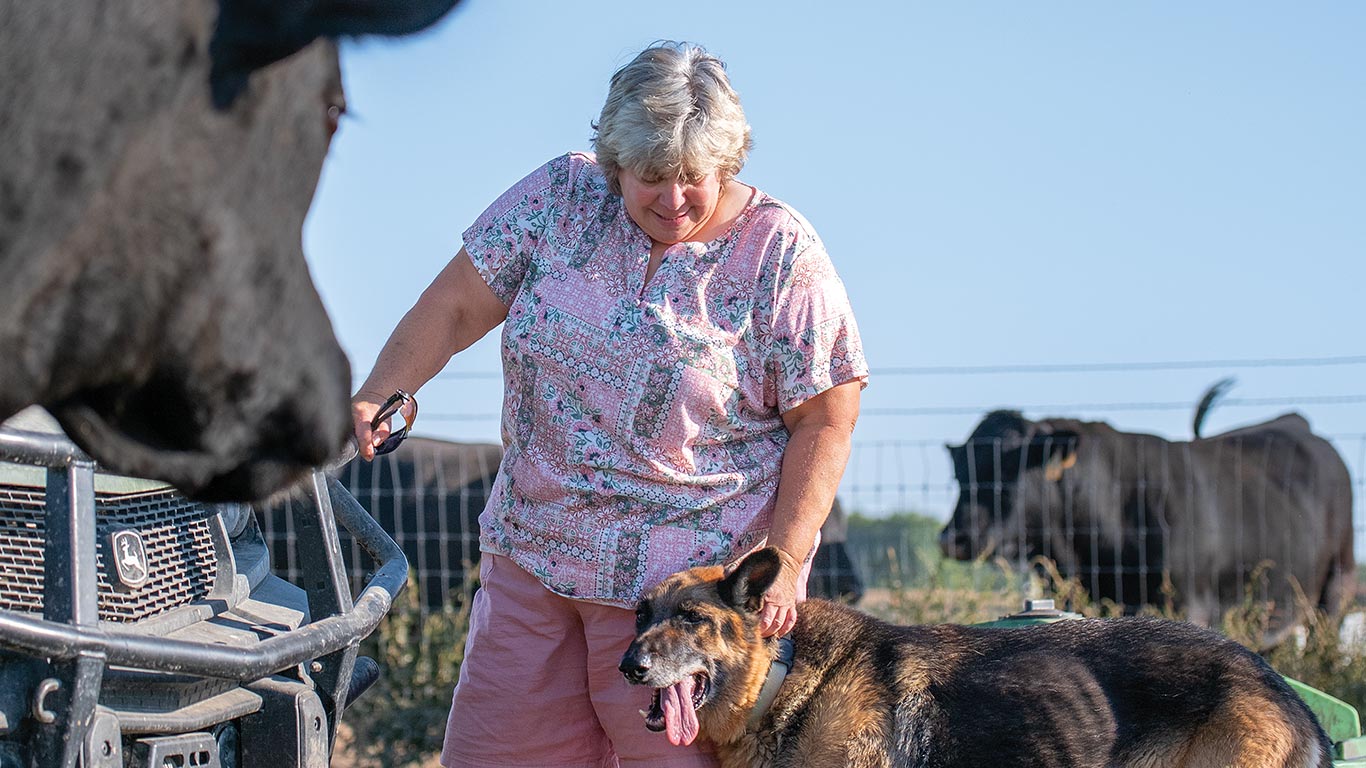
Above. Erica Mannix works on the ranch and has a leather working business. Brent, David, and Randy Mannix and their wives make up 'G4' Generation Four. Strategies like easements make room for G5, including Kate and Bryan. Cows and calves are gathered to receive vaccinations and EID tags. Low-stress management includes not branding calves until they're yearlings and castrating by banding within a few days of birth.
Lasting decisions. In an effort to secure a future in ranching for more generations, the Mannix family has made some bold moves.
Most of the family's land is under conservation easements.
"Selling the easements enabled us to acquire more ground," Brent explains. More ground means more opportunity, but there are restrictions.
The decision isn't reversible. The land can't be divided.
"We made the decision knowing the impact. It was more important to us to keep the land intact for ag and wildlife," Brent says.
"It limits options, but it forces you to focus on relationships. We have to choose to ranch together if we want to be a part of this," Bryan says. It was a decision they'd collectively already made, but this locked them in.
Not all of their big moves have proven successful. In the 1990s they incorporated the ranch, following best practices of the day. With hindsight, that didn't end up being the best path, but that's just how it goes sometimes.
"You can't be afraid to make decisions or to let the next generation make decisions even if they fail. There has to be trust, respect, and love," Brent says. ‡
More articles related to:
Read More of The Furrow
AGRICULTURE, EDUCATION
John Deere Kids Channel
YouTube channel boasts a growing fan base.
AGRICULTURE, FARM OPERATION
Growing Her Own Way
2026 is the Year of the Woman Farmer, but she's been doing it in Illinois since 1986.