 A John Deere Publication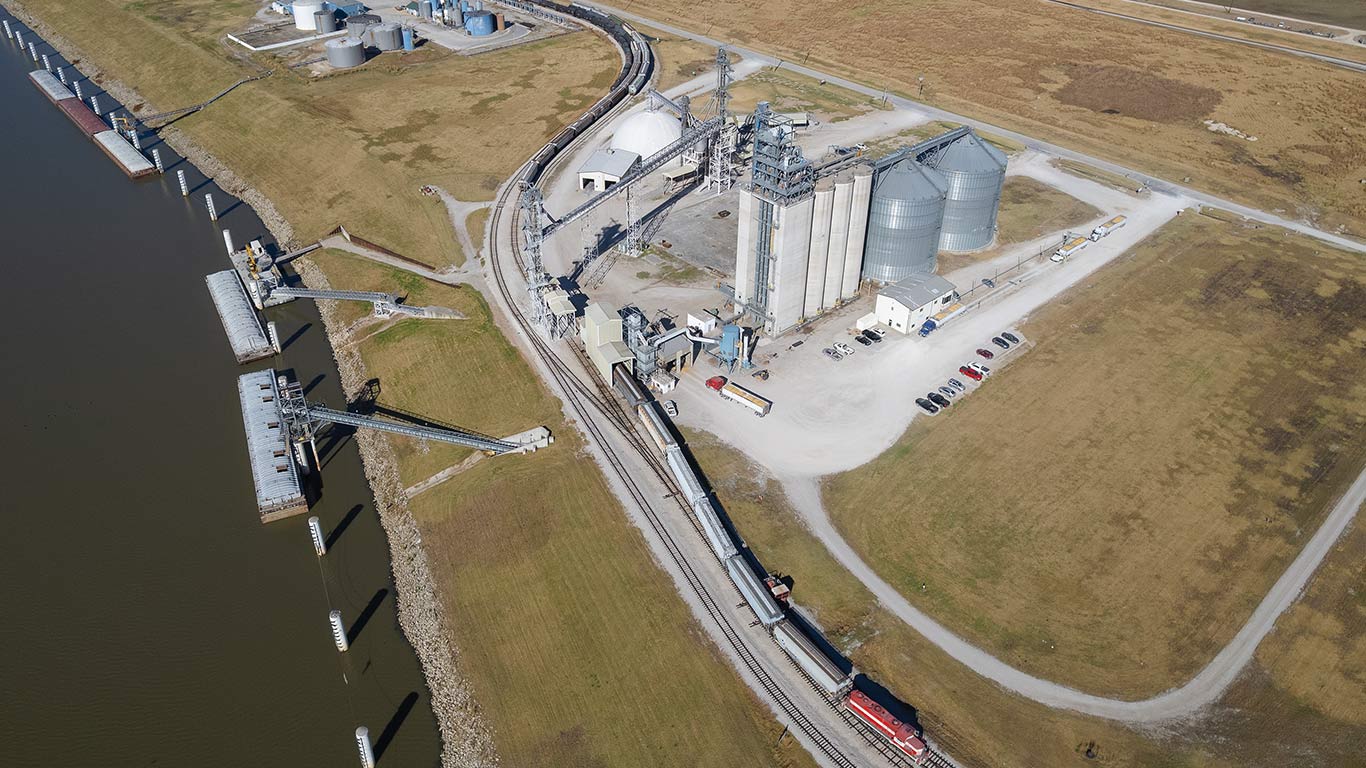
More than 2 million tons of cargo are moved into the Tulsa Port of Catoosa each year.
Agriculture, Sustainability June 01, 2026
Farmers Shape Port's Future
The Tulsa Port of Catoosa is adding rail, thanks to farmers' input.
Story and Photos by Bill Spiegel
At the Tulsa Port of Catoosa in Oklahoma, a major expansion gives northeast Oklahoma greater access to the rest of the world.
A new unit train facility will tie the port into existing BNSF and SKOL rail lines in Kansas and Oklahoma, with fast turnaround to meet Class I railroad standards. When completed in 2027, the $37.5 million project will, importantly for area farmers, provide additional transport methods to move specialized agriculture commodities from farm to end-users all over the world, says Brian Bigbie, the port's economic development manager.
"The project allows us to bring in 100-plus rail cars of a commodity and efficiently offload cargo or break up trains," he says.
Class I railroads must be able to efficiently unload, turn around, and be back on track. The new unit train track should accommodate 24- to 36-hour turnaround times, Bigbie adds. That's the industry standard for unit train turnaround.
Ag-in-a-Box. While the unit train will be capable of moving vast quantities of bulk commodities like grain and fertilizer, it also will move containers, which creates opportunity for identity-preserved commodities.
"Cars will drop those containers off here so that they can be loaded with identity-preserved grains, ingredients, and products," adds Bigbie, who says containers will be loaded on westbound intermodal trains to West Coast ports, where they can be sent to Asia Pacific markets. "That can help lift the market for farmers in Arkansas, western Kansas, and Oklahoma, and as far north as Nebraska," he says.
Bigbie has spent more than a year meeting with farm groups and shippers, studying the feasibility of container shipping for specific ag products—a concept known as Ag-in-a-Box. Zack Rendel, a farmer from Miami, Oklahoma, and board member of the Sorghum Checkoff, says farmers will now have the capability to deliver identity-preserved grains to end-users, potentially boosting profitability. "The intermodal facility gives us the ability to grow and sell directly to buyers who demand traceability and quality. We won't just grow what we think the market might want, but exactly what global customers are asking for, whether that's red grain sorghum, non-GMO soybeans, or specialty wheats," he explains.
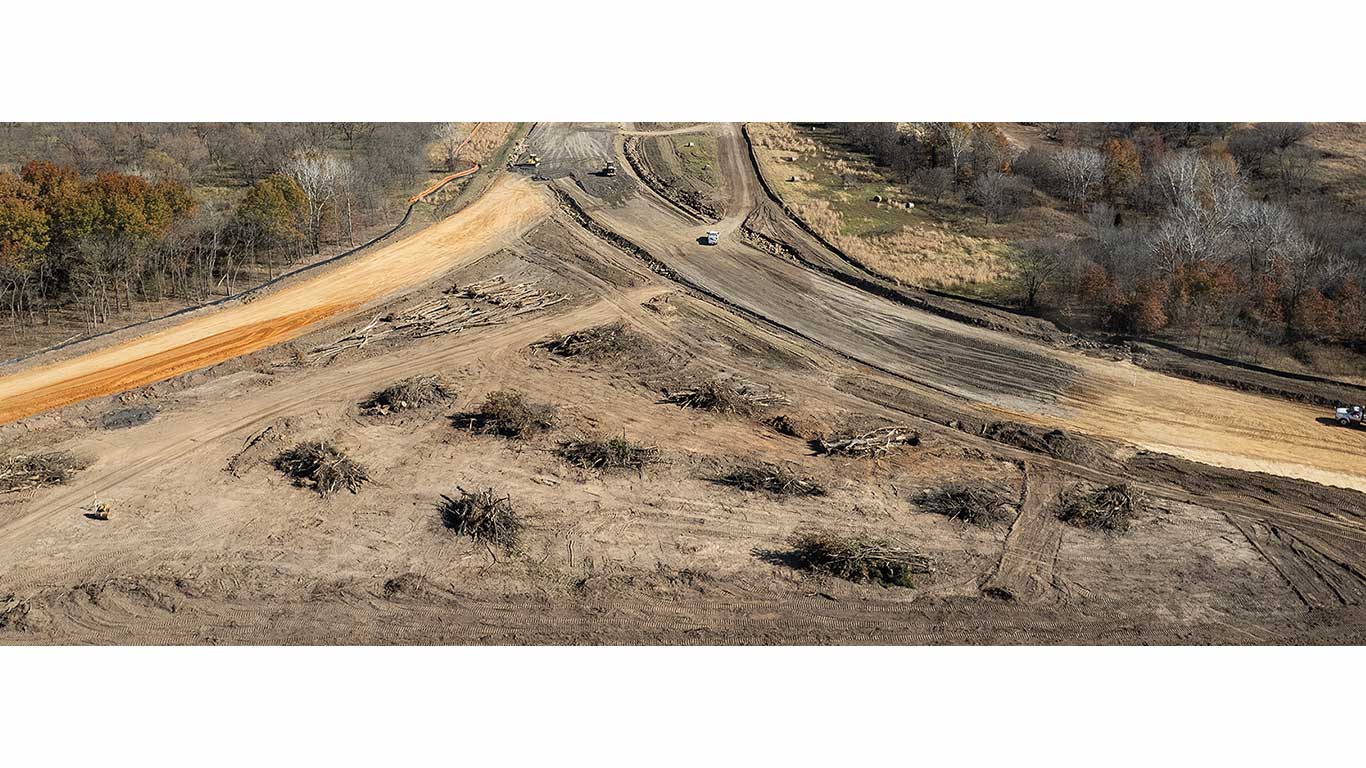
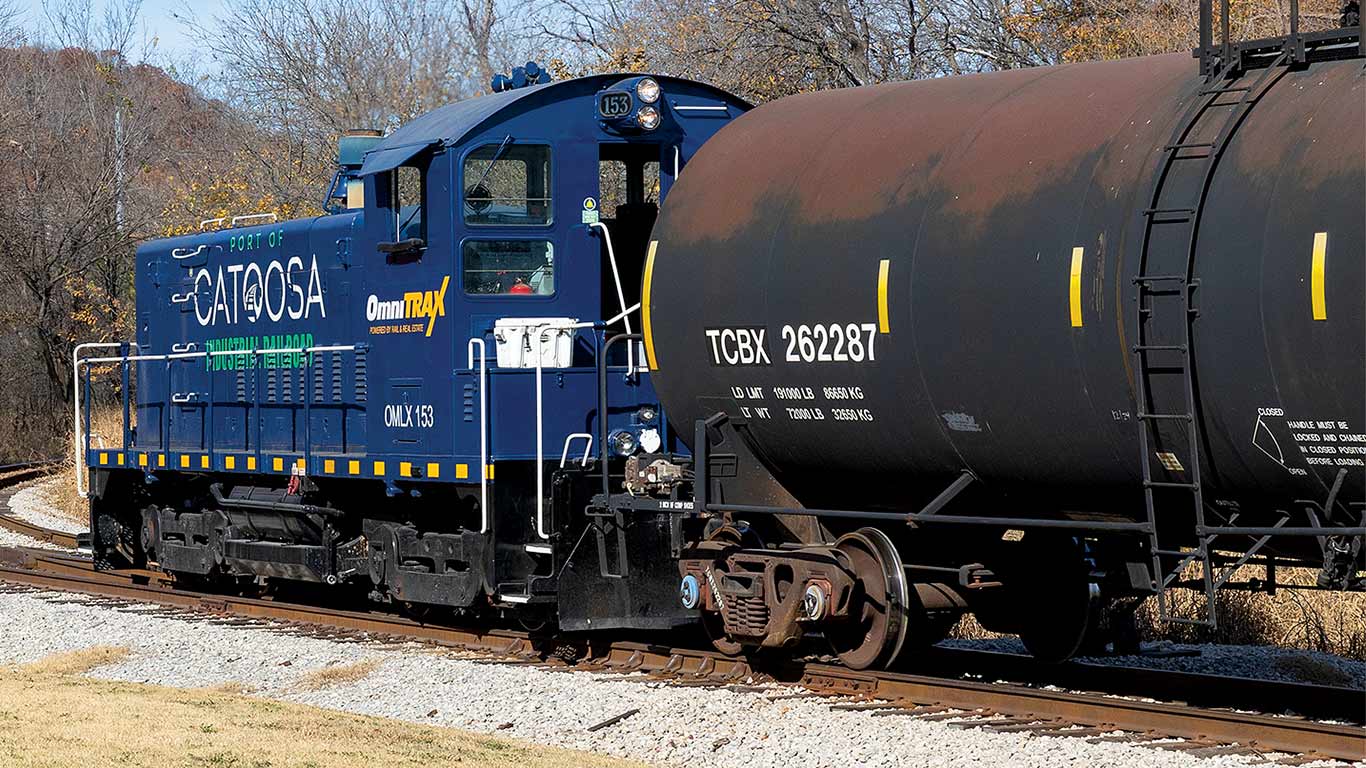
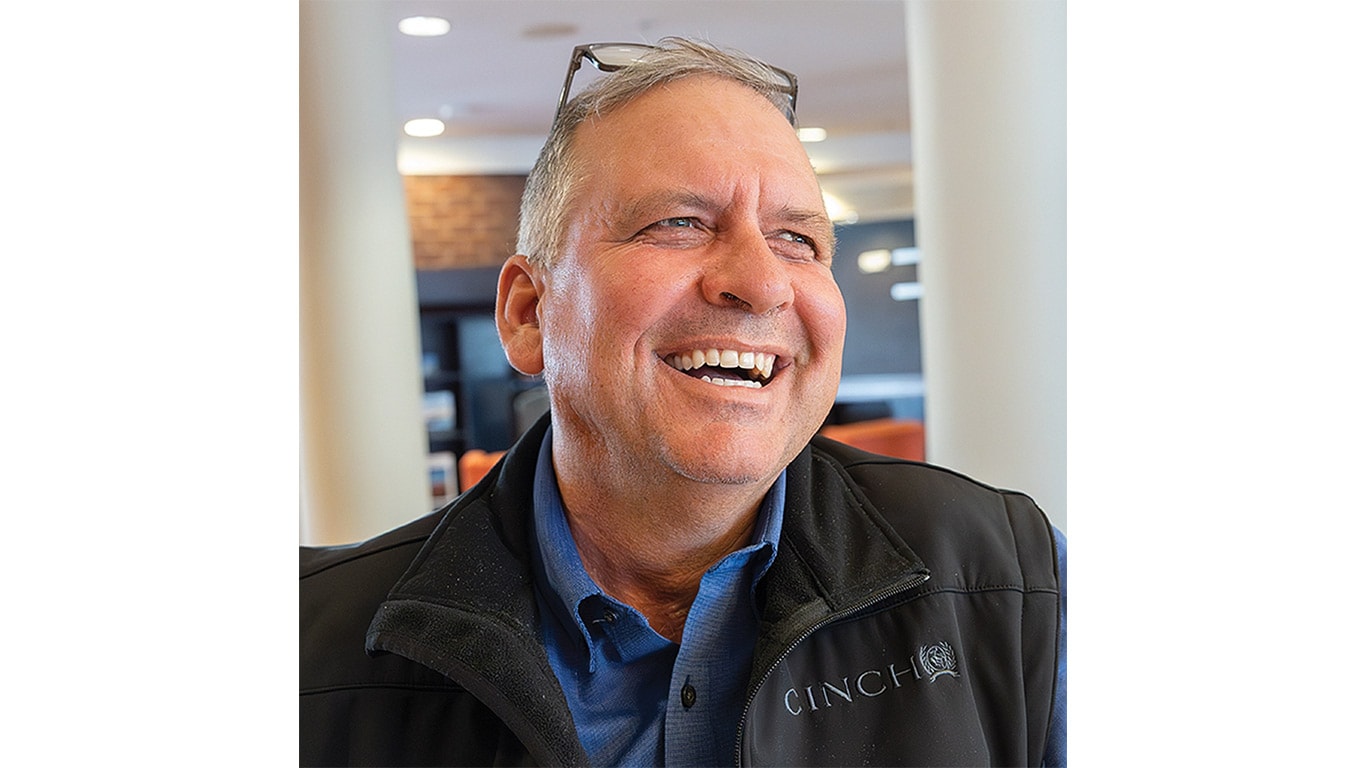
Above. Construction on a new unit train facility at the port is underway. The 2,000 acre facility has short line rail access now. Kansas farmer Scott Gigstad says the port offers farmers a better market for crops.
Serving ag. The unit train investment builds on the port's history as a regional shipping hub. The Tulsa Port of Catoosa was completed in 1971 as the furthest inland point in the U.S. from the Gulf of Mexico via the Mississippi River, and is connected to global trade via truck, rail, and barge. Each year, the port handles some 1,300 barges—the equivalent of 80,000 semi-trucks or 60,000 railroad cars—with cargo including grain, fertilizer, steel, and industrial products.
Farmers who haul grain to Bunge's terminal elevators receive a better cash price because they are closer to end-users. Plus, they can haul dry fertilizer back home, a practice the port calls "matchback." Combining trips is a win-win for farmers, says Scott Gigstad, a northeast Kansas farmer who serves on the Kansas Soybean Association.
"If we can use water transportation to bring inputs like fertilizer more cheaply, that's rubbing pennies together and we'll take advantage of that."
The port's investment into intermodal rail is a commitment to a bright future, says David Yarbrough, executive director of the port. "For over 50 years, we've served and anticipated the future needs of our shippers and shareholders. This investment ensures that continued growth."
More articles related to:
Read More of The Furrow
AGRICULTURE, LIVESTOCK/POULTRY
An Integrated Approach
Combining conservation with traditional cattle management provides rancher with a path to success.
AGRICULTURE, EDUCATION
Amp up AMF
Mycorrhizal fungi—the engine that makes soil work.