 A John Deere Publication
Soil scientist Endy Lopes Kailer’s passion for AMF has led her to farms across Kansas to study soil fungal populations.
Agriculture, Education June 01, 2026
Amp up AMF
Mycorrhizal fungi—the engine that makes soil work.
Story and Photos by Bill Spiegel
If every farmer had the passion for arbuscular mycorrhizal fungi (AMF) that Endy Lopes Kailer has, soils would be in better shape.
Kailer, a research and teaching assistant at Kansas State University, has spent the last five years studying AMF in Kansas soils, learning how tillage, crop rotation, and cover crops impact their population. It's important work. AMF is a necessary link between soil and plants, helping plant roots get the most out of nutrients in the soil, she explains.
"AMF is one of the most important microorganisms in our soil. It forms a symbiotic relationship with almost all plants; not just crops, but pasture grasses, too," she says. "AMF is extremely important for enhancing nutrient uptake, water uptake, and resilience to pathogens and drought."
Many farmers take the benefits of AMF for granted, but Kailer advises against that. Imagine a spider web underground, built from AMF hyphae to hold soil particles together, forming macro aggregates, which give the soil resilience to withstand dry periods and erosion.
The P connection. AMF expands a plant's root system, allowing crops to take up more micro- and macronutrients, improving nutrient efficiency rather than just applying more fertilizer. On phosphorus, the effect is particularly strong, she says.
"We know that phosphorus is relatively immobile in the soil, so unless the roots are reaching that area where the phosphorus is located, there is minimal phosphorus uptake. We also know that most of the phosphorus in our soil is bound to unavailable forms," she explains. "AMF releases organic acids which turn unavailable forms of phosphorus into plant-available forms and delivers it straight to the plant."
AMF does not "make" nutrients, she explains; it helps the plants use nutrients already in the soil. Over time, they will actually mine soils of nutrients, so those nutrients need to be replaced. But eventually, when synthetic phosphorus fertilizer is added, active AMF populations can improve the efficiency of plants to access that phosphorus.
It's a long-term investment for your soil health that will translate into improved yields," she says. "You might not see that immediately, but you will eventually."
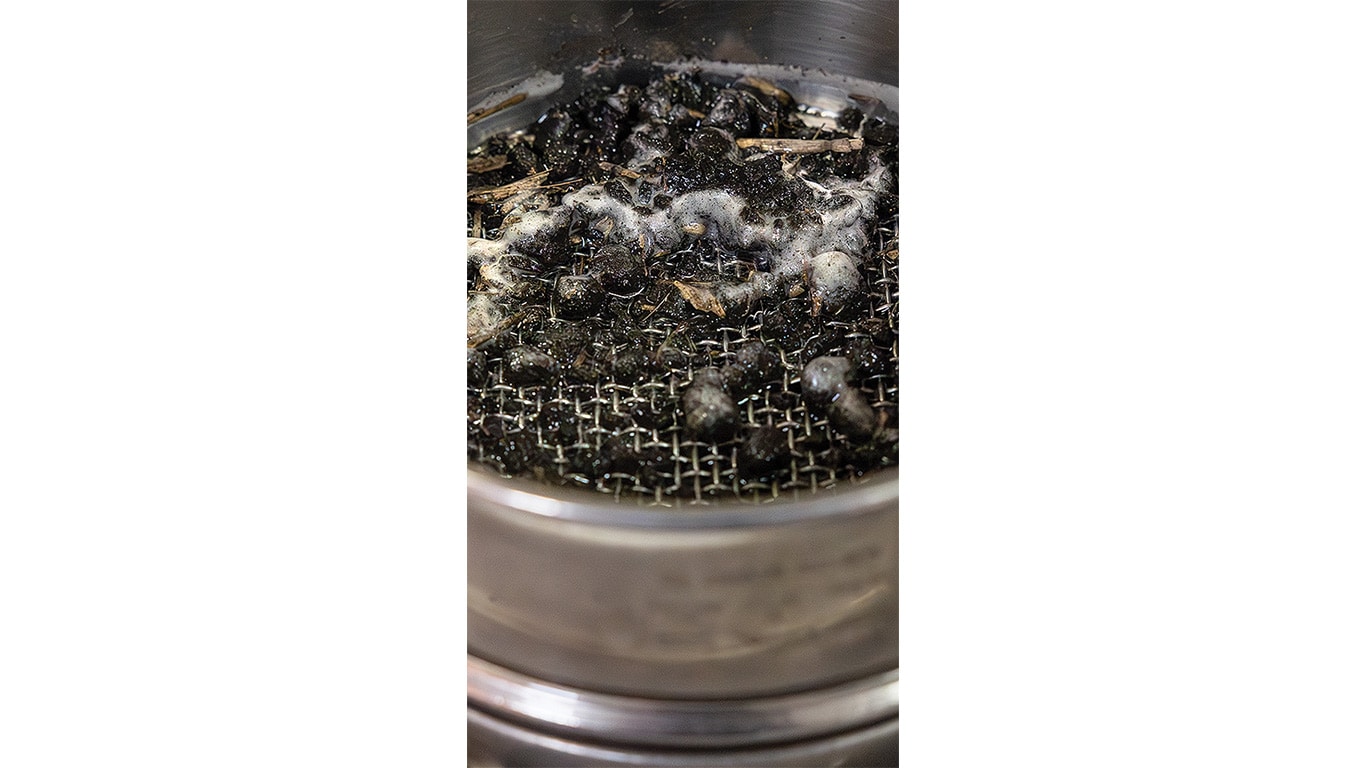
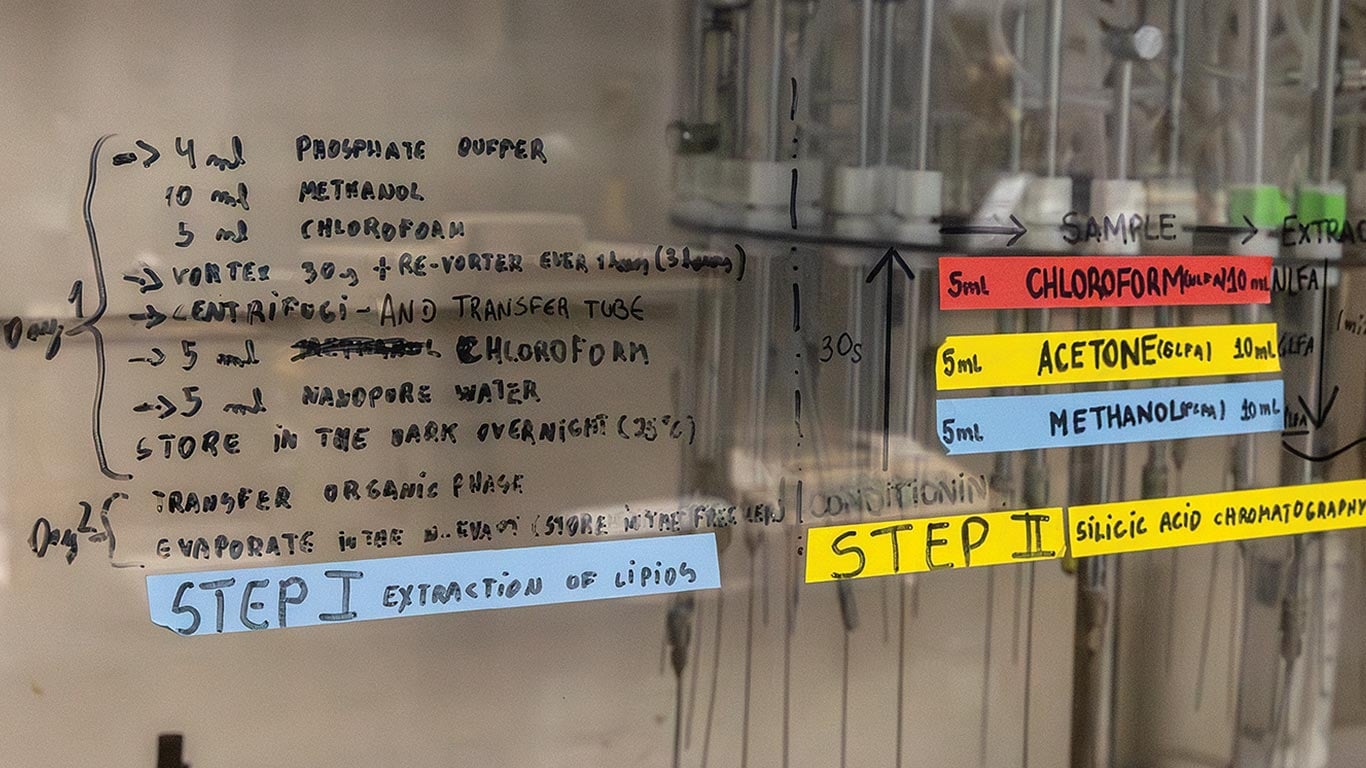
Above. At a laboratory at Kansas State University, researchers spend days preparing soil samples to measure ar-buscular mycorrhizal fungi. Lab work translates into discovery of AMF impact on soil health.
Manage for AMF. AMF populations depend on environment, soil type, crop rotation, and farm practices. Growers can test soils with a neutral lipid fatty acid (NLFA) test, which helps estimate mycorrhizal fungi populations. Some labs will "stain" roots and look under a microscope for the presence of AMF, or see if aggregated soil is stuck to plant roots. AMF is a main driver of soil aggregation, as fungal hyphae hold and "glue" soil aggregates together. AMF is an "obligate biotroph," which means they exist only in the presence of live plants.
"Fallow soils won't have a living root to supply the carbon the fungus needs to survive," she says. "It's a symbiotic association. Plant carbon from photosynthesis feeds into AMF and in exchange, the fungus expands the root system's reach."
Alternative AMF. Kailer warns against buying products that claim to add AMF to farmers' soils. She has tried some products in test trials and their efficacy is mixed. And she also notes, some products may displace native AMF without improving yield.
"I would use practices like no till and cover crops to naturally enhance the population," she suggests. "There is potential for bioinoculants in the future, but there is so much more we need to know before buying them." ‡
More articles related to:
Read More of The Furrow
AGRICULTURE, SUSTAINABILITY
Farmers Shape Port's Future
The Tulsa Port of Catoosa is adding rail, thanks to farmers' input.
AGRICULTURE, LIVESTOCK/POULTRY
Up the Value Chain
Beef producer brings in new customers one bite at a time.