 A John Deere Publication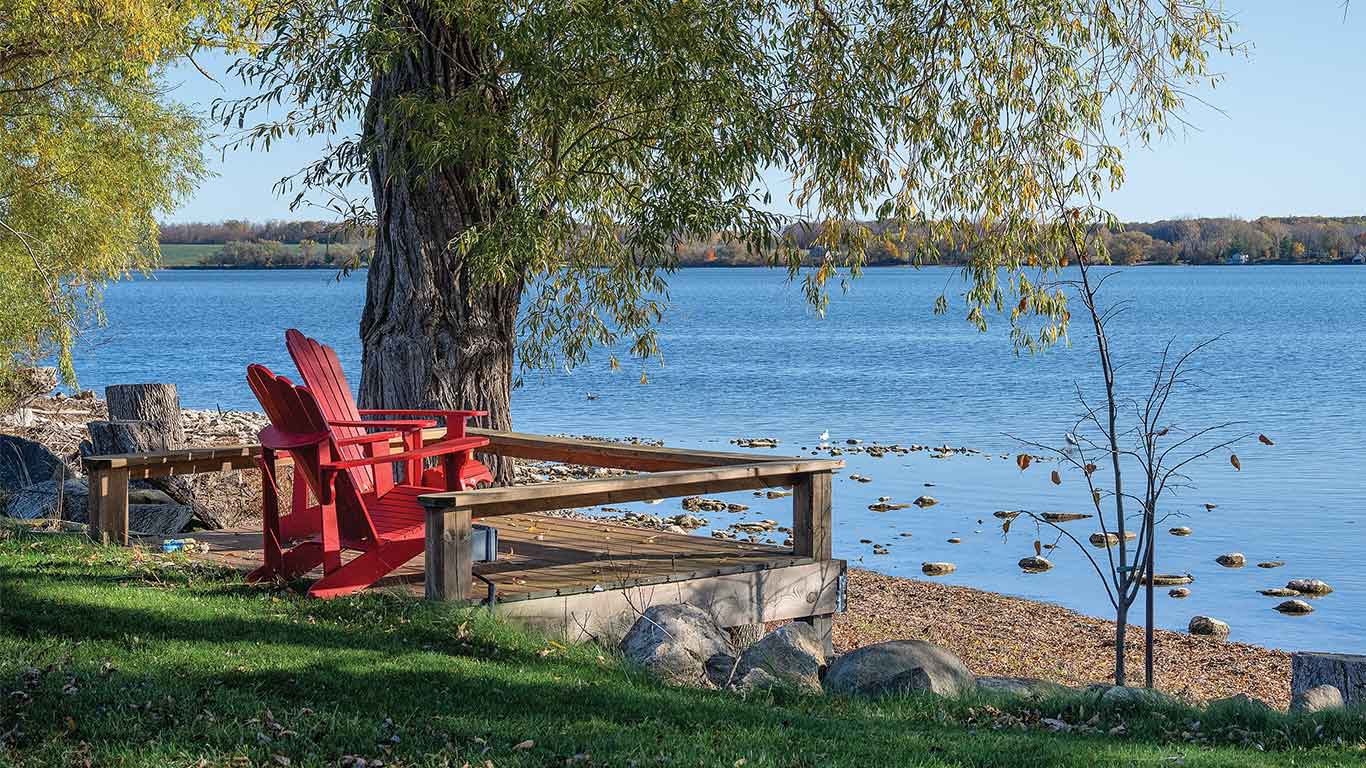
Peaceful waterfront lots attract non-farm neighbors.
Agriculture, Specialty/Niche June 01, 2026
Art of Neighboring
Connections and consideration bridge gap with non-farm neighbors.
Story and Photos by Martha Mintz
'Good fences make good neighbors,' certainly applies in livestock production and likely the suburbs. The Kaiser family have long taken a different tact when it comes to rural neighbor relations. They choose to build bridges of understanding and mutual respect within their increasingly non-agricultural community.
The Kaisers farm 1,100 acres of corn, soybeans, wheat, and sunflowers in Greater Napanee, Ontario. They also raise 110,000 replacement pullets and maintain 30,000 layer chickens.
While none of this sounds overly extreme in an agricultural setting, concerns start to rise when their context is considered. The Kaisers' farm dominates a picturesque point of land on Hay Bay, a protected inlet of Lake Ontario.
Since purchasing his first tract of land on the point in 1968, Eric Kaiser and his son, Max, have watched the gradual but steady advancement of rural gentrification along the water's edge.
"When I came here the land was poor and there was a mix of farmers that had a few cows, pigs, and chickens. They survived by renting rooms bed and breakfast style," Eric says. Waterfront cottages that were remnants of a once thriving fishing industry were used as weekend retreats. Year-round neighbors were few and far between and the rural community dwindled.
Gradually, Eric built a nice contiguous block of land that he renovated with tile drainage, no-till farming practices, manure applications and cover crops.
"There weren't many of us out here in the 1970s when I was going to school," Max says. A good measure of the neighborhood was who was riding the bus, and those numbers were very low.
Then, roads were improved. The narrow country lane became a full two-lane highway that was regularly plowed in winter.
"Gradually it became reasonable for people to live here and commute 45 minutes to an hour to Kingston or Belleville," Max says. Cottages were torn down and replaced with permanent residences. Farm lots were stripped from waterfront lots, clearing the way for often high-value homes.
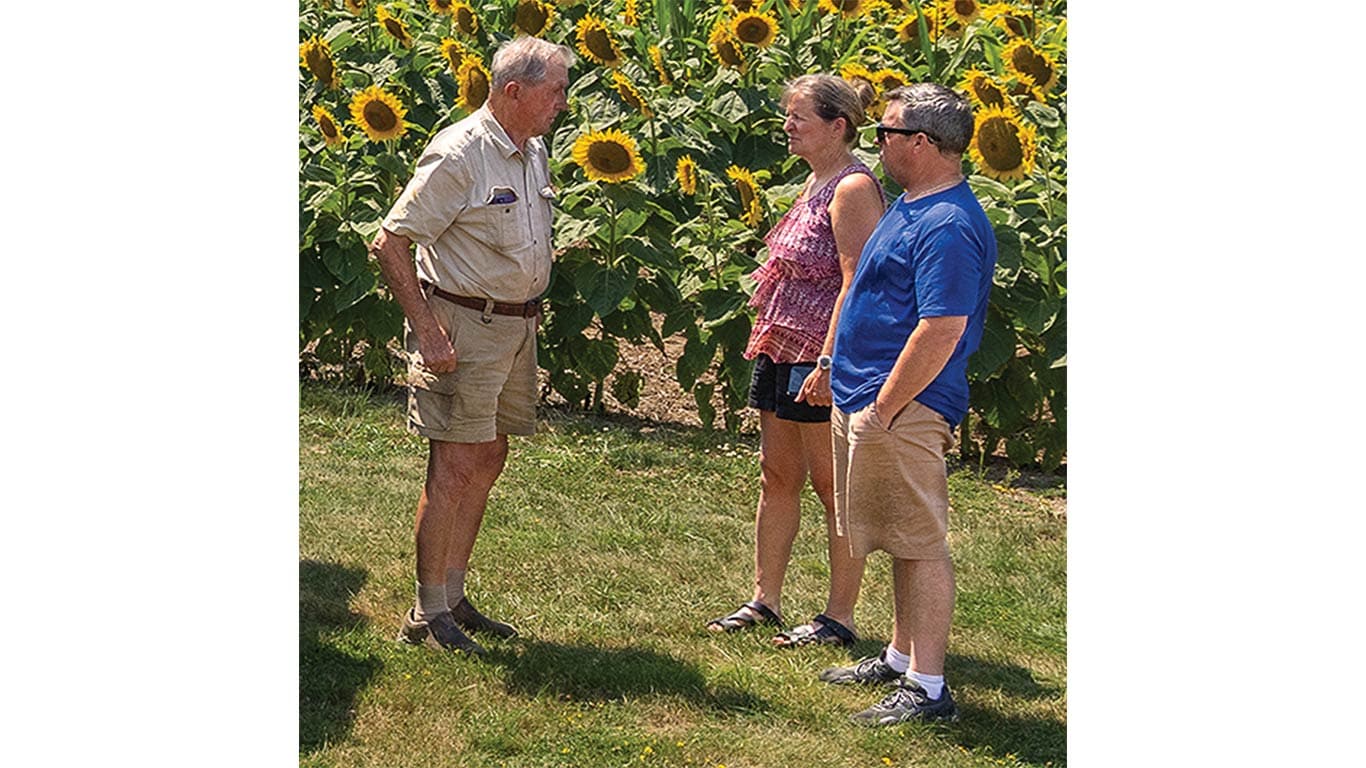
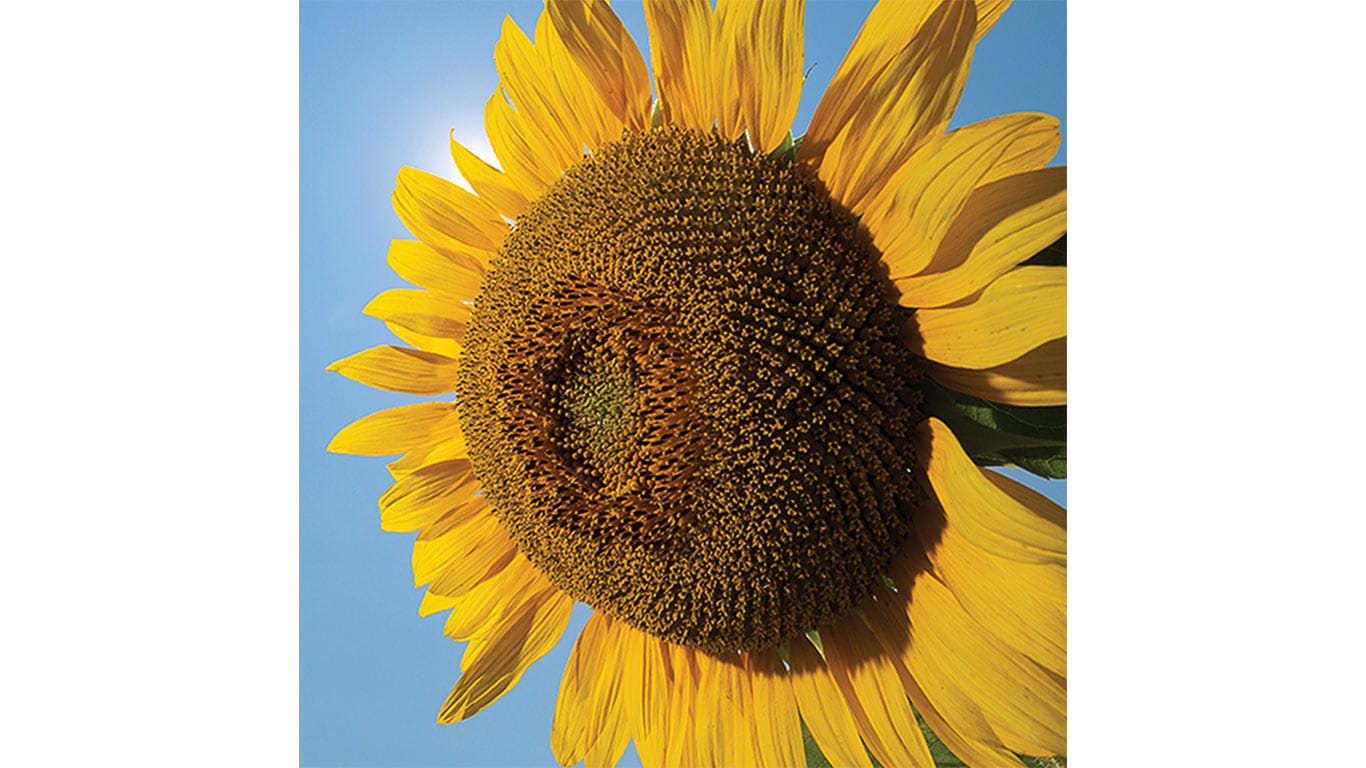
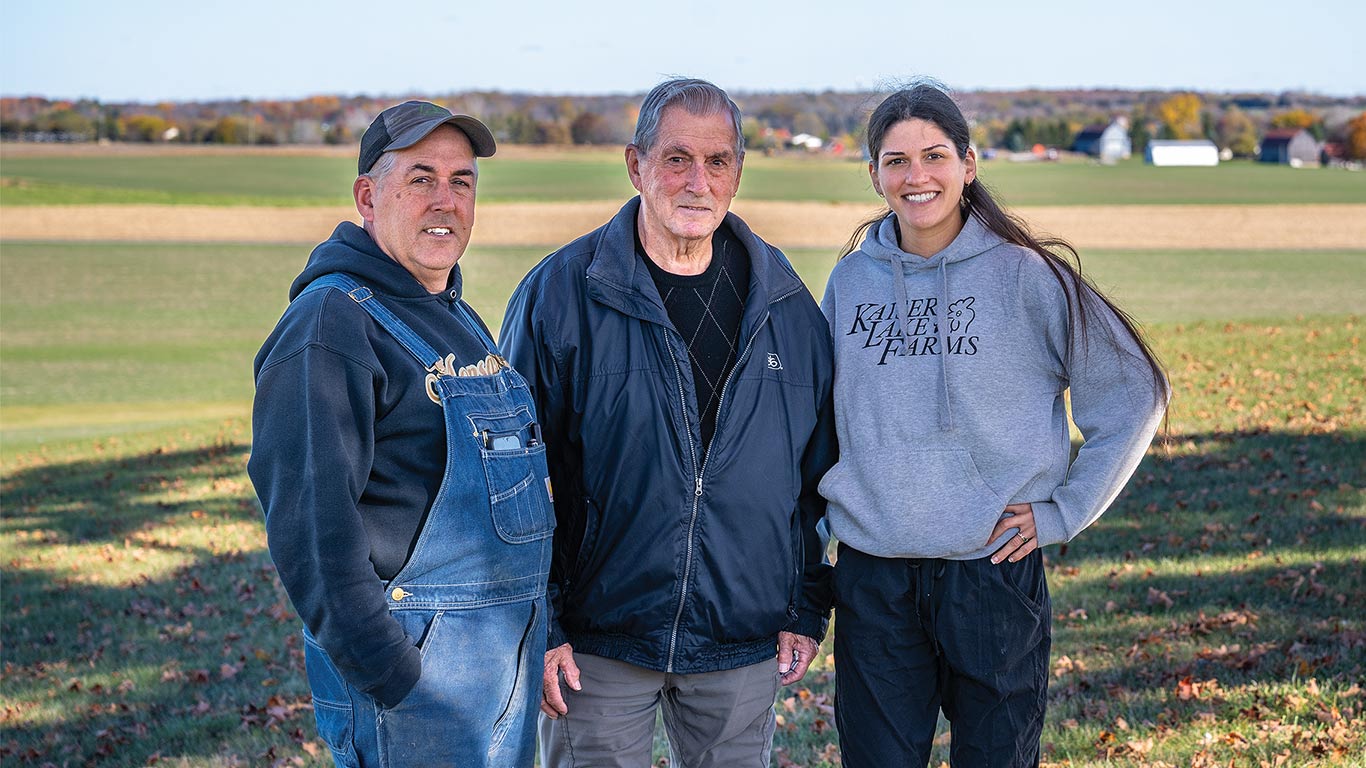
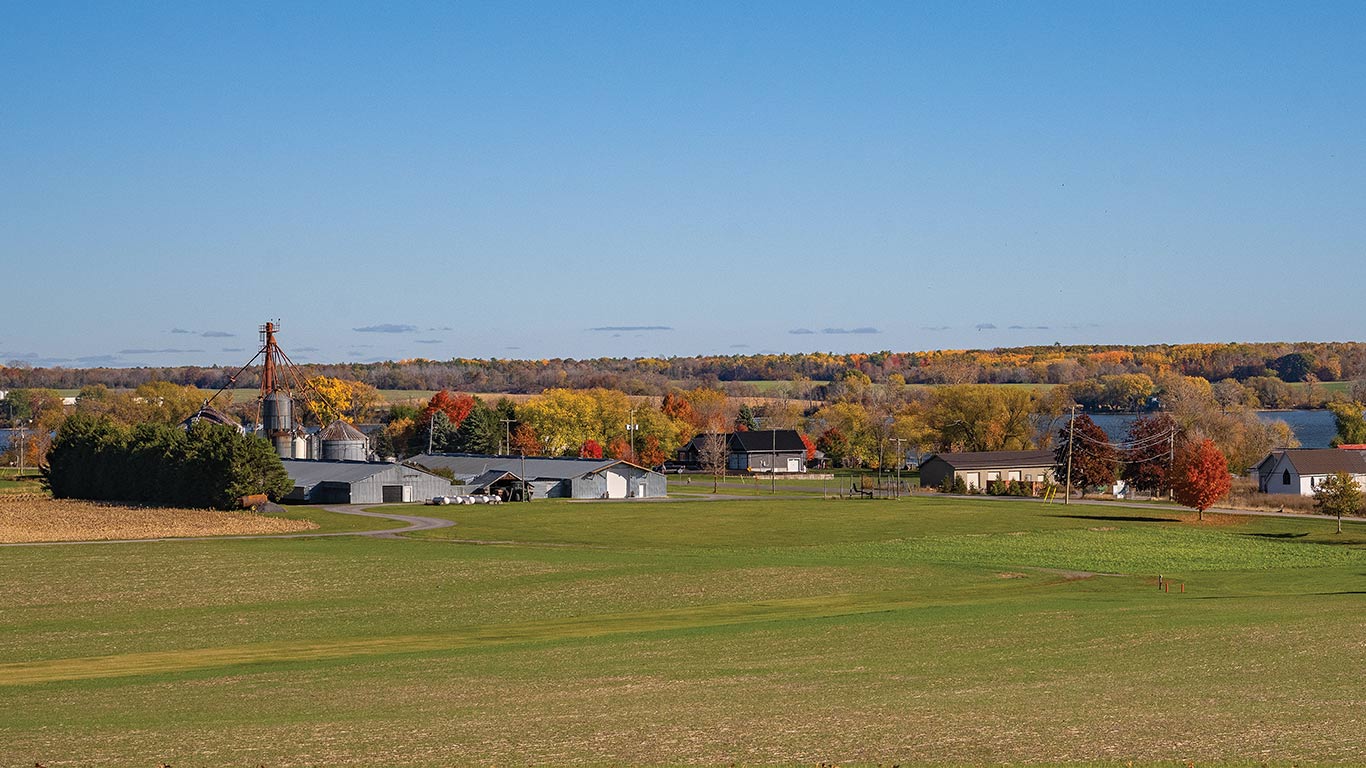
Above. Eric Kaiser enjoys chatting with his ever-expanding population of non-farming neighbors. Sunflower fields are planted near the road for easy photo opportunities for the community. Molly-Beth creates signs with fun ag and farm facts. (L to R) Max, Eric, and Molly-Beth Kaiser. Eric Kaiser enjoys keeping the property neatly mowed and tidy, including a once-forgotten cemetery he's renovated. Neighbors see the farm as a net positive, a beautiful green space out their backdoor that they can enjoy.
Making nice. Eric has always been the neighborly sort. As he cleared land it came quite natural to do simple things like offer the wood to his neighbors.
"I would lay the trees down in rows and they would come cut it for firewood. They were happy and I was happy because I had less to clean up," he says. He also allowed hunting on his wooded acres. Eventually, he saw the need for more formal interactions.
In the late 1990s he started distributing a one-page newsletter to all the neighbors. It shared what crops they were growing, why they were using certain practices, what times of year and in what areas they could expect to see manure spreading, and more.
"You don't get complaints if people know what's coming and what to expect," he says.
We apply liquid manure, spread cover crop seed, and then scratch it in. They know there will be a smell, but that it will be dramatically reduced within a day or so.
This opened the lines of communication. At first glance, it seems the non-farm neighbors get most of the benefits.
Max notes he's always willing to lend out a torque wrench to someone who knocks on his shop door, occasionally lets folks unload brush in their rock pit, or take strolls on the private farm lanes between their fields.
One winter, there was a generational snow storm. Max spent a good amount of time with his tractor and 9-foot snowblower clearing driveways.
They continued sending out newsletters every few years. Their shop became the home of an annual community barbecue and dance fundraiser. When they added sunflowers to their rotation, they always made sure there was a field near the road for picture taking.
"For me, these things are mostly just about being a good neighbor," Max says.
The farm does benefit. When doing dirt work, making noise, or when bad weather pushes field applications, neighbors are far less likely to call in a complaint.
The relationships they've built leaves neighbors reassured that whatever they're doing, they're doing it for the benefit of the land and the water and that they're using the best practices possible.
Max's children, Molly-Beth and Rob, have brought about a new layer of connectivity—social media. They use community pages to communicate about various farm activities. Usually it's when they have eggs available, or when the sunflowers will be perfect for photos. One time, Molly-Beth posted photos of donuts someone had made with a car in their freshly seeded field.
"Everyone on the point rallied together," she says. The post took off. People expressed outrage and wanted to know how they could help. "It was like something bad had happened to everyone in the community and we were a team facing this together."
Instead of foes, the Kaisers have built strong allies in their neighbors; and with education, gained a few ag advocates, too.
"There's mutual respect and there's comfort in that," Max says. ‡
More articles related to:
Read More of The Furrow
AGRICULTURE, RURAL LIVING
Cowboy State Harbors Polo Passion
Wyoming boasts a rich history of polo and polo ponies.
AGRICULTURE, SPECIALTY/NICHE
A Refreshing Twist
Sparkling lavender lemonade opens pathway to success.