 A John Deere Publication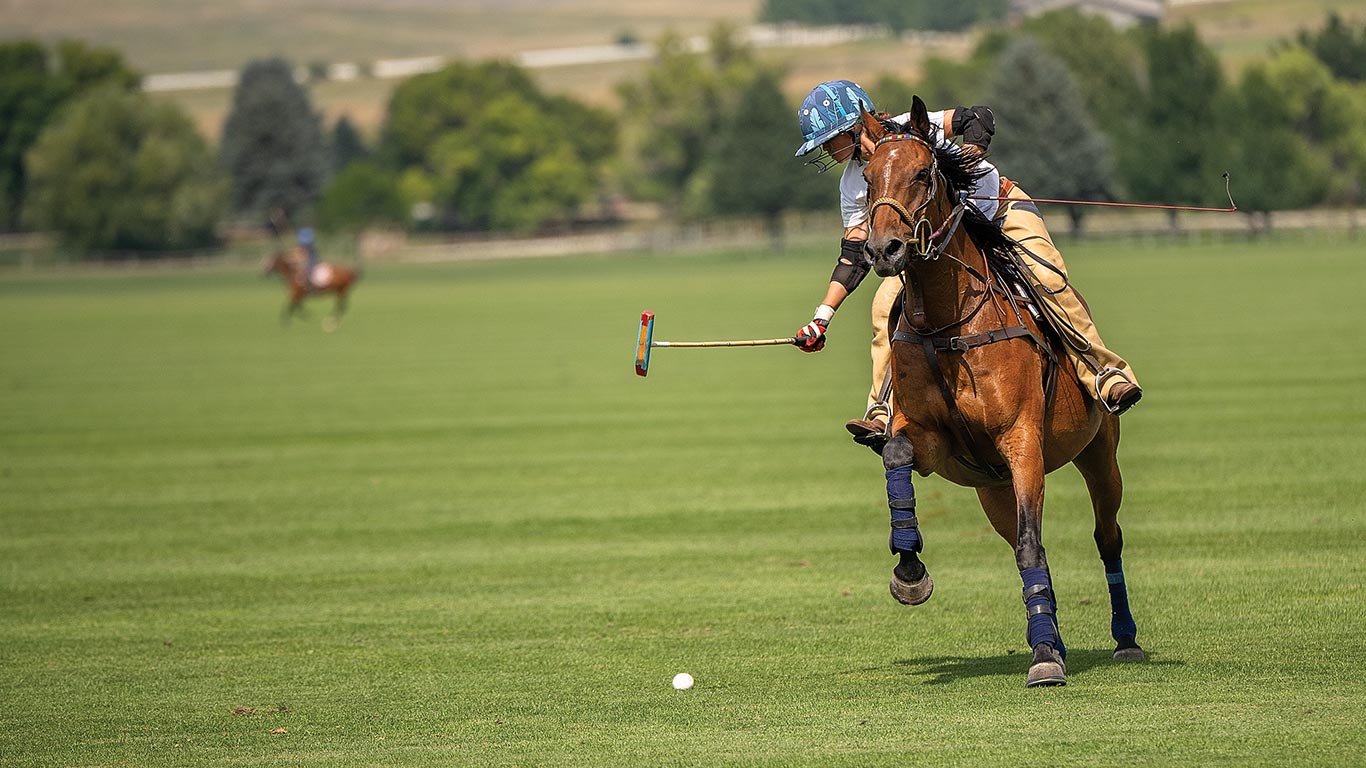
Big Horn Polo Club provides riders and fans a more casual polo experience. Recreational players, trainers on young mounts, professional players and their families all ride together while tailgate-seated fans cheer them on.
Agriculture, Rural Living June 01, 2026
Cowboy State Harbors Polo Passion
Wyoming boasts a rich history of polo and polo ponies.
Story and Photos by Martha Mintz
The muted thuds of 32 hooves pounding into sod build to reverberate in your chest as a cluster of horses charge down a 300-yard field. Legs churning, mallets swinging, 1,200-pound animals push off each other as riders take aim at a 3.5-inch diameter ball.
Polo is incredible as a spectator sport. It's straight up addictive for the players and their mounts—as Wyoming's ranch hands discovered more than 120 years ago.
"Team roping is great fun, but it's a lot of waiting. Take that 6 to 8 seconds of excitement you get in roping and multiply it into an hour and a half? That's polo. It delivers a lot more fun for the time spent," says Robert Beckman, recreational polo player and Big Horn Polo Club (BHPC) member.
Three times a week through July and August you can find Beckman and a uniquely diverse mix of fellow riders swinging mallets to their hearts' delight in fields outside Big Horn, Wyoming.
The region has a rich cowboy culture, but polo has also been long beloved in the community.
According to the BHPC website, the first polo match in the area took place at the Sheridan Fairgrounds on July 4, 1893.
"English folks came here and started buying ranches. They brought polo with them," Beckman says. It didn't take long for them to realize that the attributes of a good ranch horse line up nicely with a good polo horse.
Area cowboys and their mounts were able to easily pivot from roping calves to swinging mallets. The horses were attentive and had the disposition to handle the pressures of the field.
"You'll even see horses pin their ears and start following the ball," Beckman says. One of the horses he rides is a paint ranch horse he originally used for roping and still uses to work cows.
"Quarter horses work really well in low-goal polo," he says. There's less all-out running and more stopping and turning. In more professional settings, the lung capacity of a thoroughbred becomes more necessary.
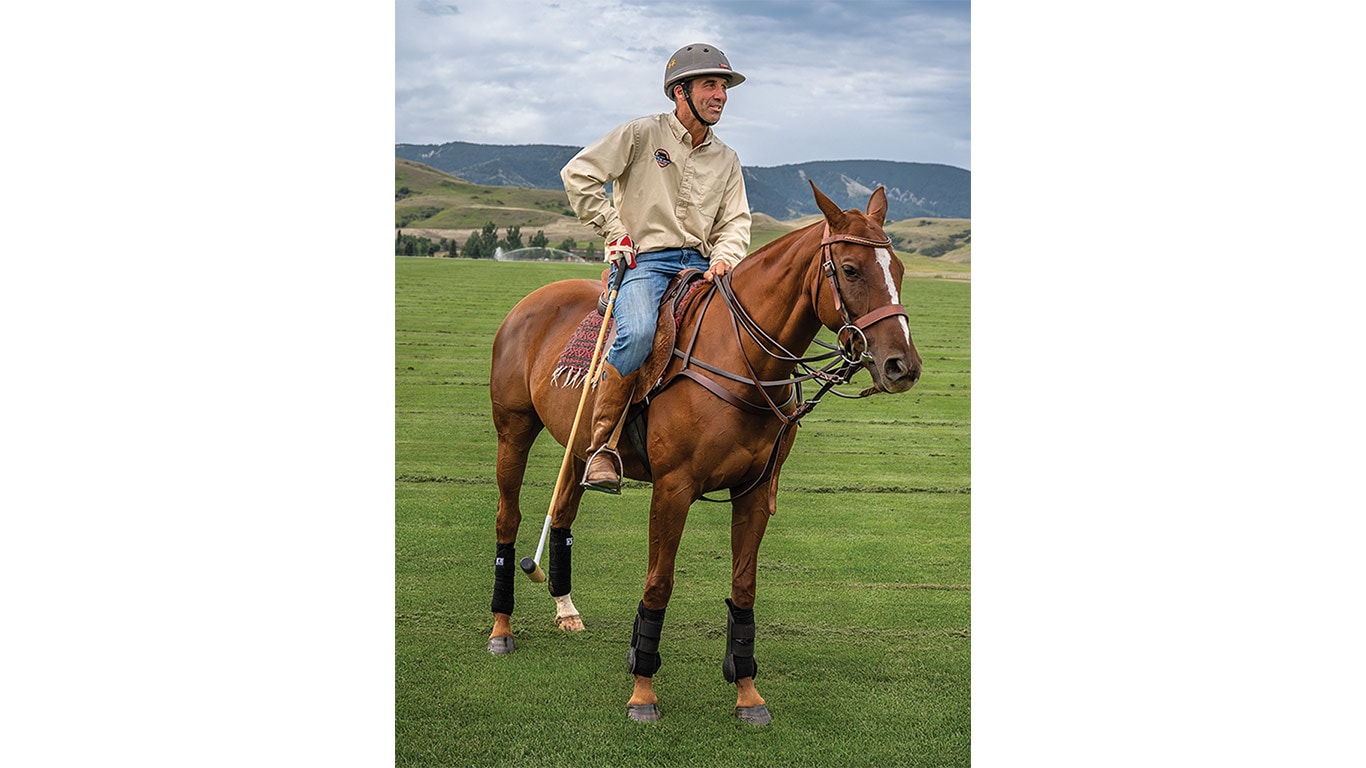
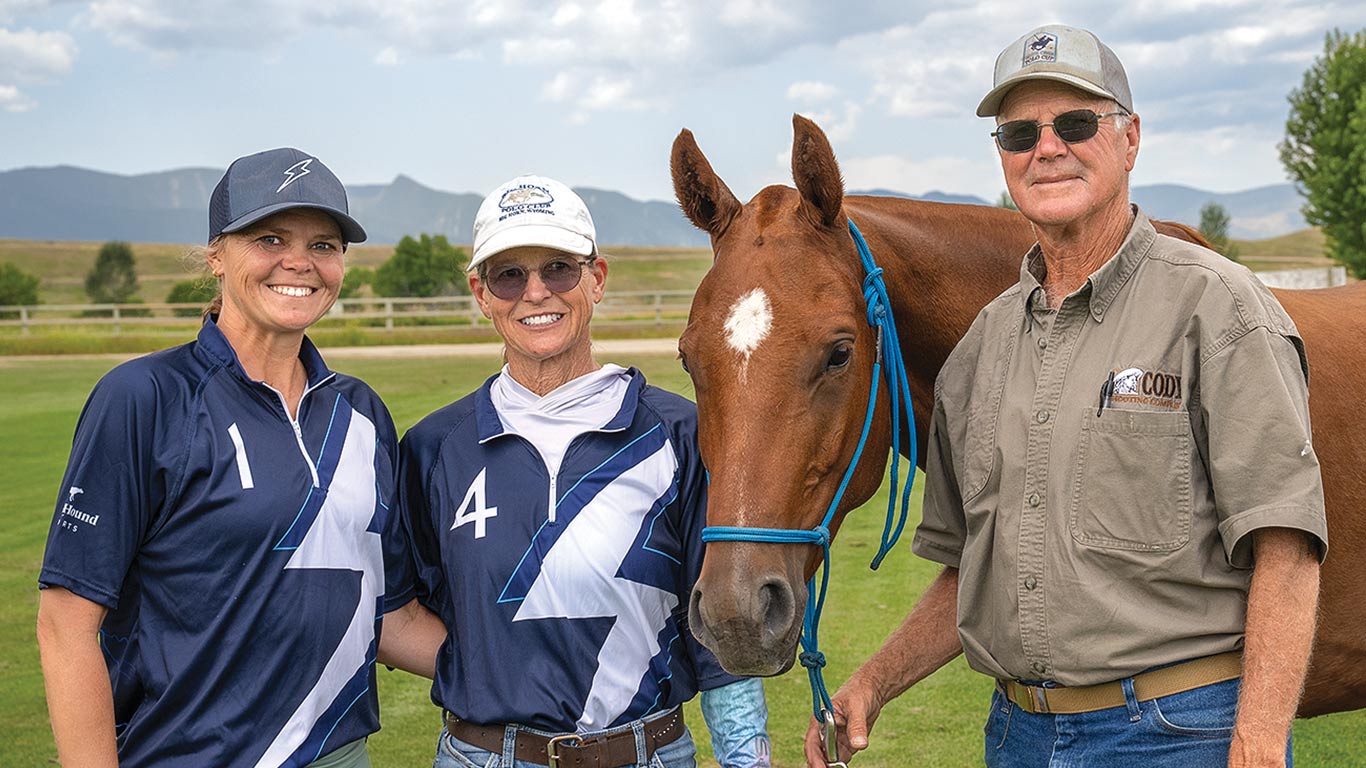
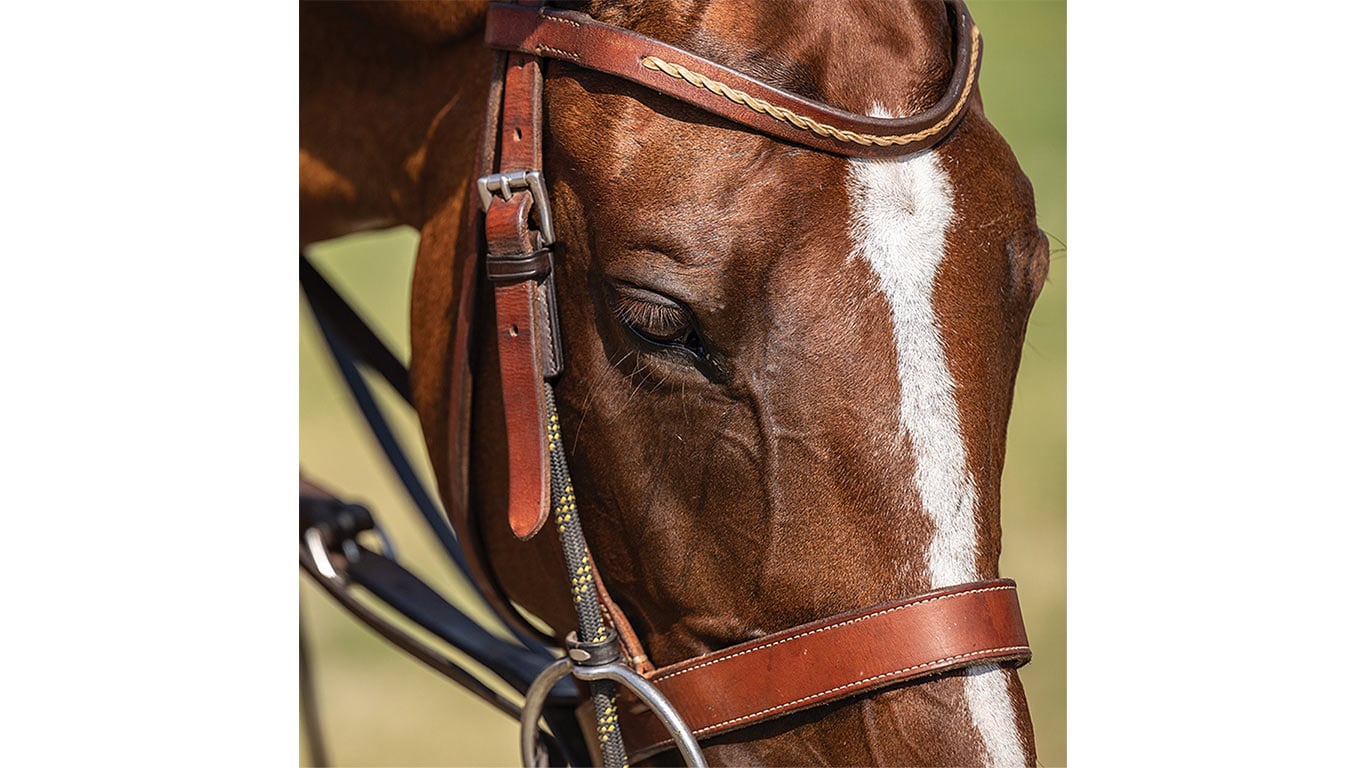
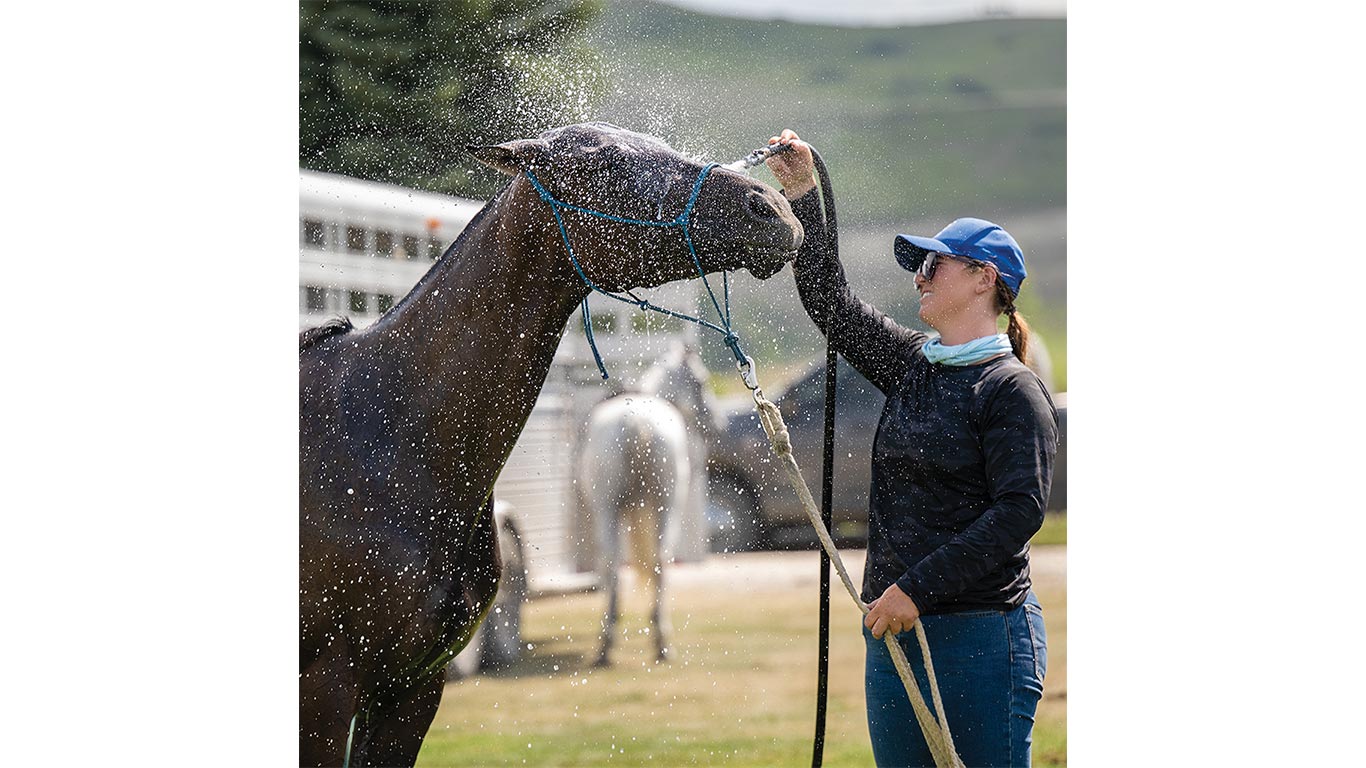
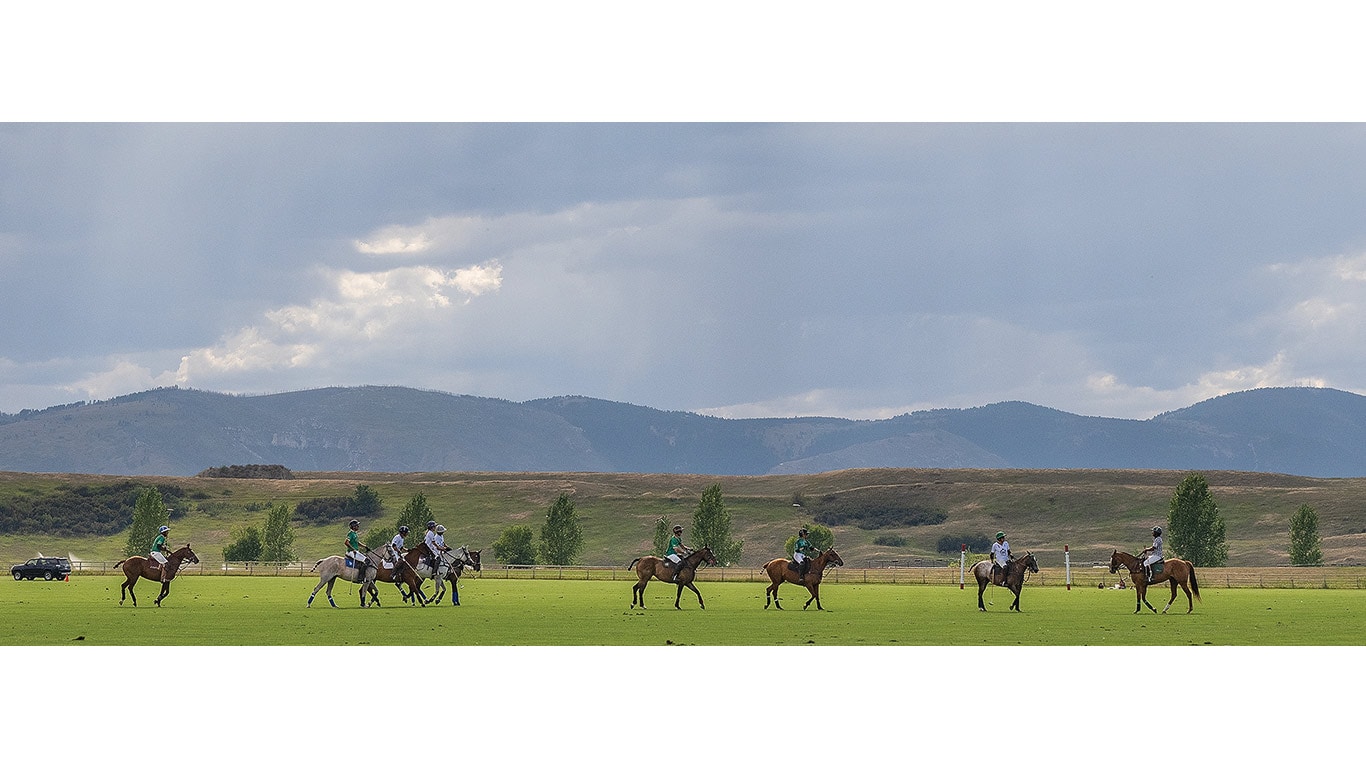
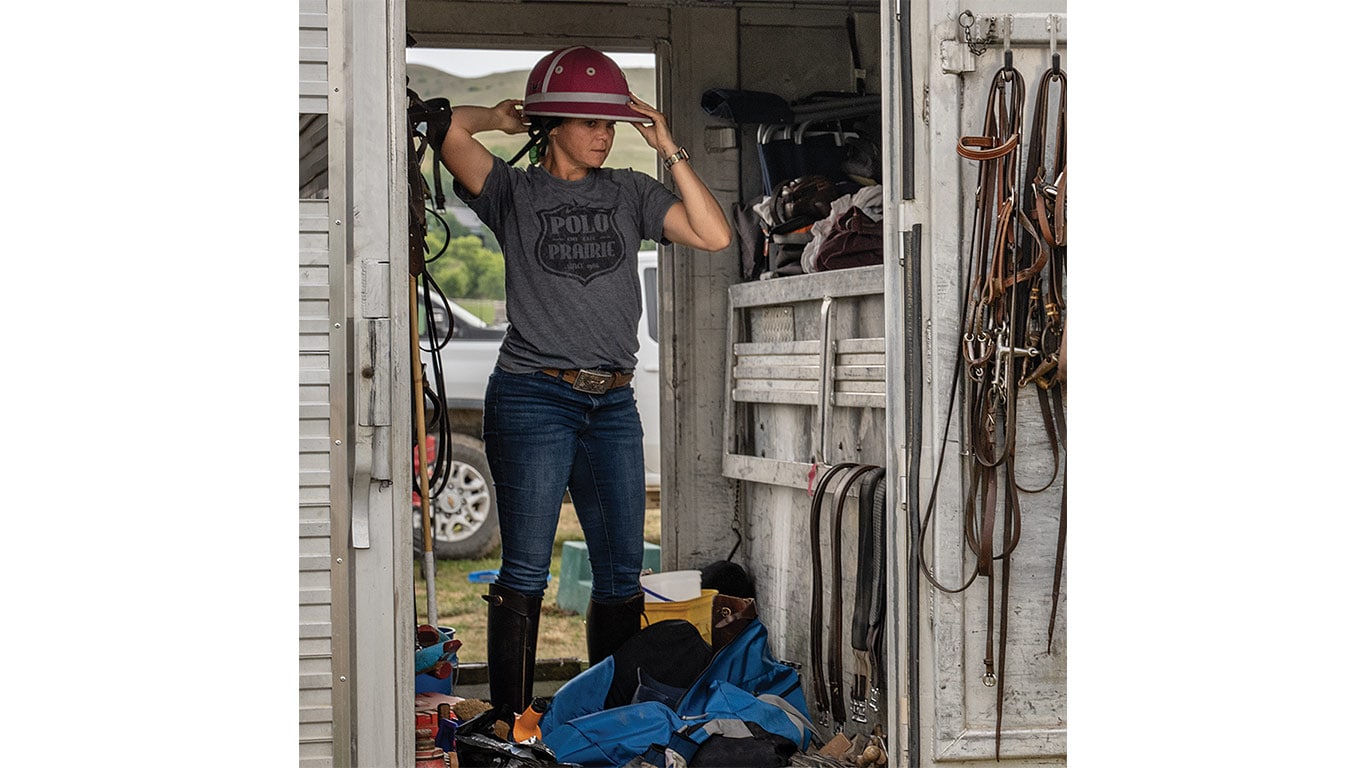
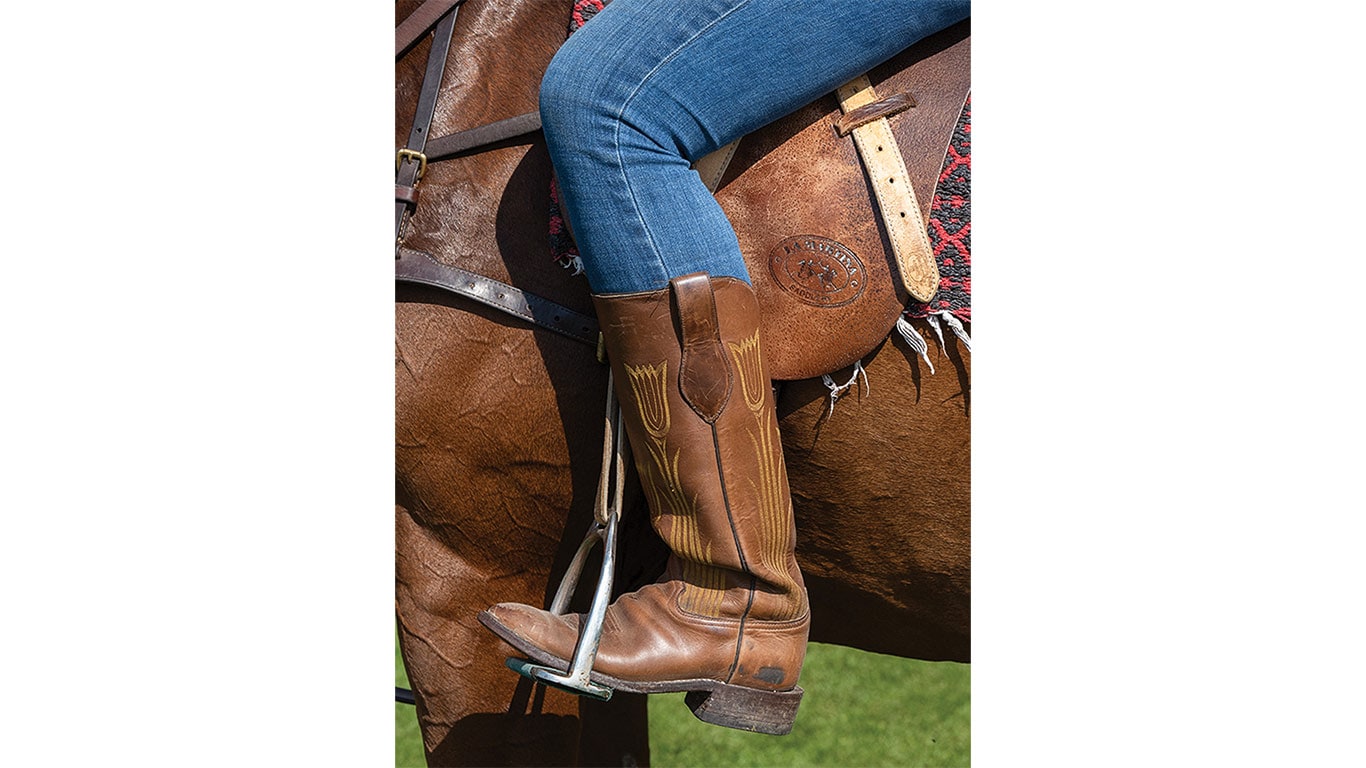
Above. Local Robert Beckman loves the excitement of the game. Katie George and parents DeeDee and Orrin Connell raise and train polo horses. Trained for 6-8 years, their horses spend as much time working cattle as playing polo before being sold. The Big Horn Mountains give good backdrop for hot summer days full of polo fun.
Chukker central. Orrin Connell raises and trains polo horses near Big Horn. His father was a veterinarian who eventually bought a ranch. Connell grew up playing polo with the small group of area enthusiasts at BHPC. He was hooked, going on to play professionally and attaining the rank of a 3-goal player. Player rankings range from -2 to 10-goal.
Connell met his wife DeeDee playing polo. Their daughter, Katie George, trains horses and plays polo with the family when she's not working her day job.
The family have been raising and training horses on their cow/calf ranch for more than 30 years. Mounts that started riding calving pens have gone on to perform on the most prestigious world polo stages, including the U.S. Open.
For Connell, the sport is good horses, family, and community.
"So many horse events are one-person, one-horse competitions," he says. In polo, there are teams and something that can be shared with family and friends.
That's the magic of the BHPC. It's not aggressively competitive. Practice is held three days per week with players being randomly mixed onto teams for periods of play known as chukkers.
The teams are also randomly assigned for Friday Night Lights and Sunday matches sponsored by local businesses, breeders, or ranches. Prizes range from homemade jams to insulated mugs.
Across the fence is Flying H Polo. A summer club for high-goal polo, the facility attracts top players and exciting fast-paced matches.
The clubs don't compete, but rather work together alternating schedules. Trainers will develop young horses at BHPC and professional players can enjoy more casual play with their families.
Connell notes while most club polo is friendly, there is one tournament a year where the 68-year-old and all other riders leave it all on the field. Don King Days is the final tournament of the season.
Professional players go on to play in Florida, Texas, or Argentina the rest of the year, Connell says. But for his family and horses, Don King is the grand finale.
"If I don't win, I have 9 months to think about all the mistakes I made in the game, so I play a little harder," he says with a grin. ‡
More articles related to:
Read More of The Furrow
AGRICULTURE, LIVESTOCK/POULTRY
Rooted in Food, Grounded in Family
It's family first at Cottage Pastures.
AGRICULTURE, SPECIALTY/NICHE
Art of Neighboring
Connections and consideration bridge gap with non-farm neighbors.