 A John Deere Publication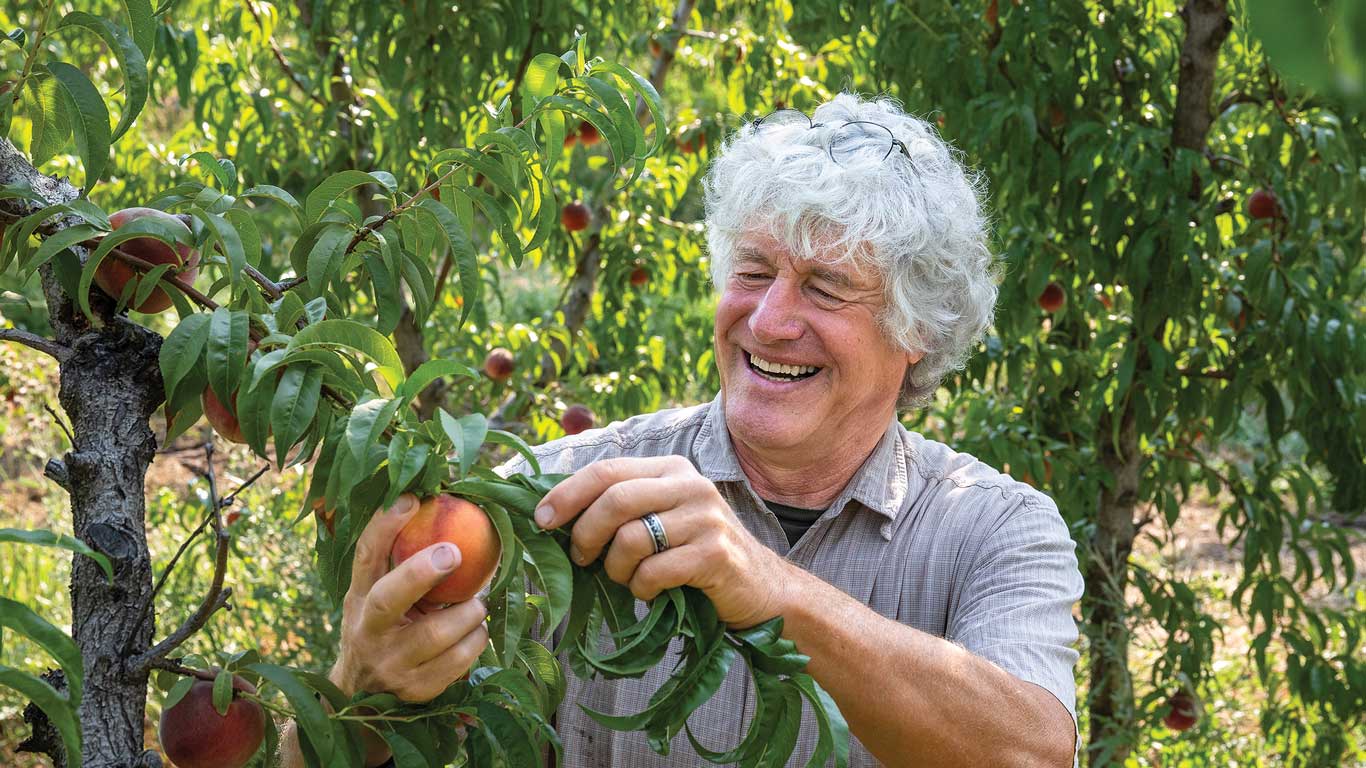
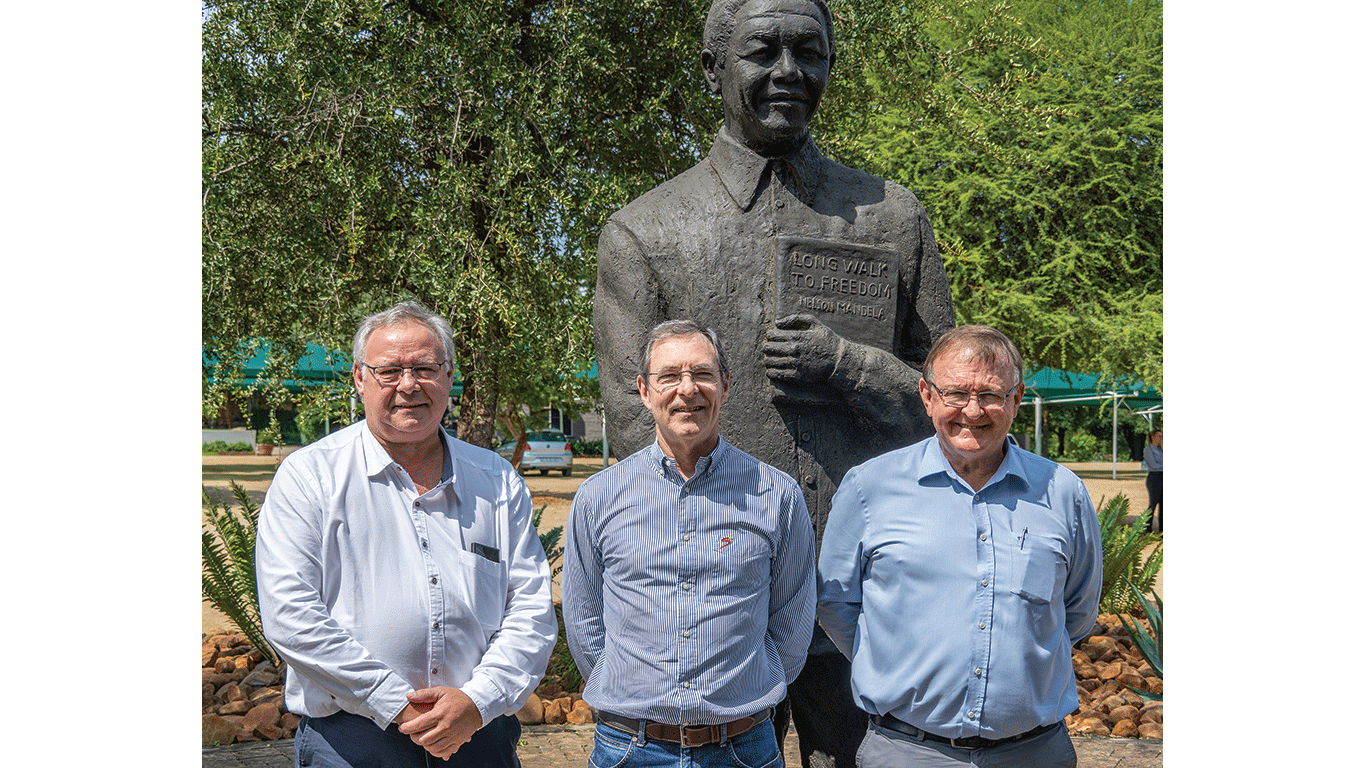
While he's spent years perfecting his systems, Steve Ela is ready to tackle his next farm challenge—retirement.
Agriculture, Education April 01, 2026
Peachy Perfection
Organic production keeps centennial orchard profitable.
Story and Photos by Martha Mintz
For an orchard to survive, and maybe thrive, in Colorado it requires owners like Steve Ela to think in terms of systems.
System may be his favorite word. He uses it frequently as he outlines how organic production, irrigation strategies, pest management, marketing, retirement plans, and more all intertwine.
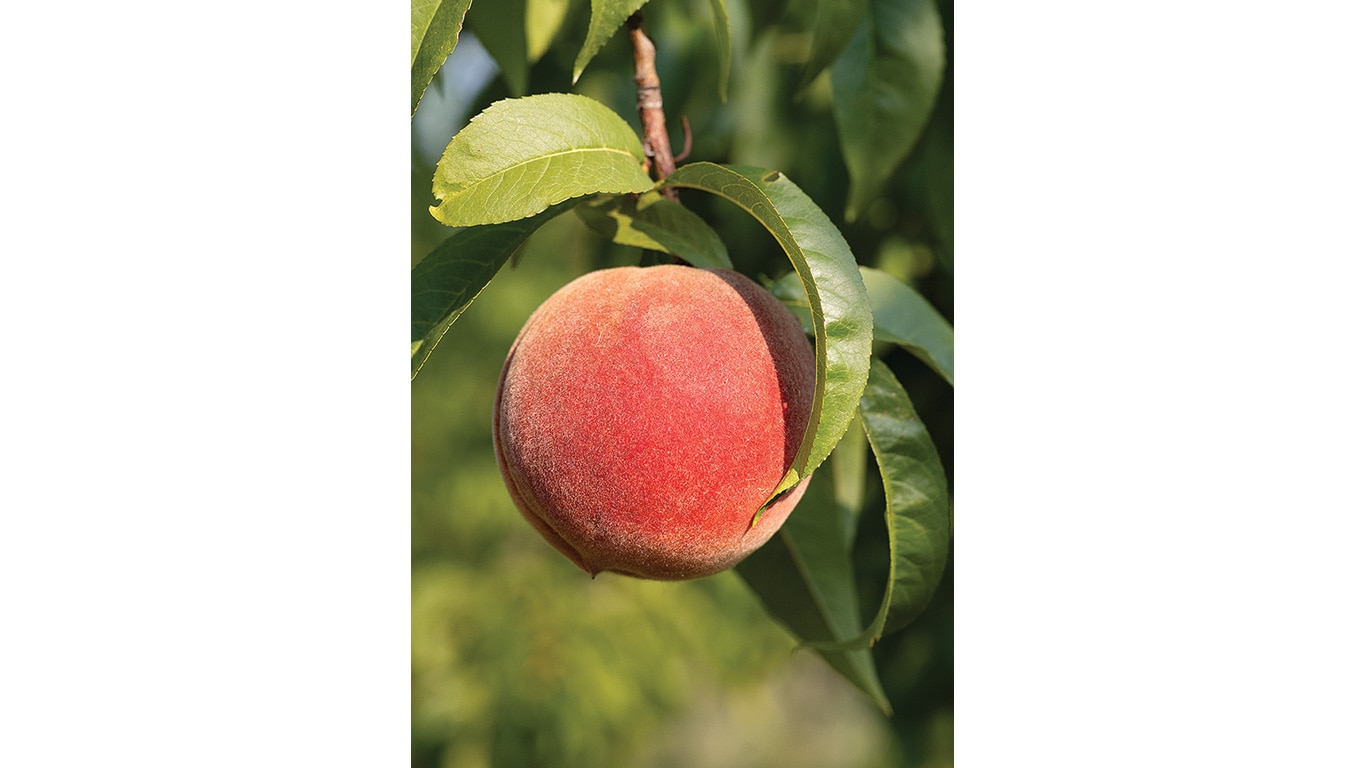
Ela is the fourth generation to raise fruit on Colorado's Western slope. They grow peaches and apples as primary crops, along with pears, plums, sweet cherries, and heirloom tomatoes.
In 2004, the 98-acre farm near Hotchkiss was certified 100% organic. As with many of his systems, the path to organic was as long and winding as the mountain roads he travels to market his fruit each weekend.
"Spraying for worms caused major flares of aphids and mites, which are among the hardest orchard pests to control," Ela says. His mom and uncle were at the helm at the time. They started developing systems to reduce the amount of spraying they did.
After a while, they realized they'd stumbled sideways into organic production.
"We were at a point where all we had to get rid of was glyphosate to meet the requirements and then we could get a price premium. It was an economic choice as much as a management choice," he says.
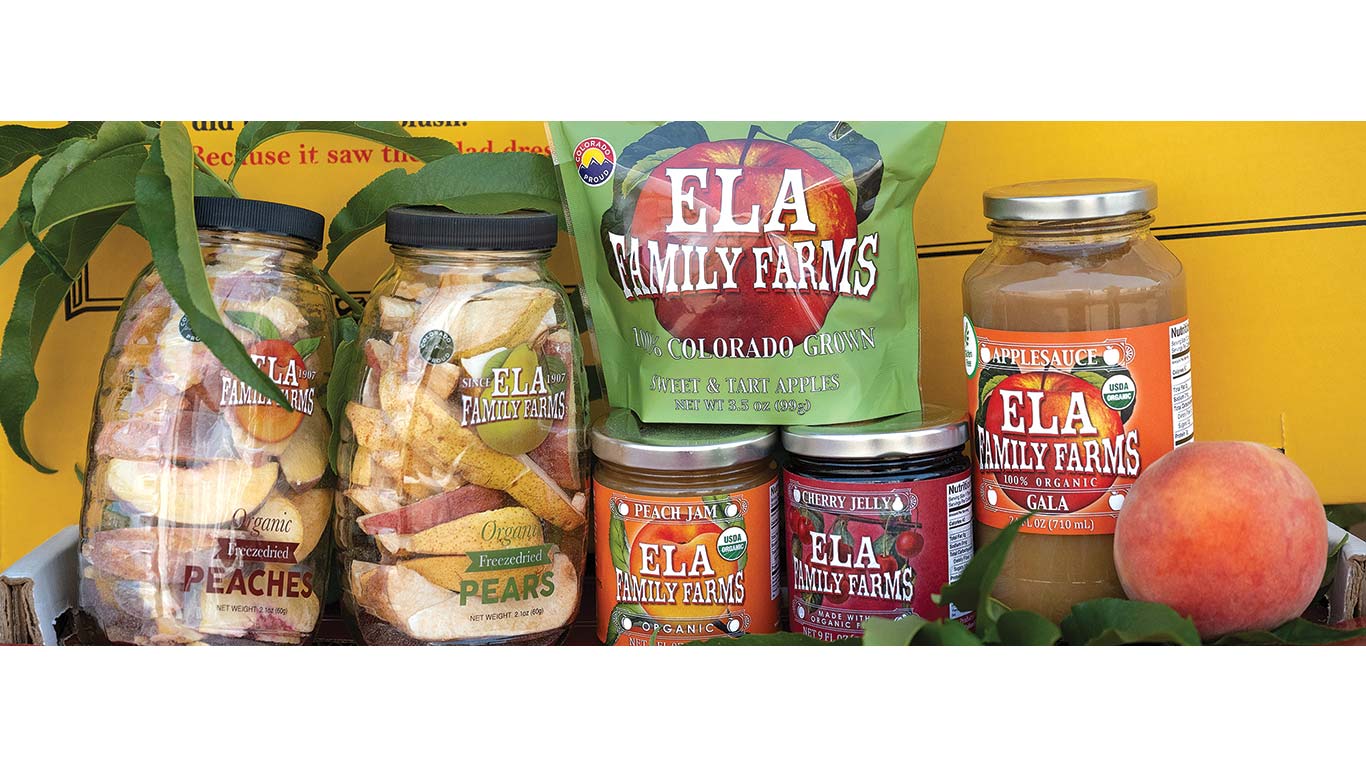
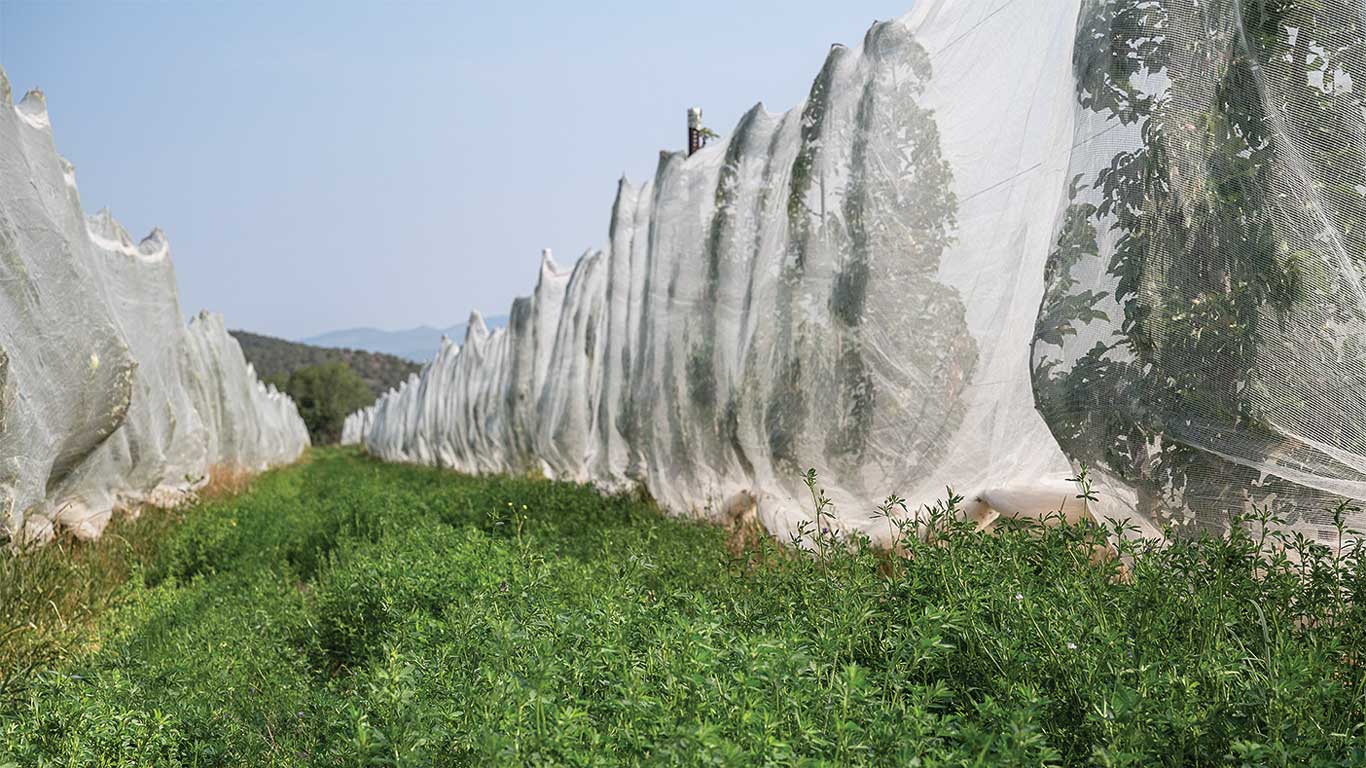
Above. Every ounce of profit is extracted from the zero-waste system. Cover crops and netting open access to premium organic markets. Turning minorly defective fruit into value-added products provides 10-15% of total income.
Ela's family had long used cover crops in their orchards, but Ela started managing them more intensely for greater benefit. The cover crops serve as pest and weed control and build soils.
"We have 175 feet of soil beneath us, but the functional layer of soil is only 8-12 inches. The subsoil is clay," he says.
Mature tree roots will hit that layer and go sideways. Alfalfa cover crops will tap deep into the soil drawing nutrients from where the trees won't go. The legume provides nitrogen and built soil organic matter to 5.5%.
"This is Colorado, not Iowa. Our background soil organic matter is 1.8%," he says.
Covers also work as a trap crop. An entomologist was horrified when a single sweep with his net yielded 300 tarnished plant bugs—a trigger species that let you know it's time to spray.
"He was shocked to learn we didn't have any damage. The bugs were staying in our diverse cover crops," he says.
Alternate middle mowing helps herd pests. They mow one middle and one alleyway, wait a couple weeks, then mow the other.
"The pests can move to the next row and move back and forth as we mow so they just don't move to the crop," he says. They also always want a flowering species to keep beneficial insects going.
Other pest management strategies include applications of sulfur and oils to suppress populations while predator numbers increase. They disrupt peach tree borer mating with pheromones, and use netting to hold off other pests. The netting also provides some shading to offset heat stress and slight hail protection.
Marketing is another critical piece. The small orchard has to extract every ounce of profit. When they went organic, this meant exiting the commodity market and getting back into farmers' markets. They sell 100% of their fruit direct to consumers in the Denver area, which means Ela driving a semi of produce 700 miles round trip each weekend for a 3-month season.
They vertically integrated.
"We grow it, we pack it, we market it, and we have our own commercial kitchen," he says. Slightly damaged fruit is processed into shelf-stable products that provide off-season income.
Though he's enjoyed creating the system, Ela is ready to turn it over to a new steward. Retirement is his next system to master. ‡
More articles related to:
Read More of The Furrow
RURAL LIVING
Folk Forecasting
Old wives' tales guide farmers through the seasons.