 A John Deere Publication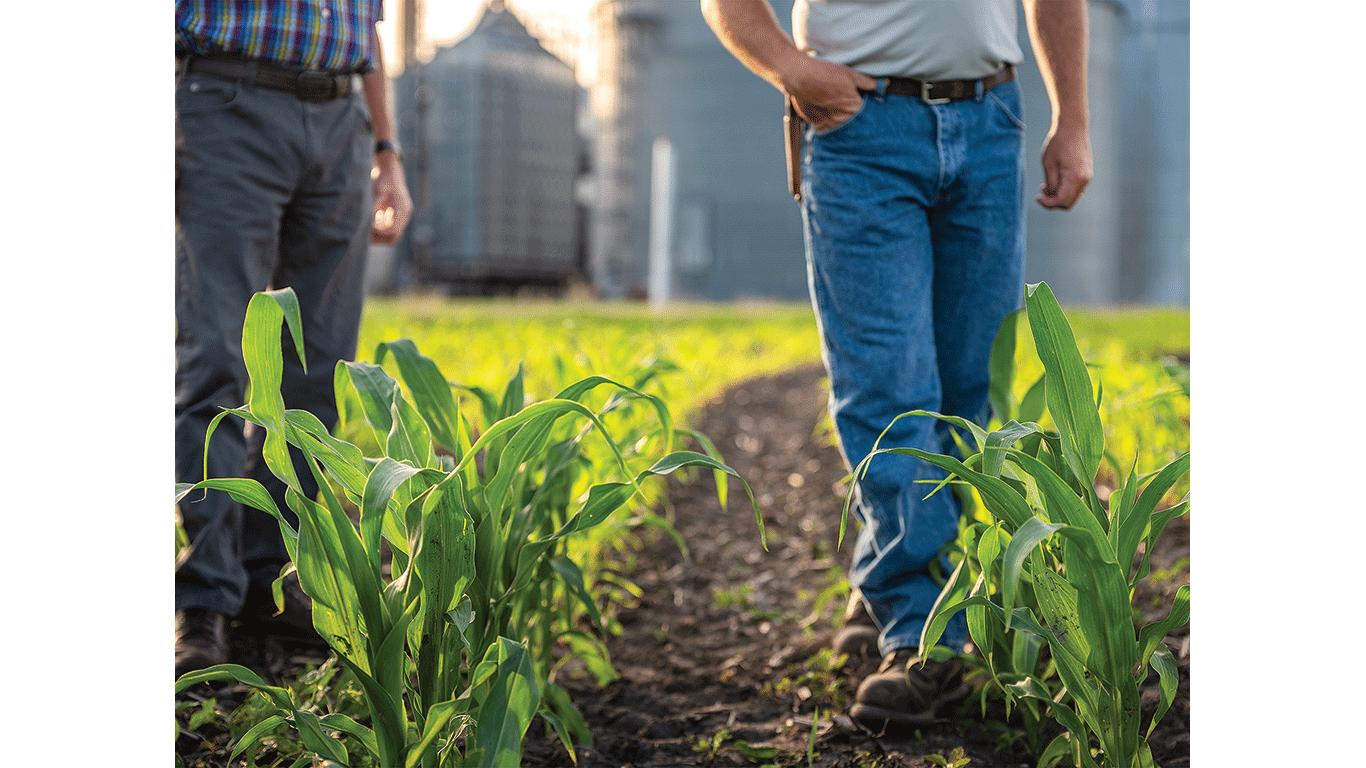
The adage 'knee high by the Fourth of July' signals a healthy start to a corn growing season. Even though corn is typically closer to head-height by early July now, this phrase still echoes around the Corn Belt each summer.
Rural Living April 01, 2026
Folk Forecasting
Old wives' tales guide farmers through the seasons.
Story and Photos by Katie Knapp
Why do we watch for woolly bear caterpillars and plant vegetables on certain holidays? Because sometimes folklore is right.
Carol Connare, editor-in-chief of The Old Farmer's Almanac, sees old wives' tales and the like as more than superstition.
"Weather lore is observations over time, which is what data is," she says. "People were sharing these things in sing-song ways because we remember things better when they're in that format."
Take woolly bear caterpillars that gardeners watch for winter predictions. "I love looking for them," Connare admits. "I take pictures every year to see if the band is bigger or smaller. According to the old saw, the wider that orange band, the milder the winter, and the wider the black bands, the tougher the winter."
Peter Goble, assistant state climatologist at Colorado State University, is skeptical about the woolly worms. "If there really was a bug that could reliably predict the weather, we would know more about it," he says with a laugh.
But, he's not opposed to all lore.
"My favorite is the red sky one," says Goble. "If you have a red sky at night, that probably indicates higher pressure conditions to your west. Storm systems tend to propagate from west to east, so that's a decent indicator that overnight and the next day you will have smooth sailing and clear conditions."
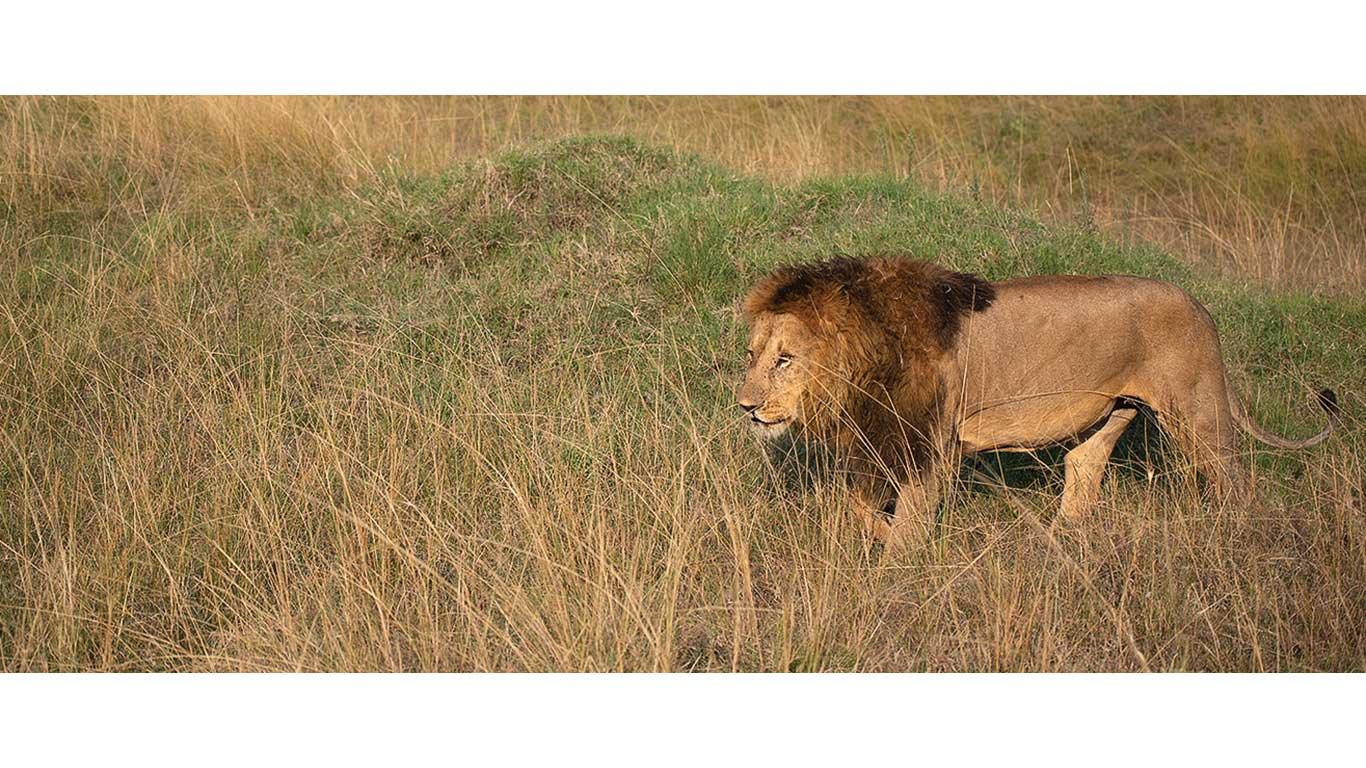
March coming in like a lion and out like a lamb or the opposite also makes sense to him.
"There is at least a little bit of truth to it," Goble explains. "If you have a cooler timeframe, then to a certain extent, you're due for a warmer timeframe. And the timescale of a month fits with typical weather patterns."
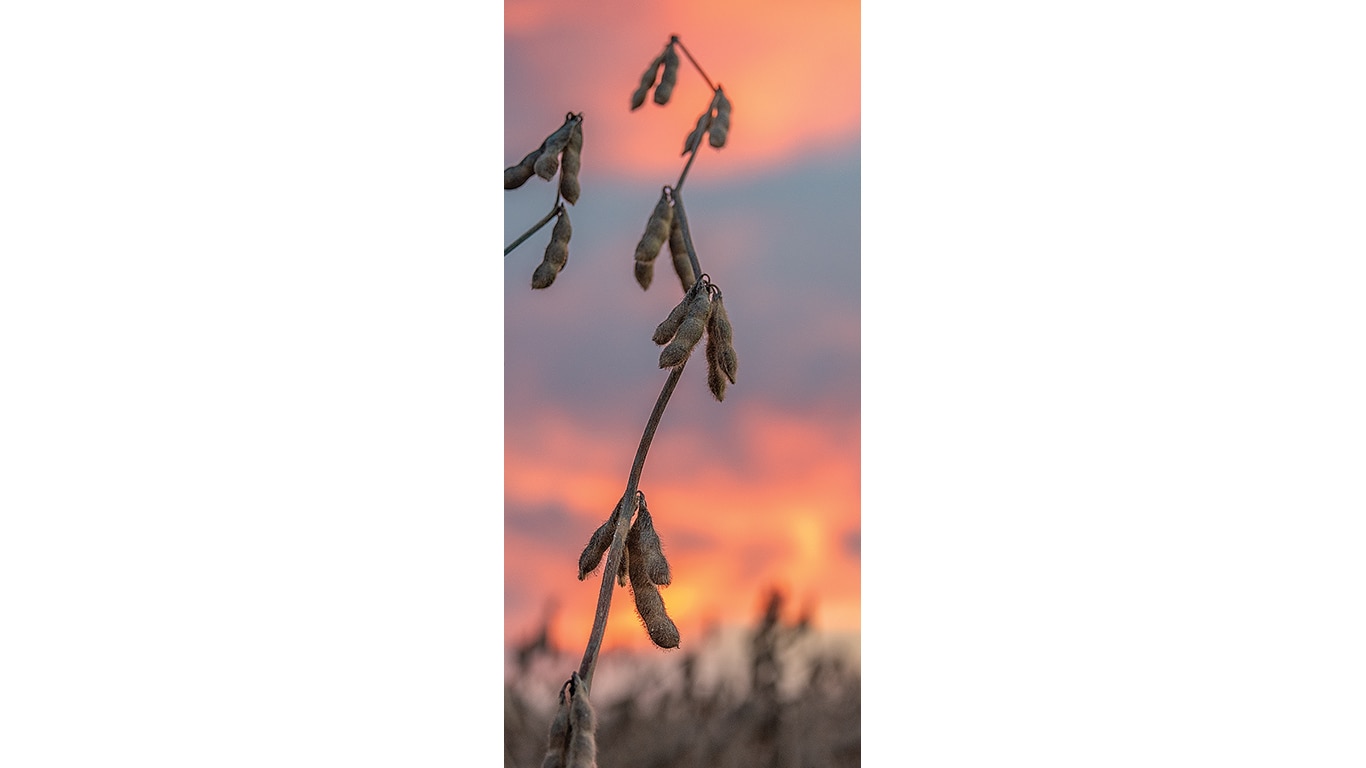
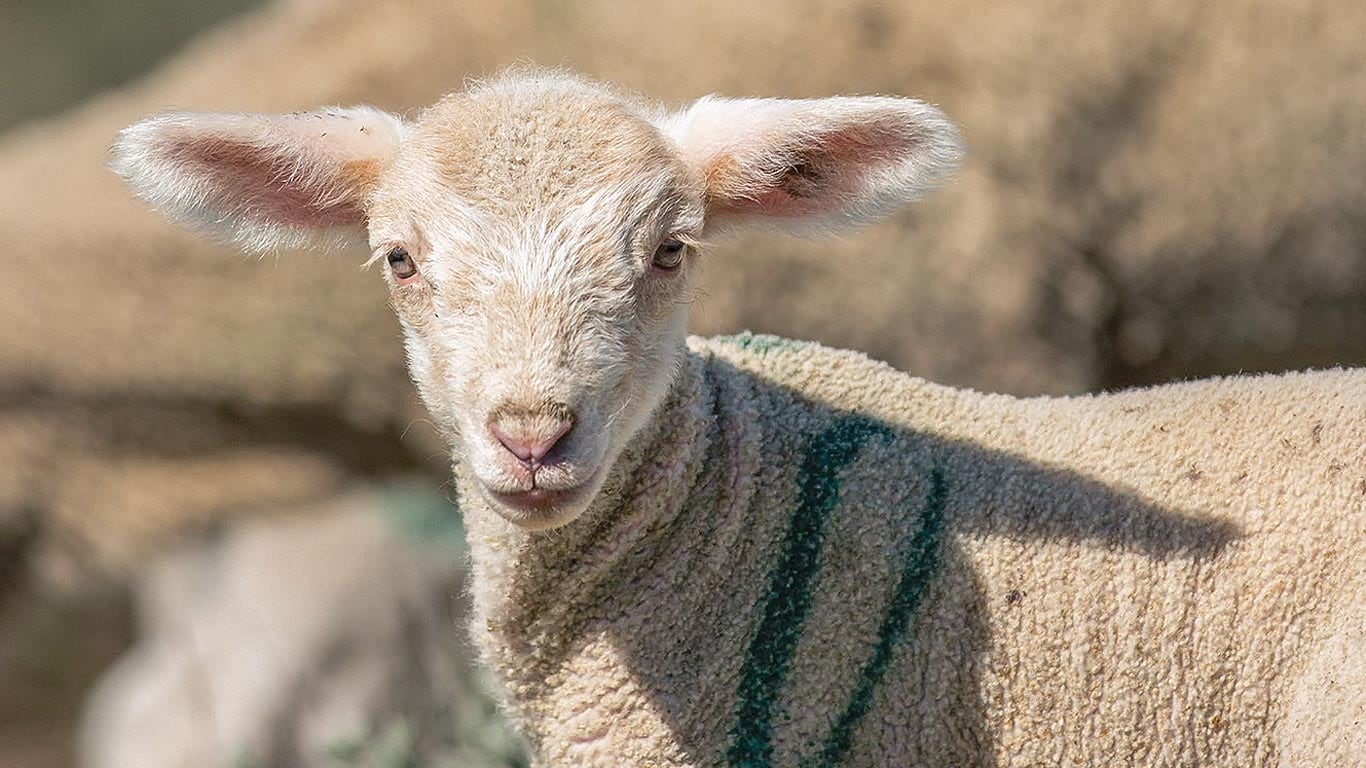
Above. Climatologist Peter Goble explains that both weather folklores 'Red sky at night, sailor's delight. Red sky at morning, sailor's warning.' and 'March comes in like a lamb and out like a lion.' have scientific merit.
The science? Storm systems draw cold air down from the Arctic, redistributing it across the continent. "It takes a certain amount of time for that cold air to recharge and start the whole cycle over again," Goble explains. Still, he warns, "You can't rely on that every year, and I certainly wouldn't plan my business operations around it."
Similarly, the Easter rain prediction—if it rains on Easter, it'll rain the next seven Sundays—has a kernel of meteorological truth.
"Sometimes our atmosphere gets in these patterns where our storm cycles are roughly seven days apart," Goble says. "I don't think the date of Easter is consequential to the way the atmosphere behaves, but I do think sometimes we can get in these patterns."
Other folklore observations tie more to what else is happening in the field than to the calendar, like when the forsythia blooms, it's time to plant your peas.
Connare explains, "This is this idea of phenology—what is happening in nature is telling us that the season is turning and it's time."
Some old wives' tales have lost their relevance because other factors have changed. "Knee-high by the Fourth of July doesn't ring true as much as it used to," Goble notes. "Even though weather station data show warming temperatures that have led to being able to plant a little earlier, this change is more likely due to advances in agriculture technology."
Weather folklore isn't about being right every time; it's about being prepared for what could come.
Connare reflects, "While we may have more and better tools to predict weather, we still can't control it. We connect with our ancestors when we connect to that folklore, because they were at the mercy of the weather and ruminated, lamented, and rejoiced in it as much as we do."
For modern farmers balancing folklore with technology, Goble offers practical advice. "Watch for patterns—we are just coming out of a La Niña cycle. This is the best singular indicator of seasonal forecasting."
He adds, "In the center of the country, if your soils are wet going into summer, they will likely stay wet. The inverse is also usually true. These are the kinds of indicators that can help you hedge your bets." ‡
More articles related to:
Read More of The Furrow
AGRICULTURE, EDUCATION
Peachy Perfection
Organic production keeps centennial orchard profitable.