 A John Deere Publication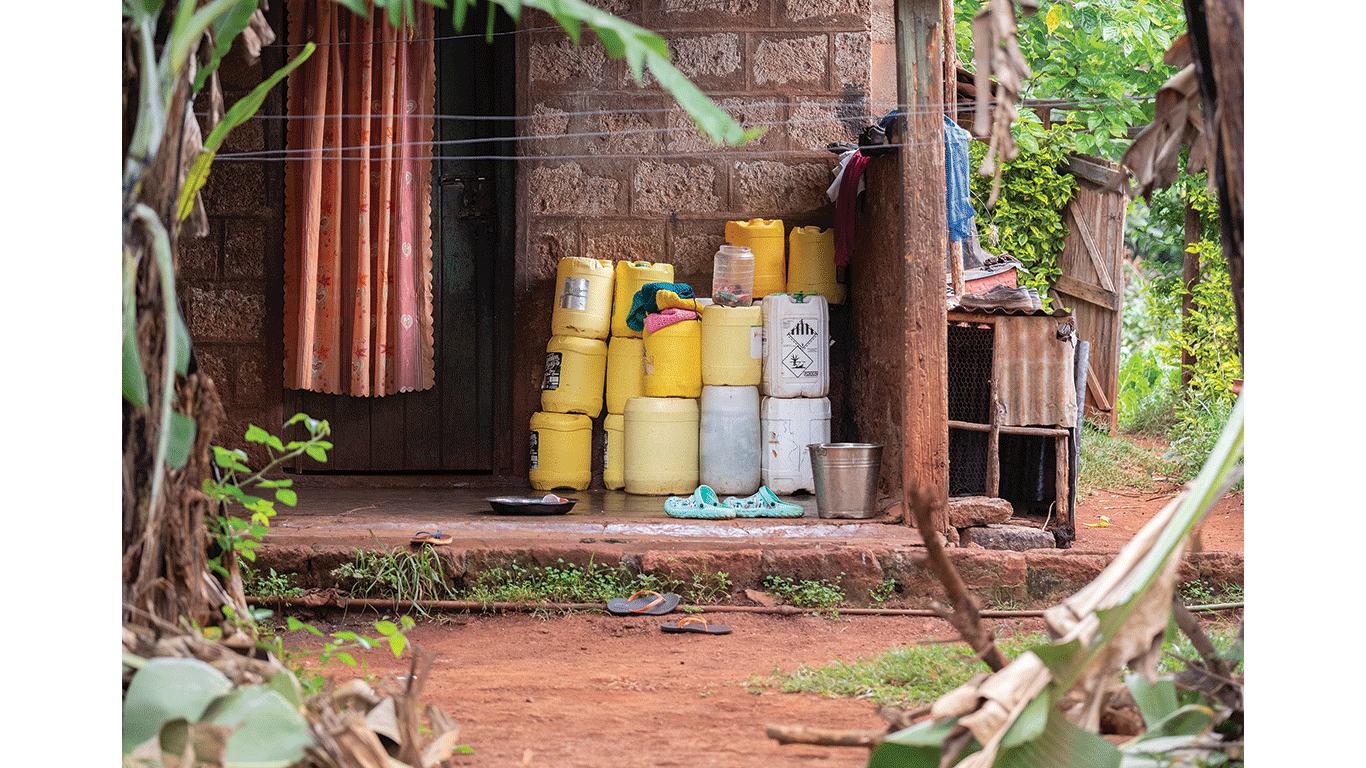
Jugs pile up outside a farmworker's house in Kenya.
Agriculture, Education April 01, 2026
Every Farm Has One
Is it time to clean yours up?
Story and Photos by Katie Knapp
The dreaded junk pile. That corner of the machine shed where empty containers and other scraps have accumulated because figuring out what to do with them is a problem easier left for another day.
Multiply that uncertainty across millions of farms worldwide, and you start to understand why pesticide container management has become a global priority—and why programs are emerging from Kenya to Kansas to address it.
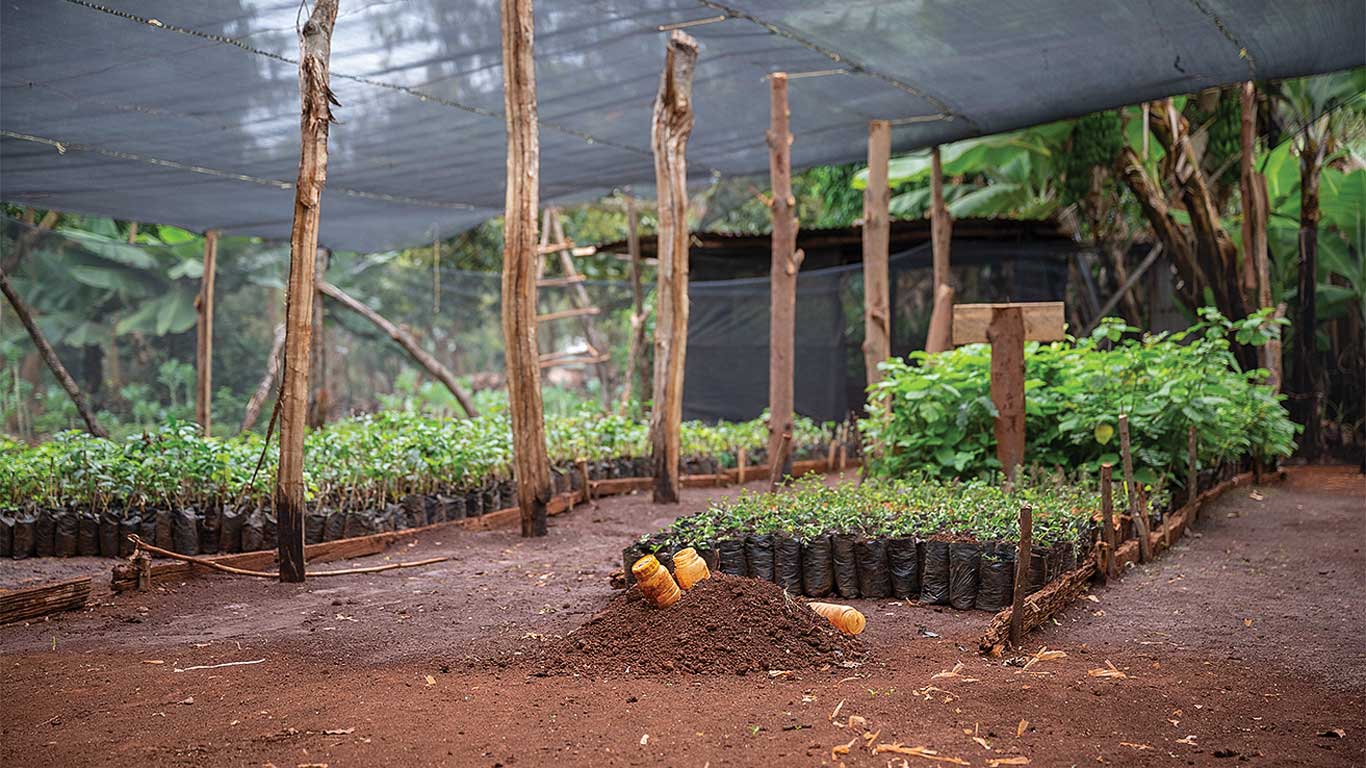
On a 12-acre farm outside Naivasha, Kenya, Anastacia Ngarama knows the stakes. A retired public servant, she started farming in 2013 after her husband bought the land. They drilled a borehole, installed electricity, and built an operation that now exports produce to European markets.
Ngarama follows integrated pest management practices—onions and rosemary planted along borders to repel insects, maize grown at the edges so birds feed there instead of on her cash crops. When pesticides are necessary, she applies products carefully, reading labels and following the rules.
"I attended a workshop about safe farming, producing safe crops for good health," Ngarama says. "I was really interested, because I'm a person who likes to keep helping."
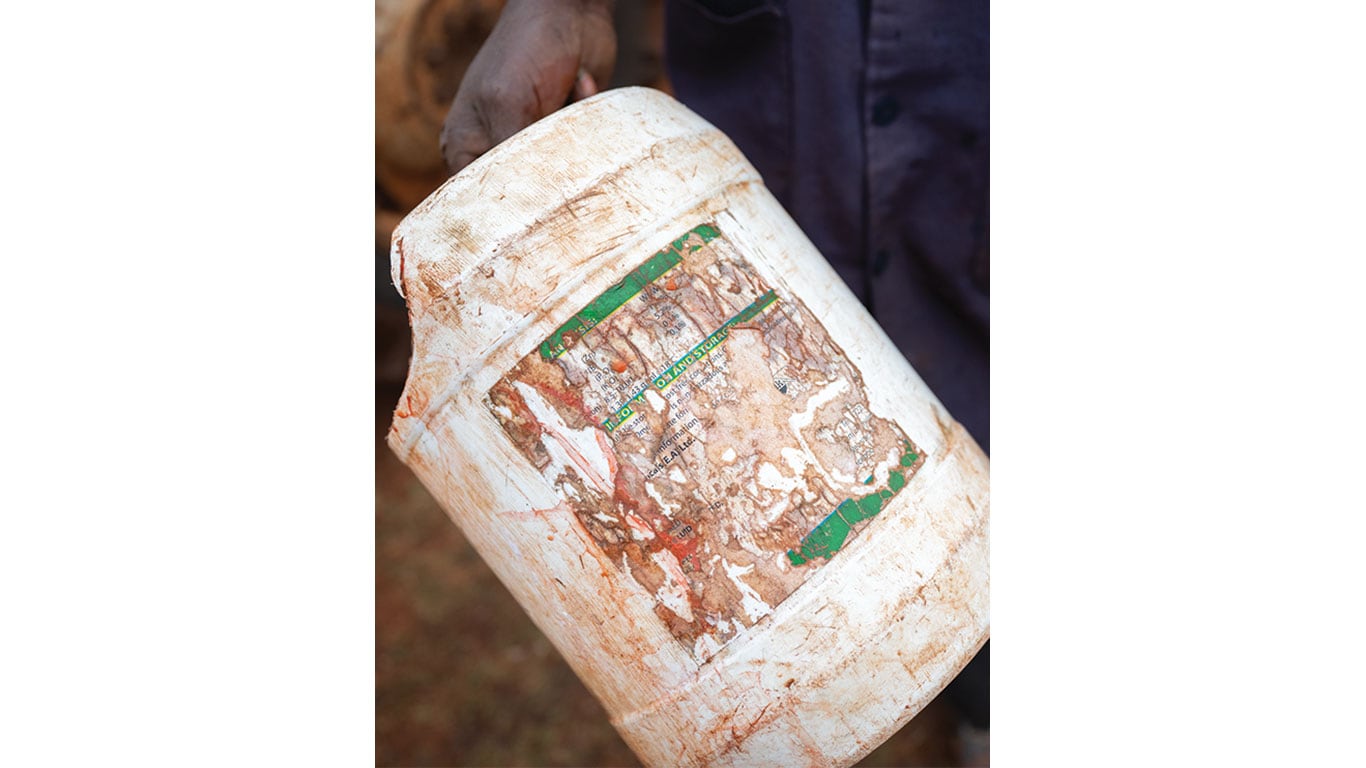
Without proper training, empty containers often get a second life that creates real danger. Ngarama's spray service provider reports finding containers repurposed for storing any number of things including drinking water.
"Some farmers are using the containers for soil, salt, sugar, and even milk," says Samuel Njoroge, a spray service provider trained through CropLife® Kenya's program.

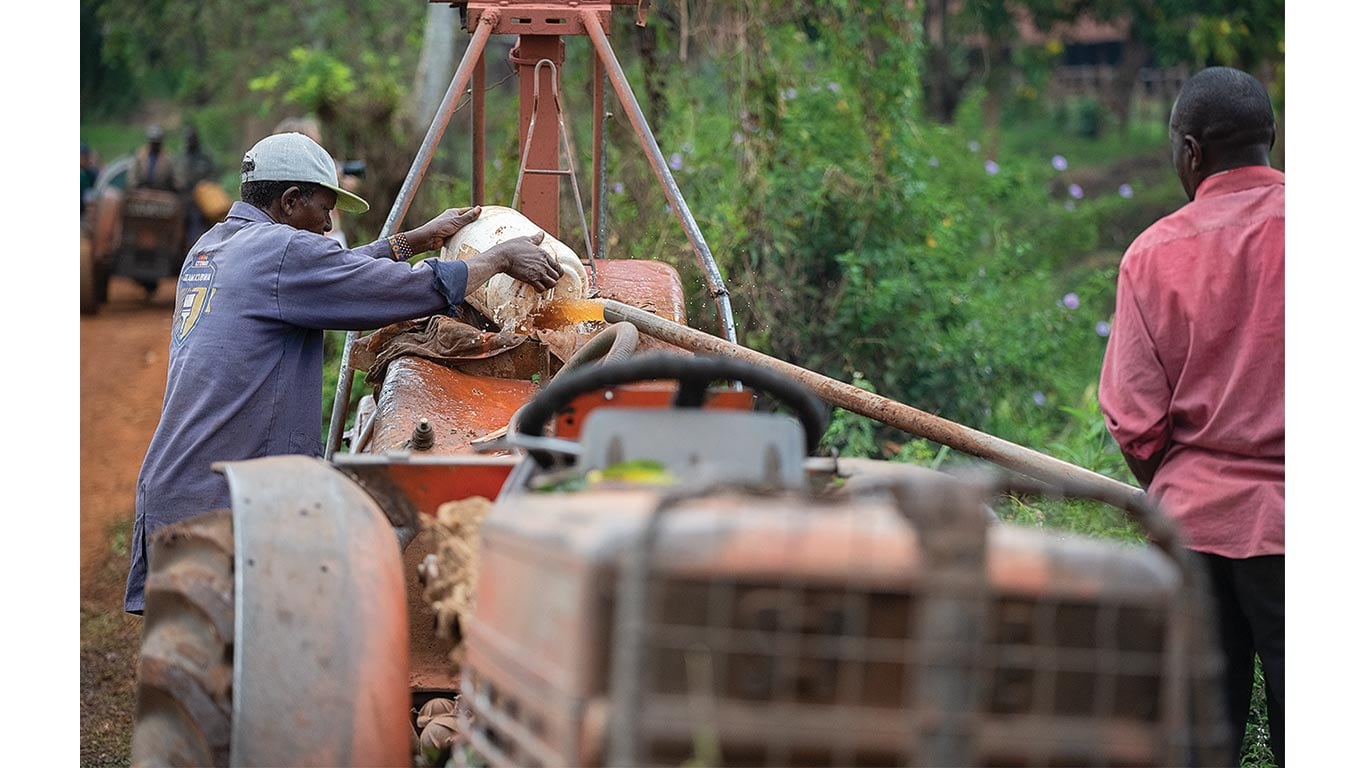
Above. Samuel Njoroge, a spray service provider in Kenya, works with farmers to improve pesticide handling practices.
His work now includes teaching other farmers the protocols that he learned. "We are training the farmers, and we can see a lot of cooperation."
The training includes proper pesticide handling from application to clean-up. Triple rinsing—filling the empty container with about 10 percent fresh water, replacing the cap, shaking, then pouring that rinse into the spray tank, repeated three times—removes more than 99% of pesticide residue. That single step transforms a dangerous problem into recyclable plastic.
Spray service providers like Njoroge are working with CropLife Kenya to build collection networks.
"Once it's triple rinsed in this manner, it is not considered to be hazardous material," says Rod Bell with CropLife South Africa, where a more established program offers a glimpse of what's possible.
South Africa puts about 9,600 tons of pesticide packaging on the market annually. The CropLife SA program collected roughly 75 percent of that in 2024—its first year operating under new extended producer responsibility legislation. New containers are being manufactured using up to 20% recycled content.
Here at home. The United States has had similar infrastructure even longer. The Ag Container Recycling Council, an industry-funded nonprofit, has operated since 1992. The program has collected and recycled more than 257 million pounds of triple-rinsed containers across the country.
The ACRC program is free. Farmers can return triple-rinsed containers through participating ag retailers or at designated collection events.
For old, not properly rinsed containers—those jugs lurking at the bottom of your junk pile—check if your state department of ag or local Extension office offers periodic pesticide waste collection services. ‡
More articles related to:
Read More of The Furrow
RURAL LIVING
Folk Forecasting
Old wives' tales guide farmers through the seasons.

AGRICULTURE, FARM OPERATION
Winning With Wheat
Wheat and soybeans pay off in Illinois.