 A John Deere Publication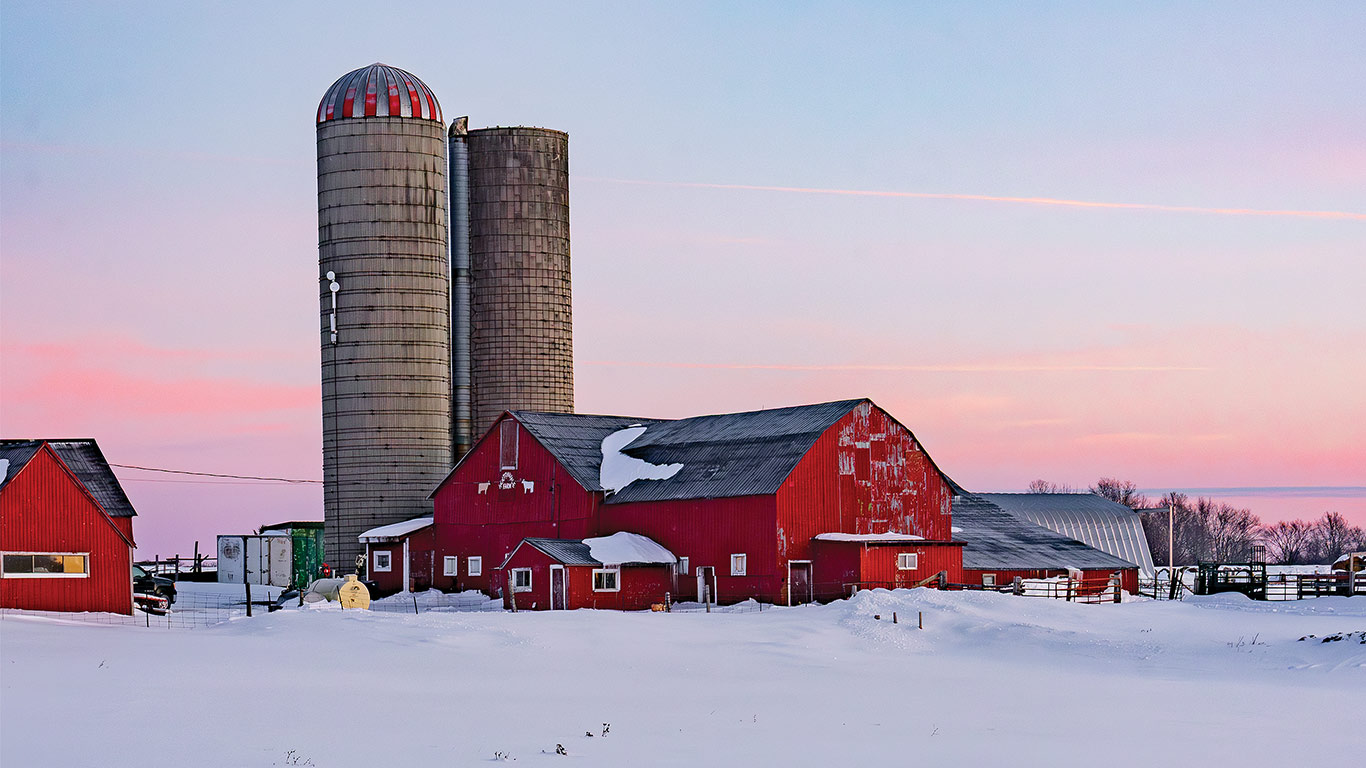
Red paint is very durable. It still looks good even as it ages and weathers.
Agriculture, Education June 01, 2026
The Old Red Barn
Why are so many barns painted red?
Story and Photos by Lorne McClinton
"Money is often tight on the farm," writes Tim May on his Facebook page, "but every once in a while we splurge on something that we really want. This year, it was a fresh coat of paint for our old barn where we house our older heifers."
Like many others across Canada and the United States, the Guelph, Ontario, dairy farmer chose to paint his historical barn red. And why wouldn't he, no farm building color scheme is more iconic, and has such a long tradition as the red barn. But how did that ever come to be the case in the first place?
"Based on the historical research, as well as looking at physical evidence, the direct answer is that red pigment is interesting, attractive, plentiful, cheap, and durable," says Professor Thomas Visser, author of "The Field Guide to New England Barns and Farm Buildings," and a professor in the University of Vermont History Department. "Historically, it has been one of the most popular pigments for buildings, especially for outbuildings because it can be produced from abundant natural materials."
Iron rich clays are dug up and heated to create iron oxide pigment. Pigments were then mixed with linseed oil from flax seed, a crop that was commonly grown in many regions for its fiber. The paint this creates is opaque, it covers well, and doesn't fade. It's very durable. Even once it starts to weather away, it still looks okay. It just becomes a little bit browner and takes on a patina.
Prior to the railroad era, barns were often built with looser vertical boards, Visser says. These had heavy, inch-thick boards that could last 200 years so they were just allowed to weather. But in the 1870s it became fashionable to have a tight barn with clapboards to cut down the wind. These were thin and needed paint to be protected.
"White was the highly fashionable color in the late 1700s and early 1800s," Visser says. "Painting a building white was sort of a way to show off a little bit and give at least an appearance of prosperity. Red was the color of the outbuildings and the working environment. It's nothing fancy, but it's durable and it works. In the 1870s and 1880s especially, using the inexpensive, durable red paint for the clapboards and using the more expensive white lead paint to highlight the details became the trend. That's how we got the classic red barn with white trim color scheme that we see on so many barns across North America today."
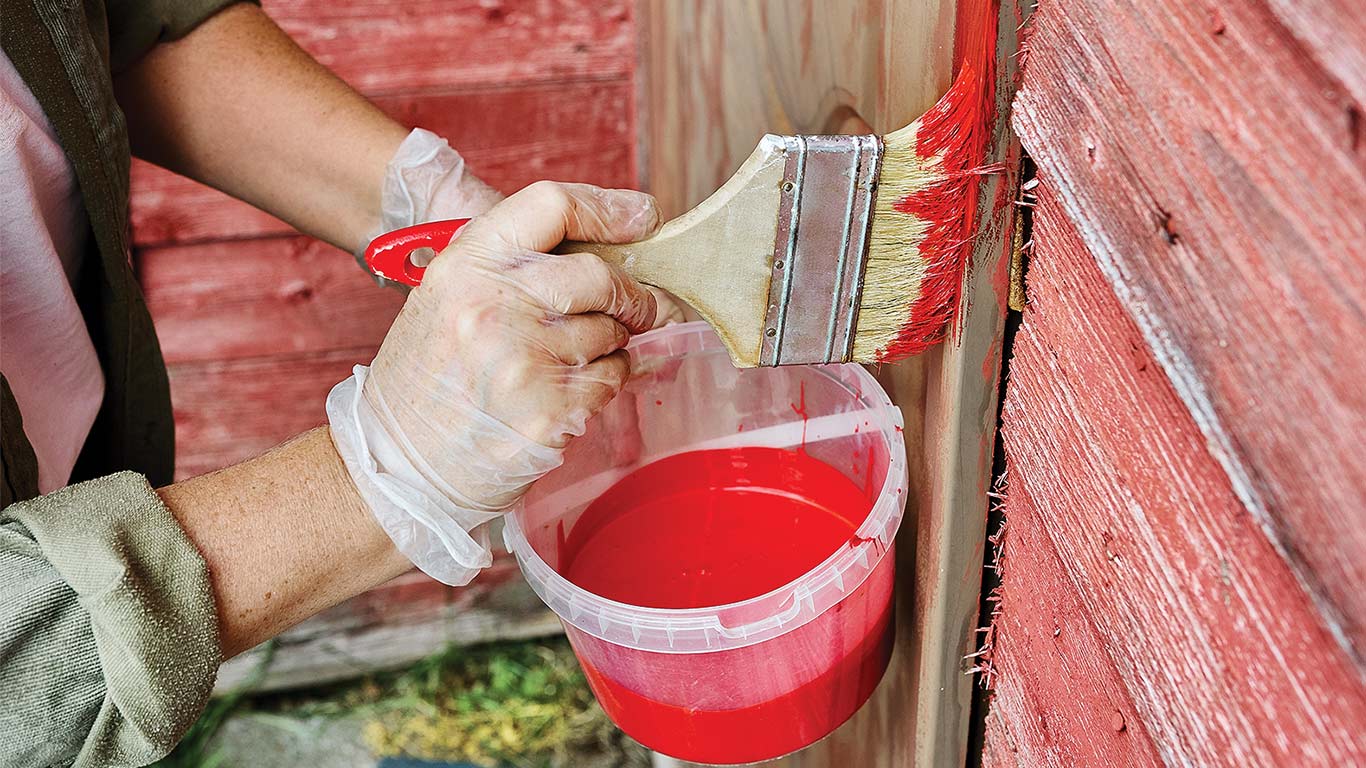
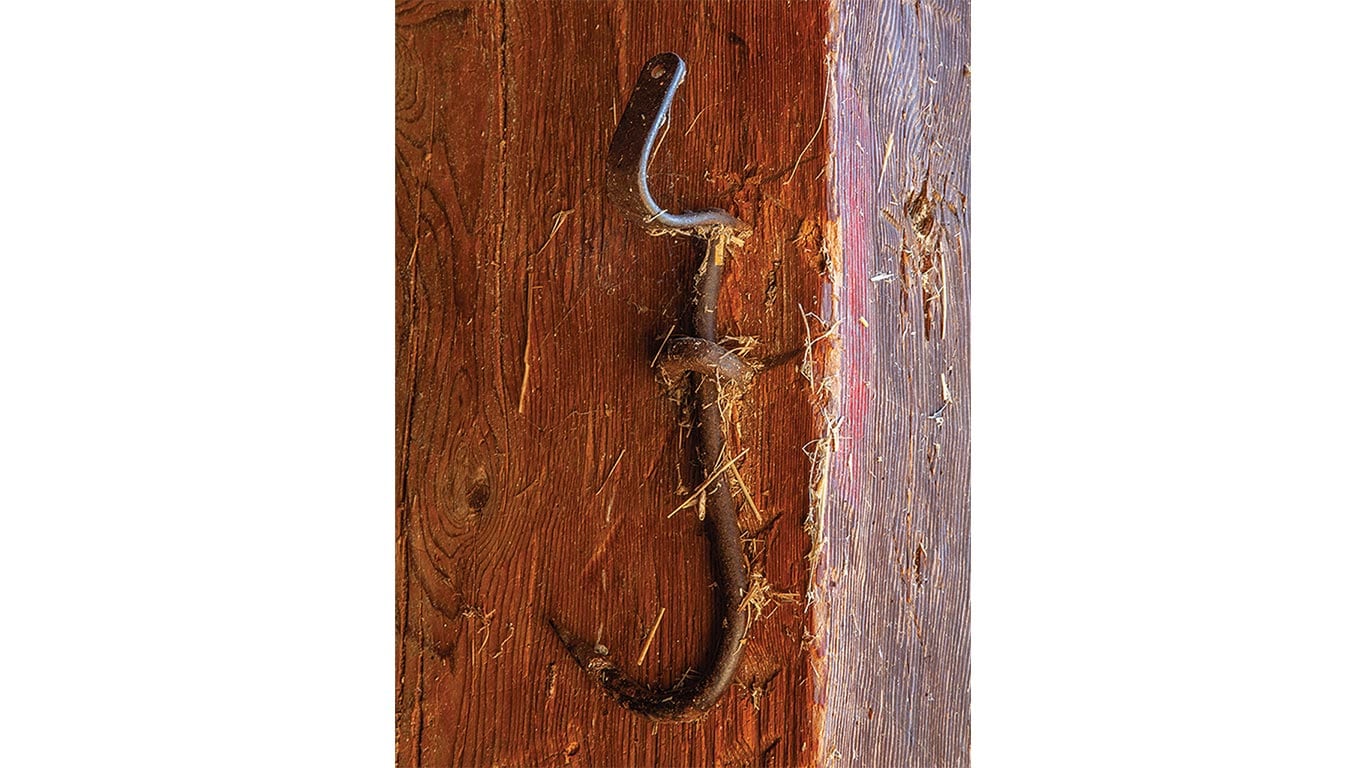
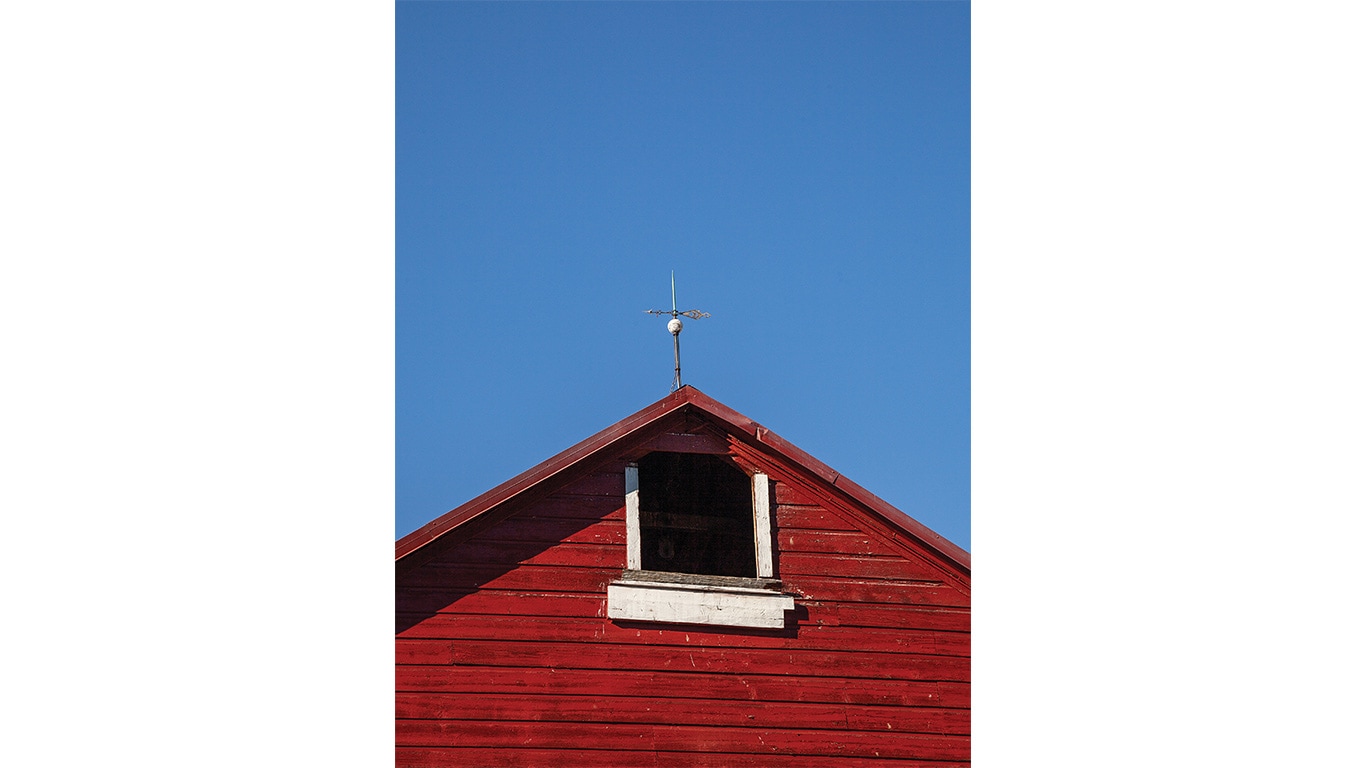
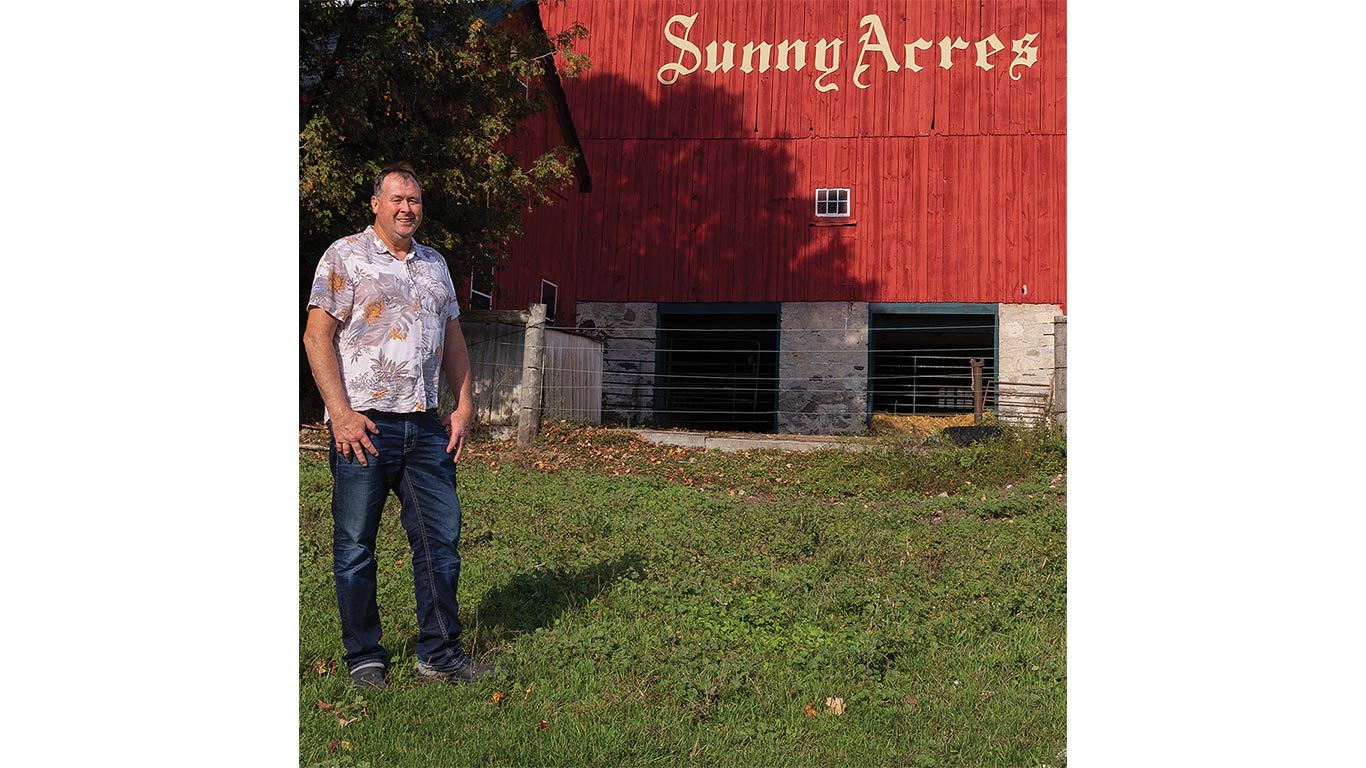
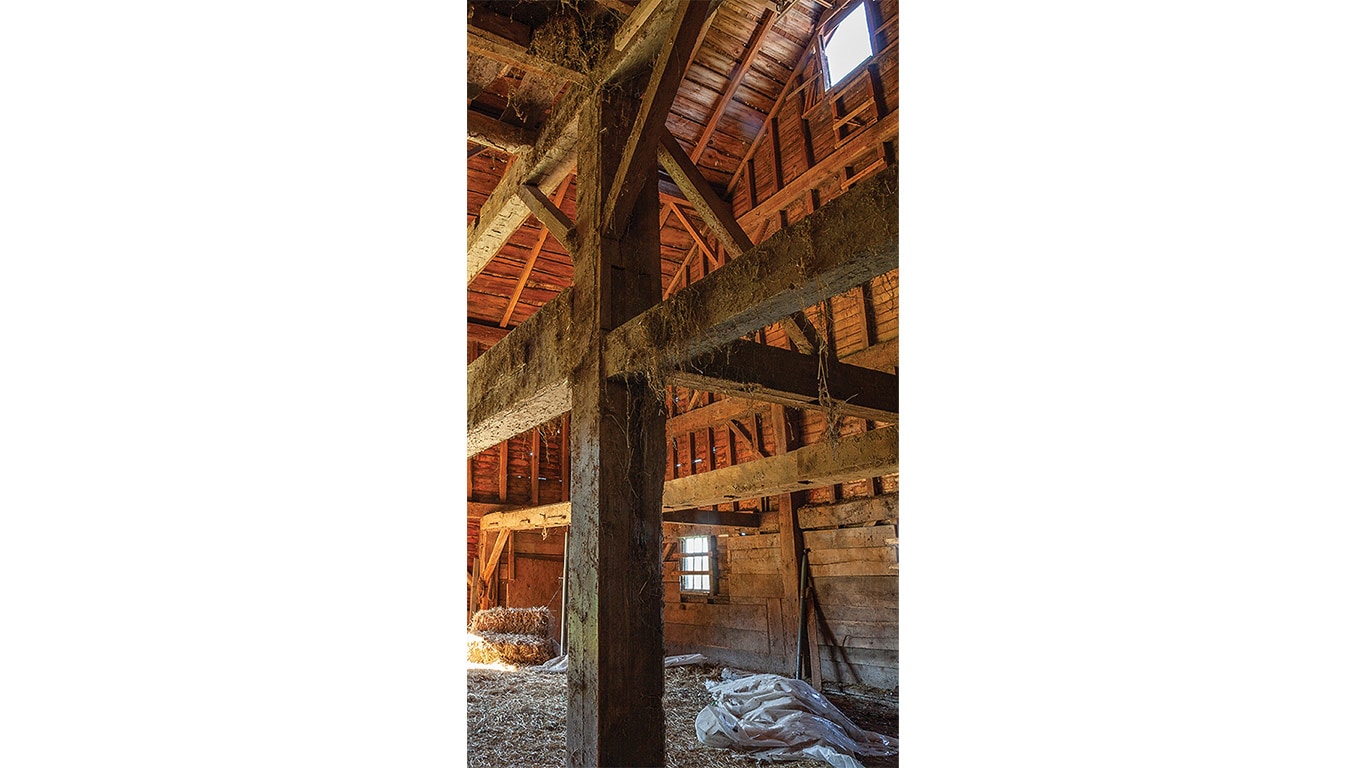
Above. Red was the durable color for working outbuildings, Visser says. Money is often tight on the farm but occasionally a bit extra can be found to give the barn a new coat of paint. White paint was the fashionable color that indicated prosperity in the early 1800s. So red barns with white trim became very popular in the 1870s. Tim May and his family take great pride in preserving their historical barns. They provide him with a link to the past.
Popular culture. Red barns became popular because it was the all-around practical choice. Over time it evolved into a tradition that's now been integrated in popular culture through everything from children's toys to food advertising.
"It [the color scheme] strikes that balance, if you will, between tradition and innovation," Visser says. "It's the tried-and-true method that's been passed down for generations and my personal research found that those sentiments resonate very strongly within the farm community."
May's two barns have a lot of history. While their exact age is unknown, going by the dates found on the beams, May believes the larger one was built around 1900. The smaller barn was built much earlier, pre-1840. They were located on land next door to the farm where May grew up. His father purchased them in the 1980s.
"My family poured our heart and soul into preserving the buildings," May says. "We received a barn preservation award for the work we did in maintaining the buildings—boards replaced, new roof, new floor, new coat of red paint, and new lettering ‘Sunny Acres' in the original old-style font. These old red barns are now part of my identity. I try to champion rural history. I think of those farmers who toiled before me when I look at the axe-hewn beams and walk its worn steps. The stories they could tell. What better backdrop could there be for my work?" ‡
More articles related to:
Read More of The Furrow
AGRICULTURE, EDUCATION
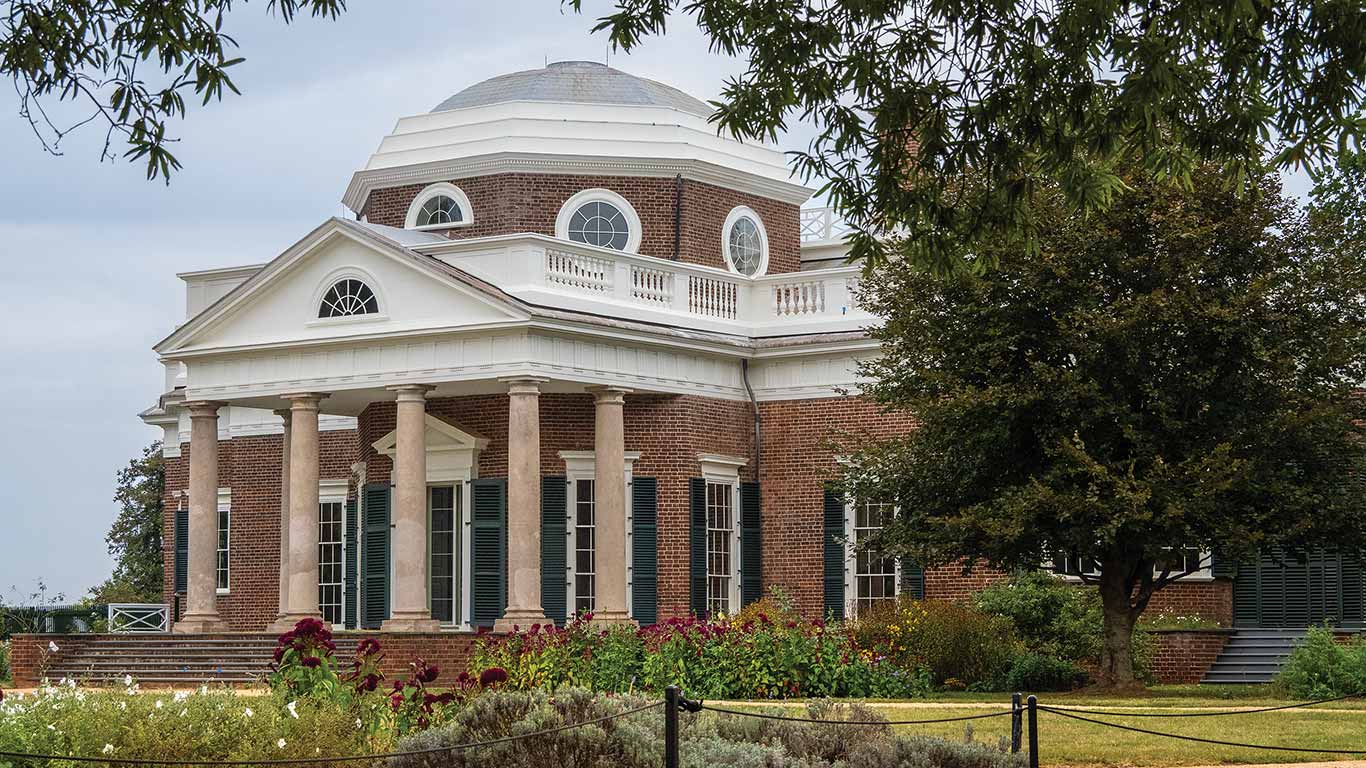
The French Connection
Thomas Jefferson forged America's agricultural links to France.
SPECIALITY/NICHE
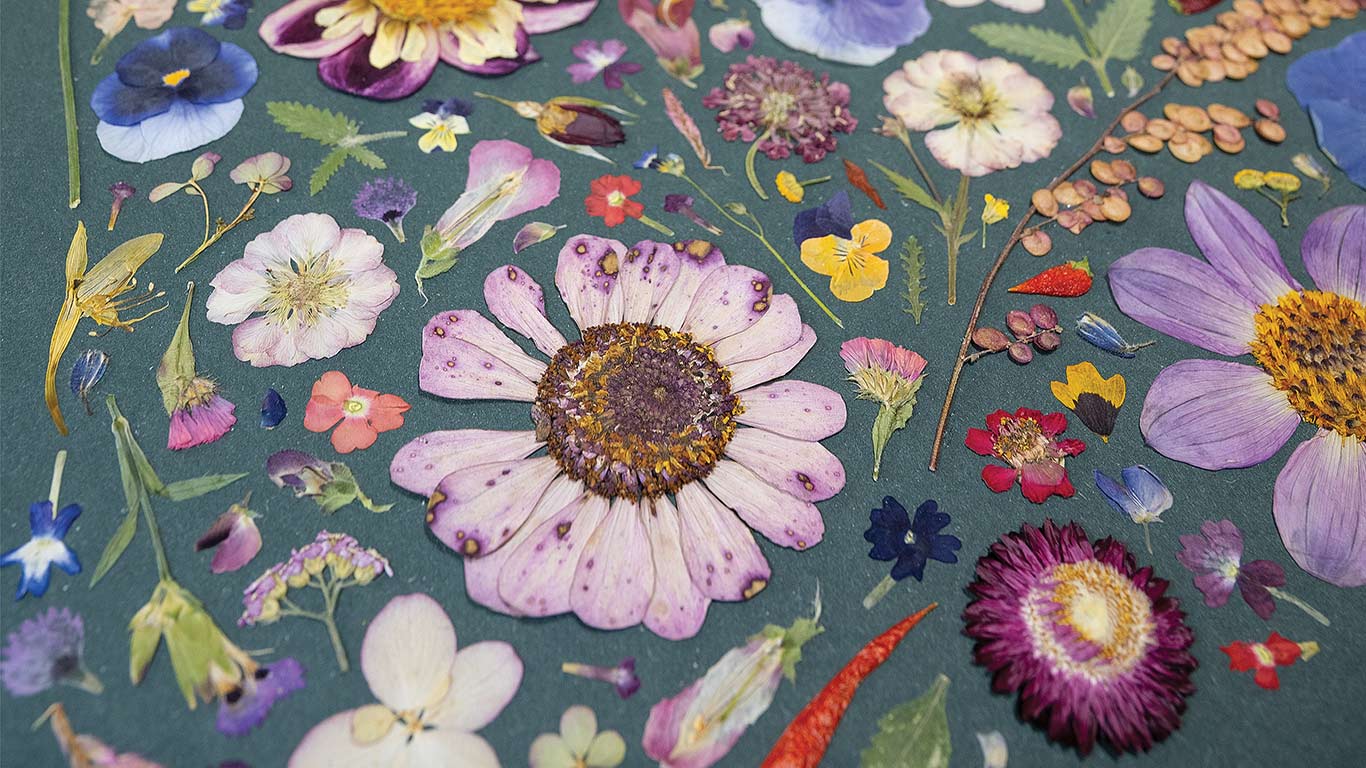
Pressed Perfection
Flower farm to art; beautiful blooms persevere.