 A John Deere Publication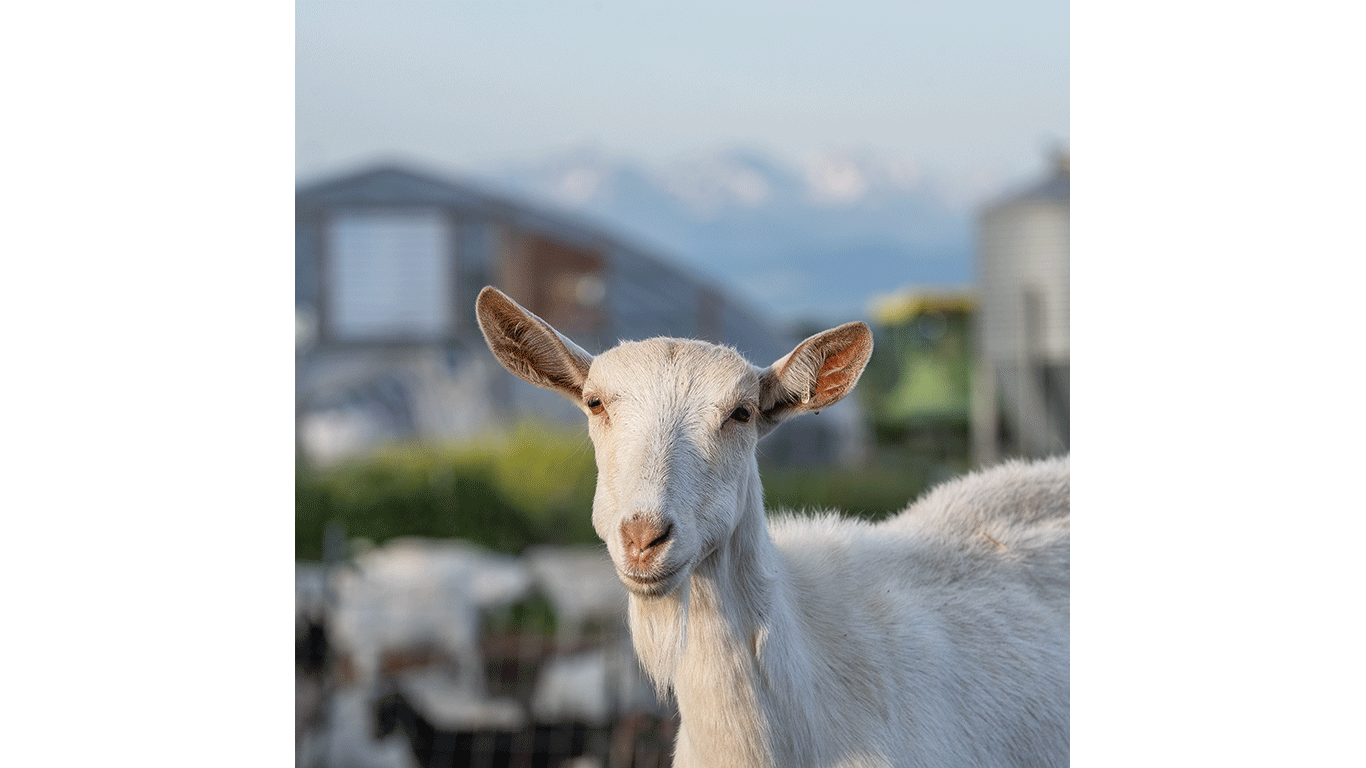
The herd of 200 goats produce 9,000 pounds of milk each week.
Agriculture, Education April 01, 2026
Thinking Big in a Small Box
Maxing diversity brings multiple incomes to minimal acres.
Story and Photos by Martha Mintz
The bankers were wrong. Maybe that's too harsh. They initially underestimated what the Brown family could do with just 20 acres of owned and 160 leased acres near Bozeman, Montana.
What Susan and Melvyn Brown wanted to do was start a goat dairy. First, though, they needed money to build a milking facility.
"They kept trying to convince us if we'd just raise cows, they would lend us money," Susan recalls. Montana is cow country after all, and the Browns were thinking outside the box. Eventually they found a banker that understood and Amaltheia Organic Dairy got the green light. They started with 80 goats and have come so far.
Today, the modest family farm milks 200 goats, makes 10 cheeses for regional distribution, and runs a vegetable business that sells organic garden plants in the spring, supplies 200 CSA customers all summer, and more.
These businesses support Susan, her daughter Sarah Grotberg, and her son Nate Brown. It's an achievement her late husband took great pride in. A pride he was always willing to share.
"He was the face of our company. He had a way of becoming friends with everyone and made a lot of the people connections that have been very valuable over the years," Susan says.
The family started milking goats in 2000, shipping milk to a cheesemaker for a year before taking over the cheesemaking venture themselves. They went certified organic in 2005.
"It was a natural transition for us because we were doing a lot of things organically anyway," Susan says. The Bozeman community values organic products and they were able to build more income streams with farm byproducts. The side businesses are what attracted Nate back to the farm and made room for him.
Nate was earning a mechanical engineering degree at Montana State University. His first summer he started composting goat manure and selling it around town.
"I would deliver it in a pickup or people would come get it. We needed to utilize the manure as we didn't have enough acres to spread it on," he says.
Soon he grew tired of engineering, realizing he had a passion for business. He finished his degree, but all electives were business classes.
He took over cheesemaking and worked to make the compost business full time. Still he saw opportunity. The cheesemaking business produces a lot of whey. The family started raising organic hogs, fattening them on the whey. Eventually compost launched a new idea.
"I really enjoyed selling compost and people loved the product. Customers raved about how well their gardens did," he says. "That got me thinking, what if I started growing my own vegetables?"
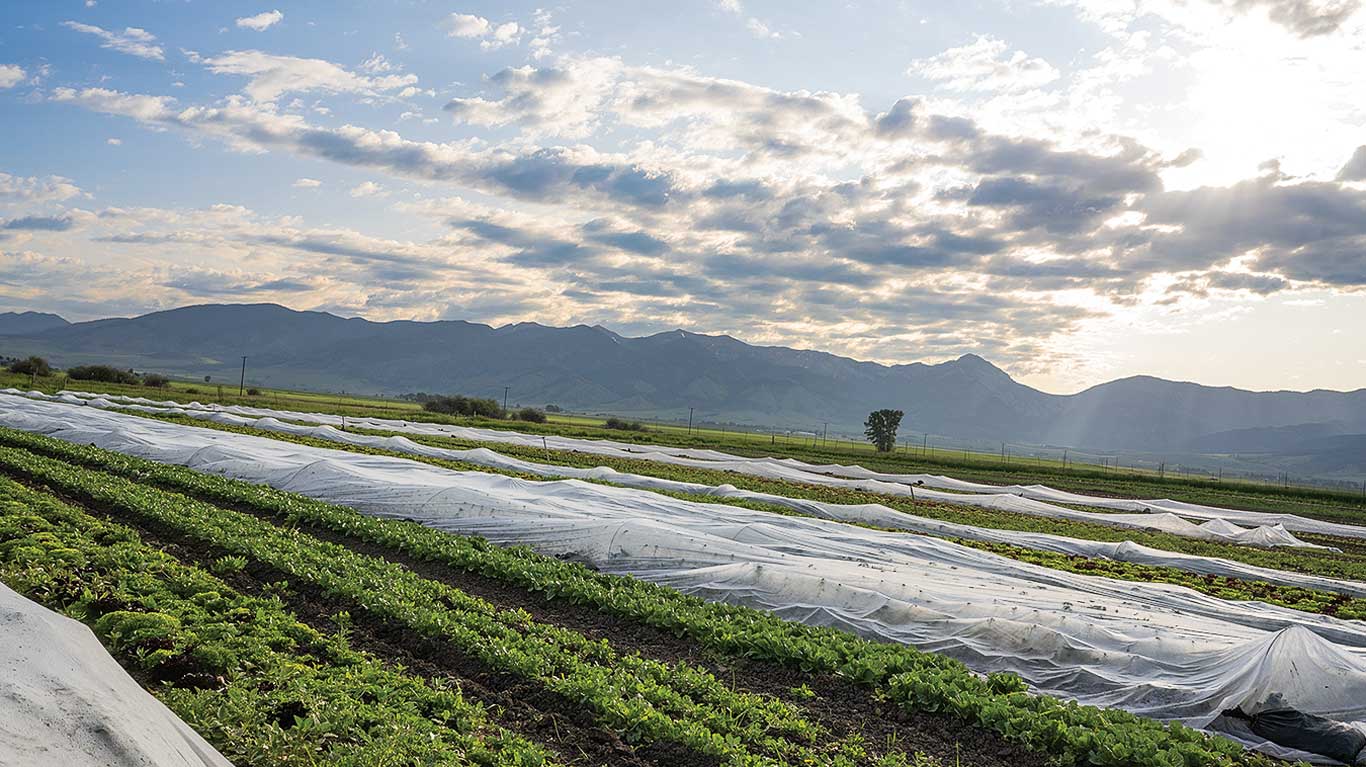
He utilized NRCS grants to put up his first high tunnel and built from there. Today the farm has multiple greenhouses and high tunnels and Nate raises vegetables on nine acres with another nine acres of cover crops for goat grazing and rotation.
"My passion is for growing," Nate says. He enjoys learning and developing his system. "Adding cover crops and integrating livestock into our vegetable operation has been a lot of fun. The dairy is a great way to have full-circle regenerative practices."
With the addition of the gardens they did lease more land for grazing and hay, but they're still working with less than 300 acres.
The vegetable business is separate from the dairy and the cheesemaking venture. Nate's sister Sarah has taken over cheesemaking and has her own side business of goat milk lotions.
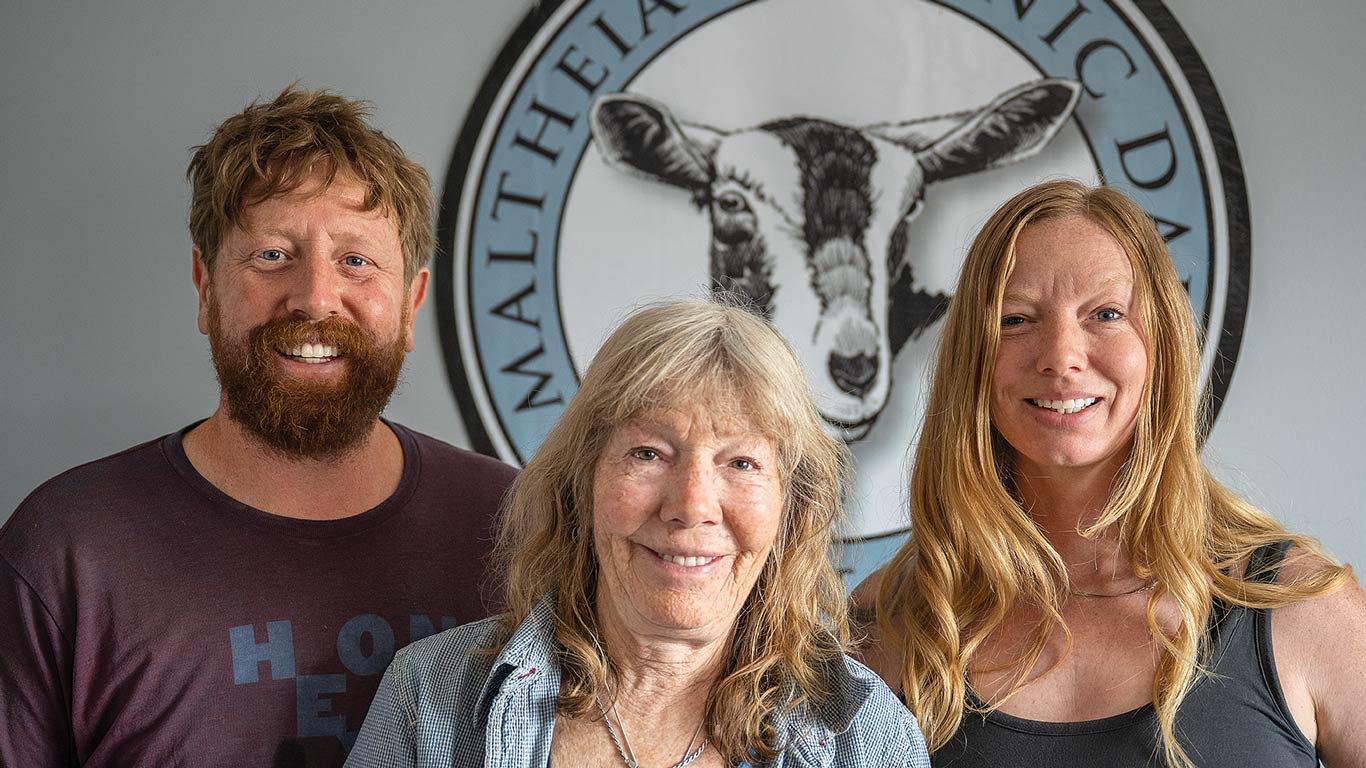
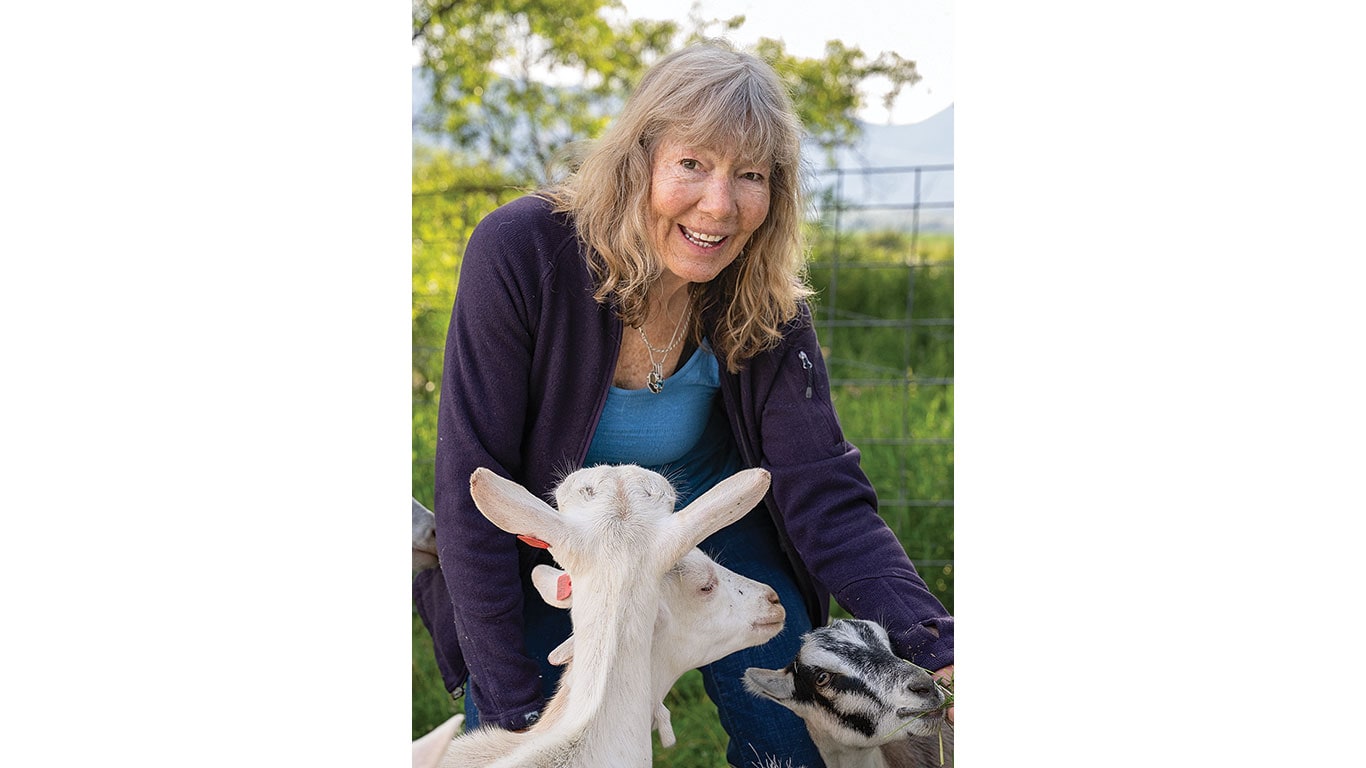
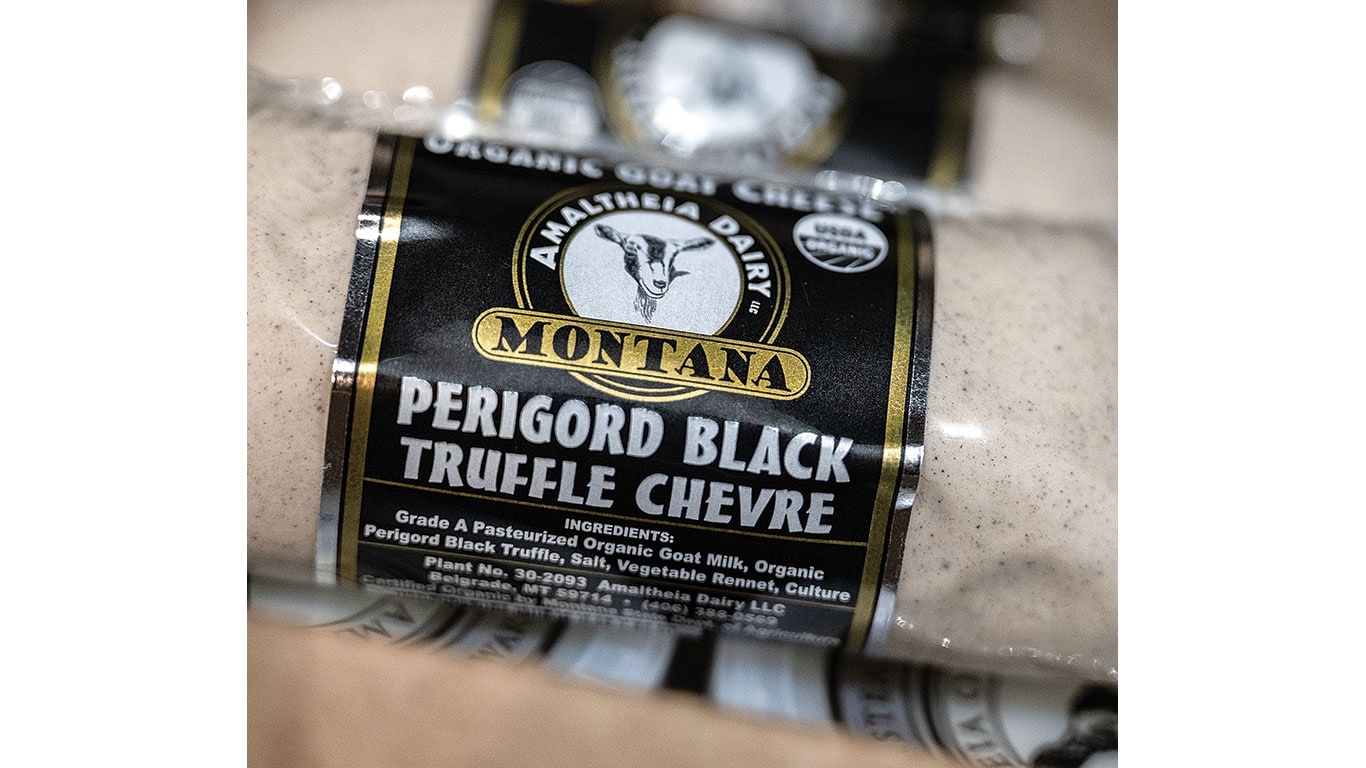
Above. Nate and Susan Brown and Sarah Grotberg all earn a living from the dairy, cheese business, and vegetable farm. Sarah is the head cheesemaker, Susan oversees the dairy and cheese business, while Nate manages the farming; an enterprise that has taken root. Susan Brown and her late husband Melvin built their goat dairy and cheesemaking business from scratch. Brown created their unique lineup of cheeses, including feta, ricotta, and Spiced Pepper and Black Truffle chevres.
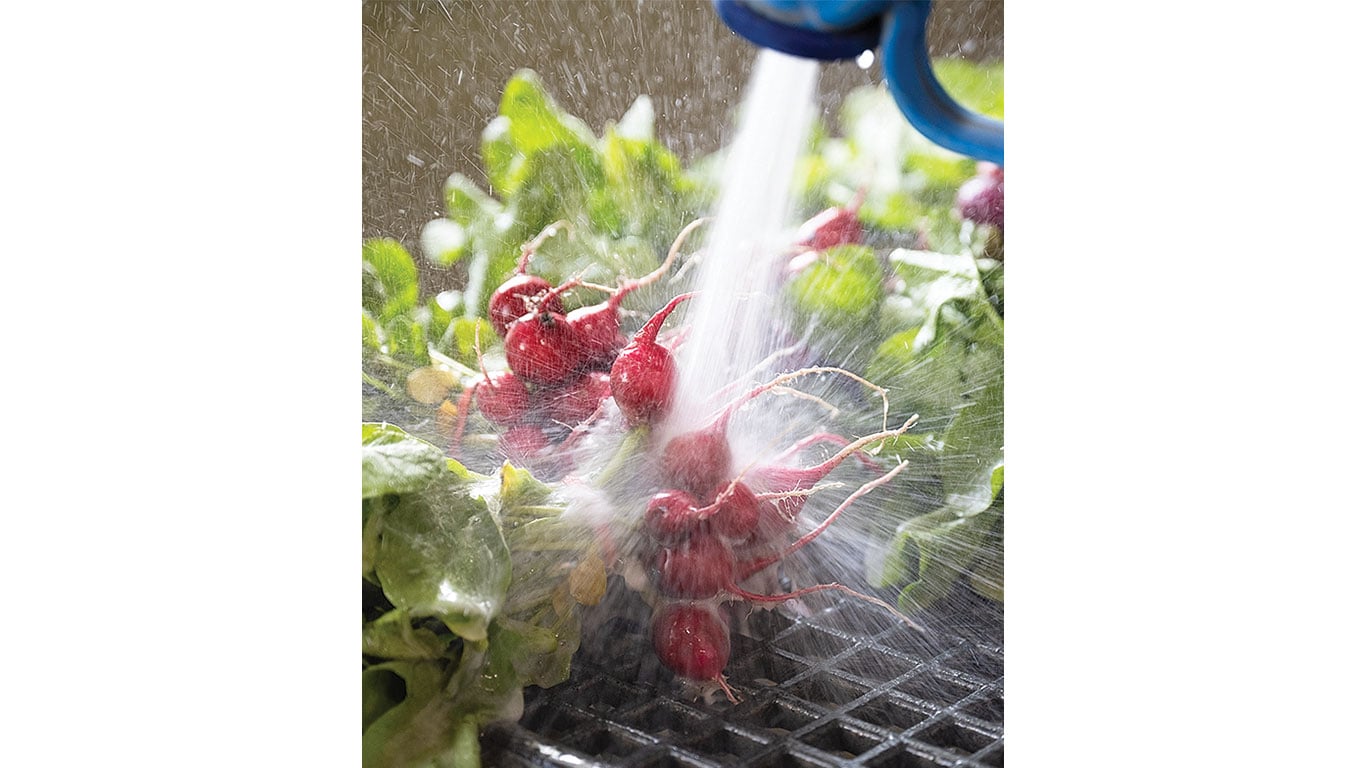
Fertile growth. Nate's business is no small venture. It supports his family and vegetable sales have surpassed cheese sales. Spring plant sales draw big crowds — which might have something to do with the baby goats the families get to pet.
A crew of workers, many of whom are seasonal help who work at area ski resorts all winter, spend the summer weeding and harvesting 35 varieties of vegetables. They tend onions, kale, cauliflower, tomatoes, spinach, potatoes, and more for the 200 summer CSA customers. Nate supplies local grocery stores and restaurants, vends at two summer farmers' markets, has a winter CSA, and works a winter market where he sells storage crops like carrots, squash, and beets.
It took time to build, and there were plenty of tough years, but Nate finds he's quite happy with his pivot from engineering to full-time farmer.
"It's a good life. I wouldn't trade for anything how it's all worked out," he says. Part of why it's worked out is the example his parents set. "They always trusted they would find a way and never gave up. It's been inspiring as there were many times they could have just closed it up and said this is too hard."
Instead, they took a few acres and a dream and built something that brings their family not only income, but satisfaction. And they're not done. They're installing a fluid milk line for 2026 and are sourcing equipment to produce their own dry whey protein. ‡
More articles related to:
Read More of The Furrow
AGRICULTURE, SPECIALTY/NICHE
We're Back!
Orchard gives storied BC Tree Fruits brand a new lease on life.
AGRICULTURE, FARM OPERATION
The Right Blend
Doing on-farm test plots pays dividends.