 A John Deere Publication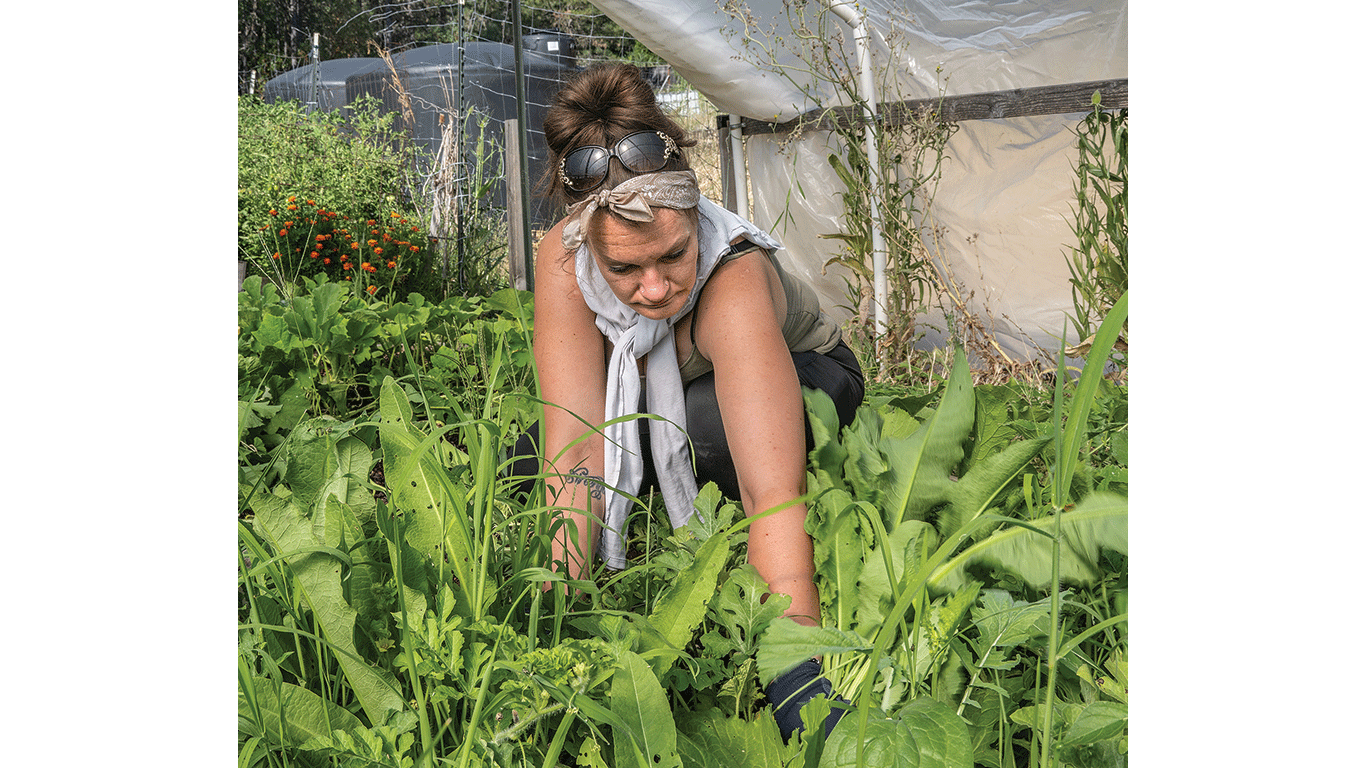
Desiree Lapham weeds one of the garden beds at Freedom Farms in Gold Hill, Oregon. The program provides opportunities for people leaving prison to develop new skills and a new appreciation for nature.
Agriculture, Specialty/Niche April 01, 2026
Free to Farm
This farm is a stepping stone from prison to new opportunities.
Story and Photos by Steve Werblow
In the shade of an old pine tree, the group stretches, reaching and bending in a tai chi exercise before going over chores in a morning meeting. It's the start of another day at Freedom Farms in Gold Hill, Oregon, where founder Sean O'Ceallaigh gives 25 to 30 formerly incarcerated people per year an opportunity to start a new life from the ground up.
"When we do our morning stretches and working in the garden, it's encouraging a healthy relationship with the physical body," O'Ceallaigh says. "Most of our participants have a really awful relationship with their bodies, and they abuse themselves with all sorts of stuff. Starting every day slowly, they can say, 'This feels really good. I can be healthy in my body. I can work in the garden. I can eat better.' And that can start the process of, 'Maybe I should treat myself better.' Then, being able to have your hands in the soil and learn about what's going on in there, it's very healing."
Freedom Farms is all about healing. As he recovered from cancer, O'Ceallaigh corresponded with people in prison. He grew up in Ireland in a family that raised most of its own food, and worked in the U.S. with at-risk youth and hospice patients. Combining his skills on his 11-acre homestead, he created Freedom Farms.
His first 2 participants arrived in 2023 after leaving prison. Their year at Freedom Farms helped O'Ceallaigh develop a program that has grown to include groups for men, women, and youth.
Through vegetable and herb farming, forestry thinning, trail building, and selling the farm's produce at farmers' markets, O'Ceallaigh helps participants build new skills for work and for life outside the prison system.
"We had a group of girls out yesterday and none of them had ever worked that hard, physically, in their life—and they loved it," says Lindsey McNab, a lifelong gardener who serves as Freedom Farms' grant writer, publicist, and garden guru.
"It was hot, it was miserable, but afterwards, you could tell they felt really good about themselves. It's just proof that we all need this for ourselves physically, spiritually, emotionally, but also to teach you that you can grow your own food."
McNab notes that the garden program at the Missouri prison where she was incarcerated for 16 months provided vital opportunities to be outside, to be trusted with tools, and even to be alone.
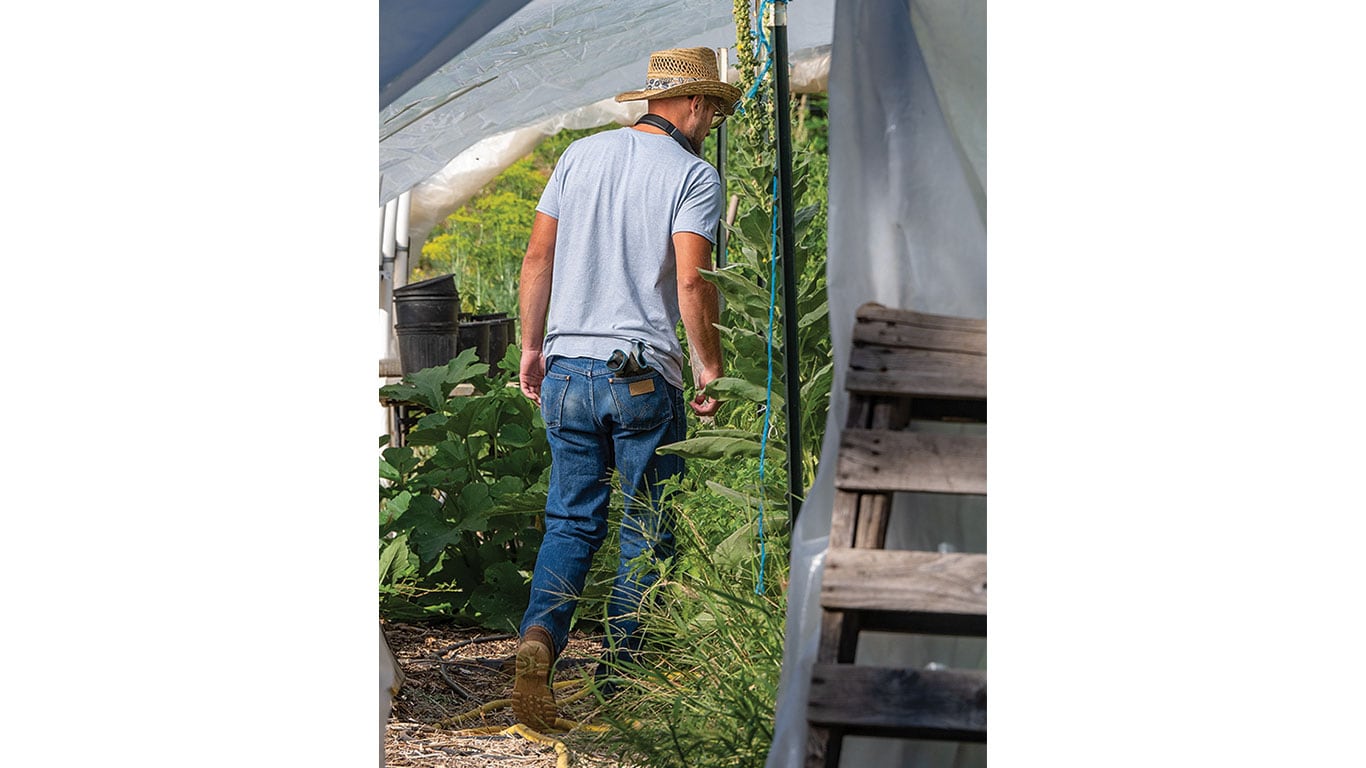
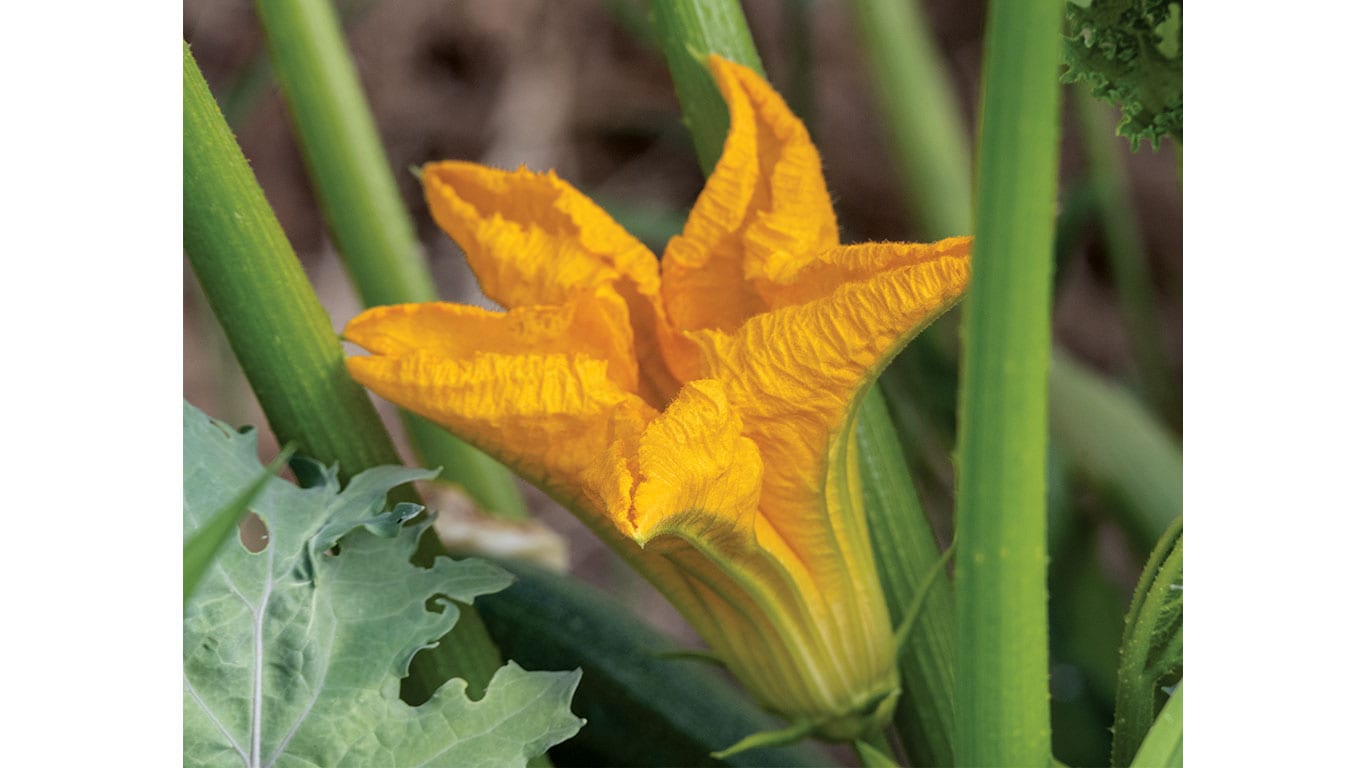
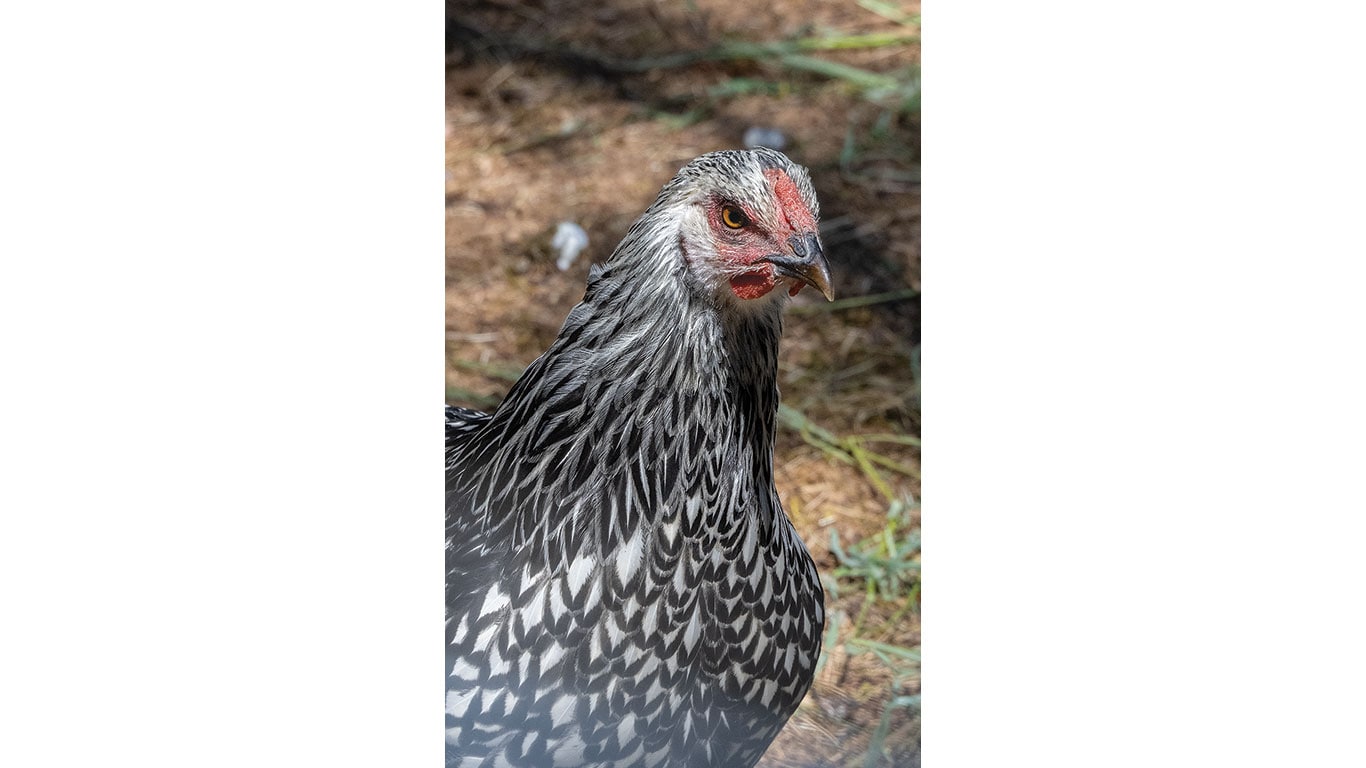
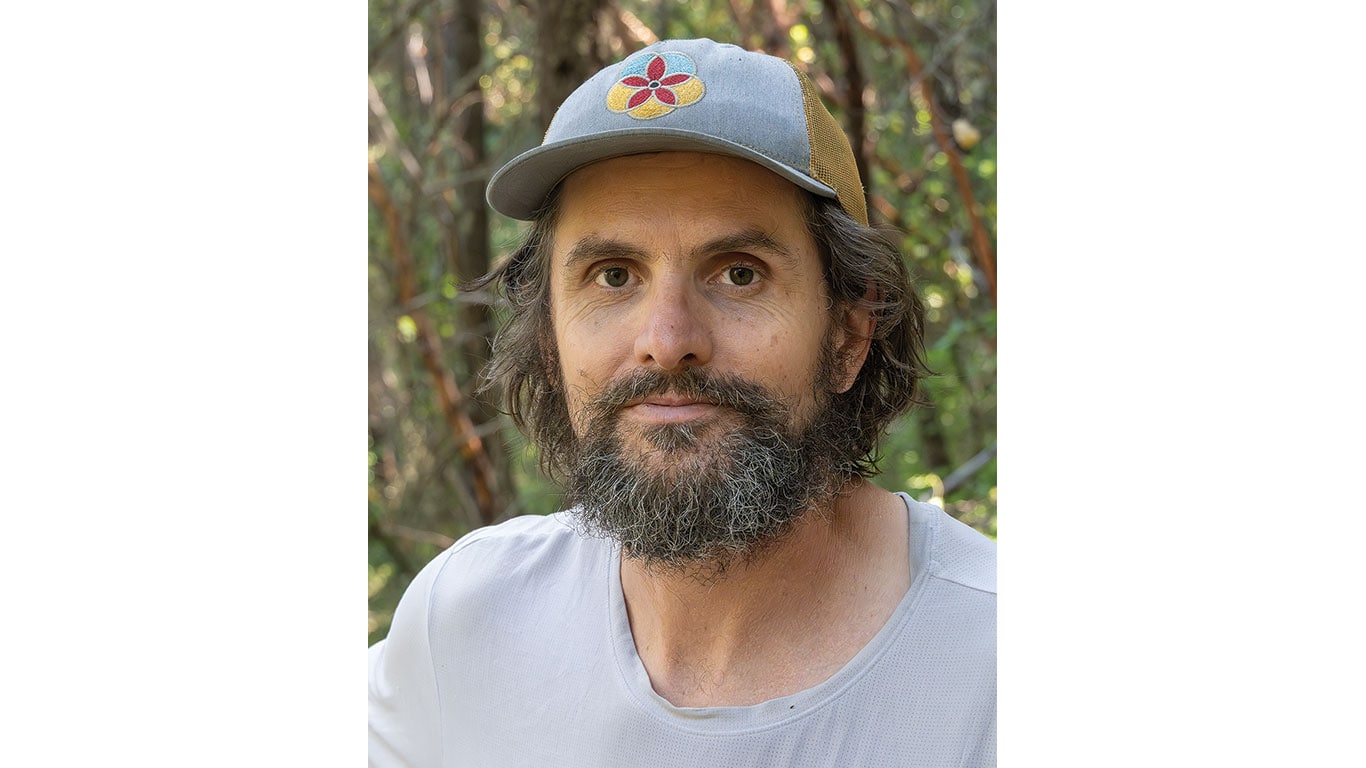
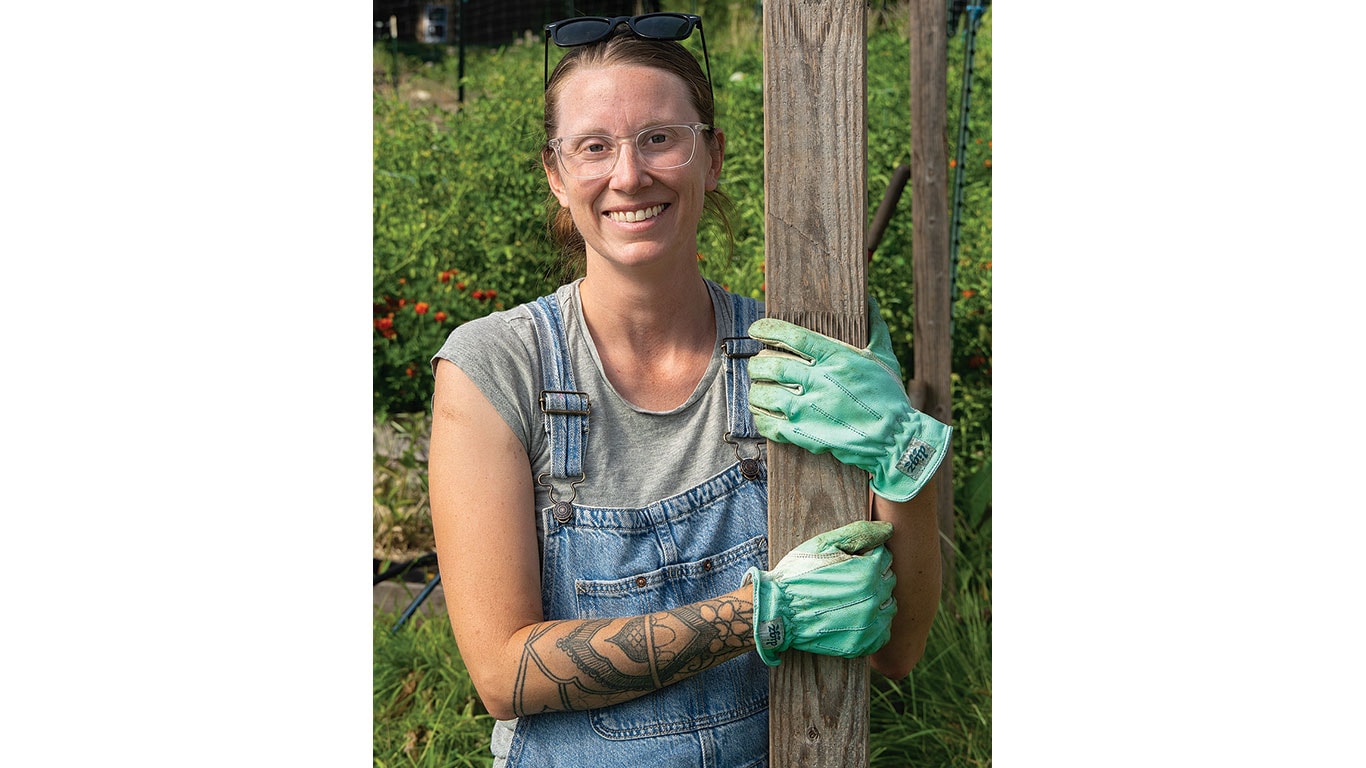
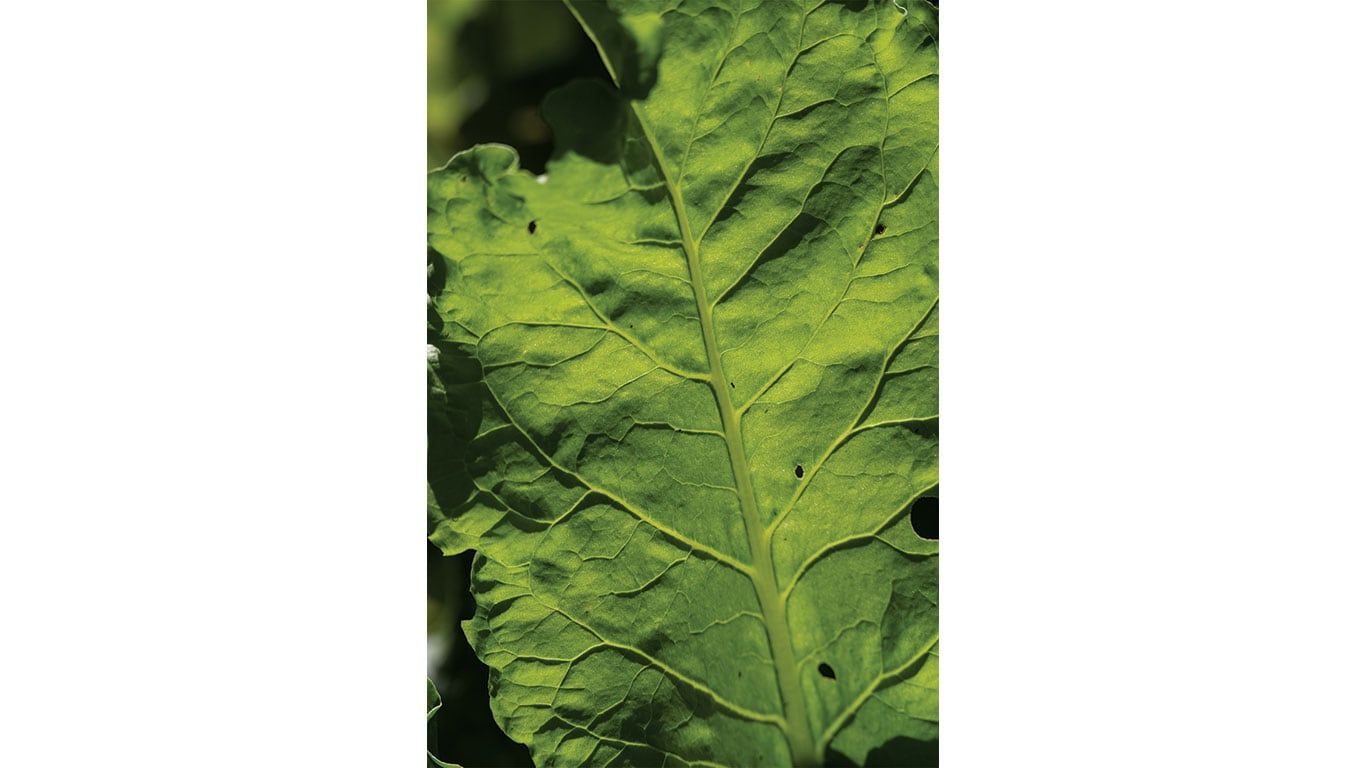
Above. Michael Imel is a grower, chef, and construction worker. Squash blooms in the hoop house. The joke at Freedom Farms is only the chickens are incarcerated. After corresponding with incarcerated people, Sean O’Ceallaigh was inspired to invite people fresh out of prison to his farm. Lindsey McNab uses her skills in the garden and on the computer to support Freedom Farms. Fresh greens and vegetables help boost nutrition and pride.
Nurturing. O'Ceallaigh taps into the participants' interests to create more meaningful opportunities and help grow the 501(c)3 nonprofit he created to sustain Freedom Farms.
McNab brought her gardening experience, training in permaculture design, and communications and business skills.
Michael Imel's degree in viticulture helped him adapt quickly to farm life; his experience in construction and cooking adds to what he brings to the program.
Many participants also work at the farm's stand at a pair of nearby farmers' markets. O'Ceallaigh notes that the markets provide a vital chance to connect with members of the community.
"This has been a really beautiful piece to it because a lot of community members just have never met somebody who's been incarcerated, so they have ideas and opinions and judgments about what that person is," he says. "We get to have conversations at the market that break down those stereotypes. The participants also learn the soft skills like sales and marketing. Ultimately, we create networks for jobs. Farms around here need help, and we provide a training in sustainable agriculture so at the end of the season, they have a certification."
Partners. O'Ceallaigh has built a strong network of partnerships with government agencies and local non-profits ranging from United Way to the Cow Creek Umpqua Indian Foundation.
"An individual comes out with absolutely nothing," O'Ceallaigh says. "The first step in the re-entry process is to find housing and stabilizing the basics, and our community partners take care of that piece."
Sponsorships also help Freedom Farms pay participants for their labor. That makes it worthwhile and possible for participants to keep coming out to the countryside, away from triggers and temptation, O'Ceallaigh says.
"It's a great way for people to learn about the healing power of nature and return to the sacredness in themselves," he says. ‡
More articles related to:
Read More of The Furrow
AGRICULTURE, SUSTAINABILITY
Caretakers
Native foods represent past, present, and future.
AGRICULTURE, SPECIALTY/NICHE
We're Back!
Orchard gives storied BC Tree Fruits brand a new lease on life.