 A John Deere Publication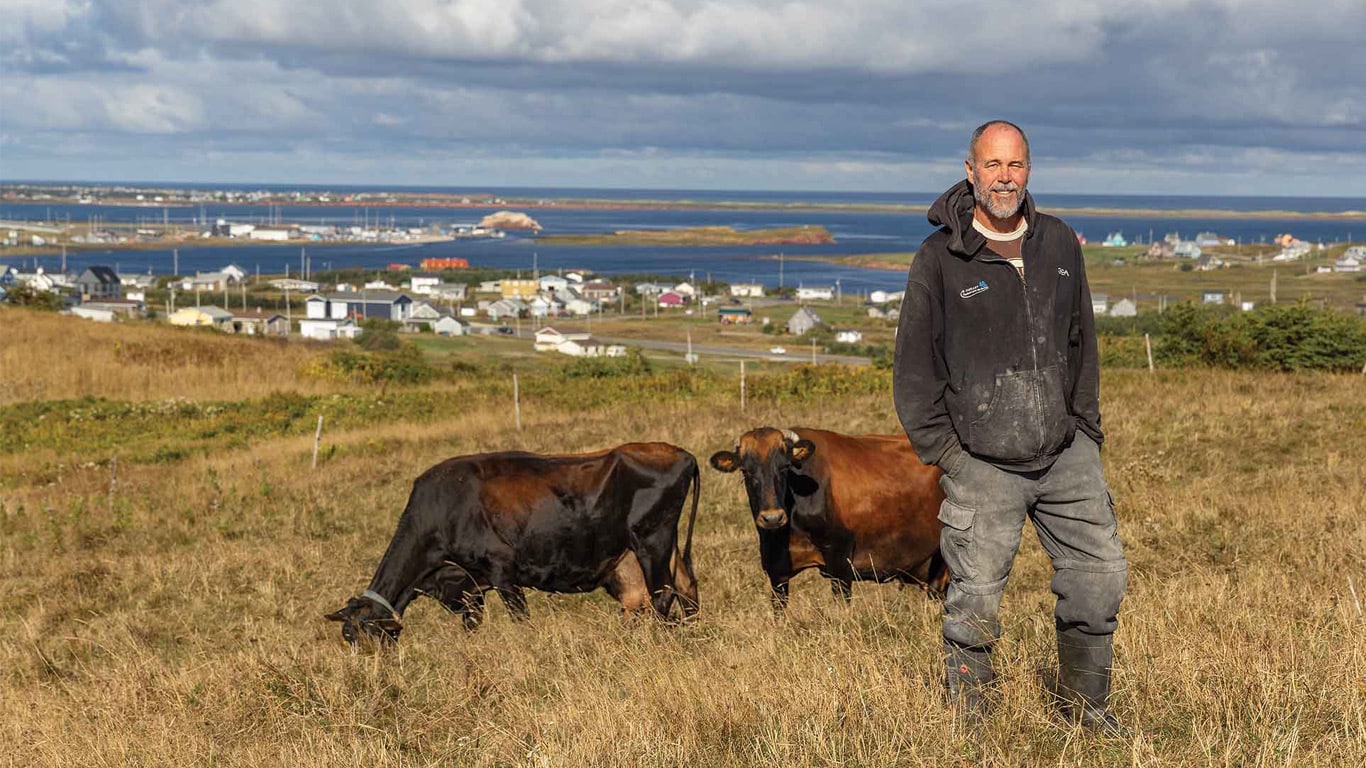
The scent of sea air is ever present when you’re standing in Dominique Arseneau's pastures above Ferme Pointe-Basse and Fromagerie du Pied-De-Vent. Almost any direction you look the land tumbles down to the sea.
Agriculture, Specialty/Niche March 01, 2026
A Sea-Swept Cheese
Cheesemaker finds success among the seals.
Story and Photos by Lorne McClinton
It's hard to miss the ever-present scent of sea air in Dominique Arseneau's and Renée Landry's pasture above their dairy, Ferme Pointe-Basse, and cheese factory, Fromagerie du Pied-De-Vent. No matter where you turn, the land tumbles away past brightly colored houses towards the sea.
Winds are a constant companion on Havre-aux-Maisons, part of Quebec's Îles de la Madeleine, an archipelago in the Gulf of St. Lawrence where their businesses are located. They coat everything in an invisible misting of sea spray. Arseneau swears that this gives their four cheeses, Pied-de-Vent, Tomme des Demoiselles, Jeune-Cœur, and Cheddar Art Senau, their unmistakable character.
Building on the work of his parents, Jérémie and Lucie, Arseneau and Landry have helped put this remote cluster of islands on Quebec's culinary map. Their success shows how luck, creativity, and perseverance can turn an unlikely place into the foundation for a thriving value-added business.
Farming was never easy here. Cod, herring, and lobster sustained the economy for centuries. But when Atlantic cod stocks collapsed in the 1990s, the islands needed a new lifeline. Tourism filled that void.
The archipelago's rugged beauty and isolation draw adventurous travelers eager for destinations off the beaten path. It takes either a five-hour ferry ride from Prince Edward Island or a 2.5-hour flight from Montreal or Quebec City to get here. Yet each summer, the islands' 13,000 residents are joined by roughly 75,000 visitors. They ebb and flow like the tides, reshaping the rhythm of island life for a few short months.
One of those visitors changed the course of the Arseneau family's future. In 1997, Quebec City agronomist Jonathan Portelance tasted the milk from local cattle and was instantly hooked. He urged Jérémie and Lucie to convert their small beef farm into a dairy and try making artisanal cheese.
"He said, 'people will queue up to buy it,'" Dominique recalls. "But we were raised on Cheez Whiz and Velveeta. We weren't at all sure about it."
Portelance didn't just suggest it, he guided the family through the startup process for a year. He helped convince the milk producers' association, government regulators, and cautious lenders that a dairy and cheese factory on the tiny windswept island could succeed.
The fromagerie opened in 1998. Dominique and Renée took over in 2018, but Dominique admits he knew nothing about dairying when his parents bought the Canadienne herd. Thankfully, the retired farmer who sold them the cattle agreed to move to the islands for a year to teach them everything from milking routines to herd management.
"That prevented us from making serious mistakes right from the start," Arseneau says. "If he hadn't come, we wouldn't have known where to begin."
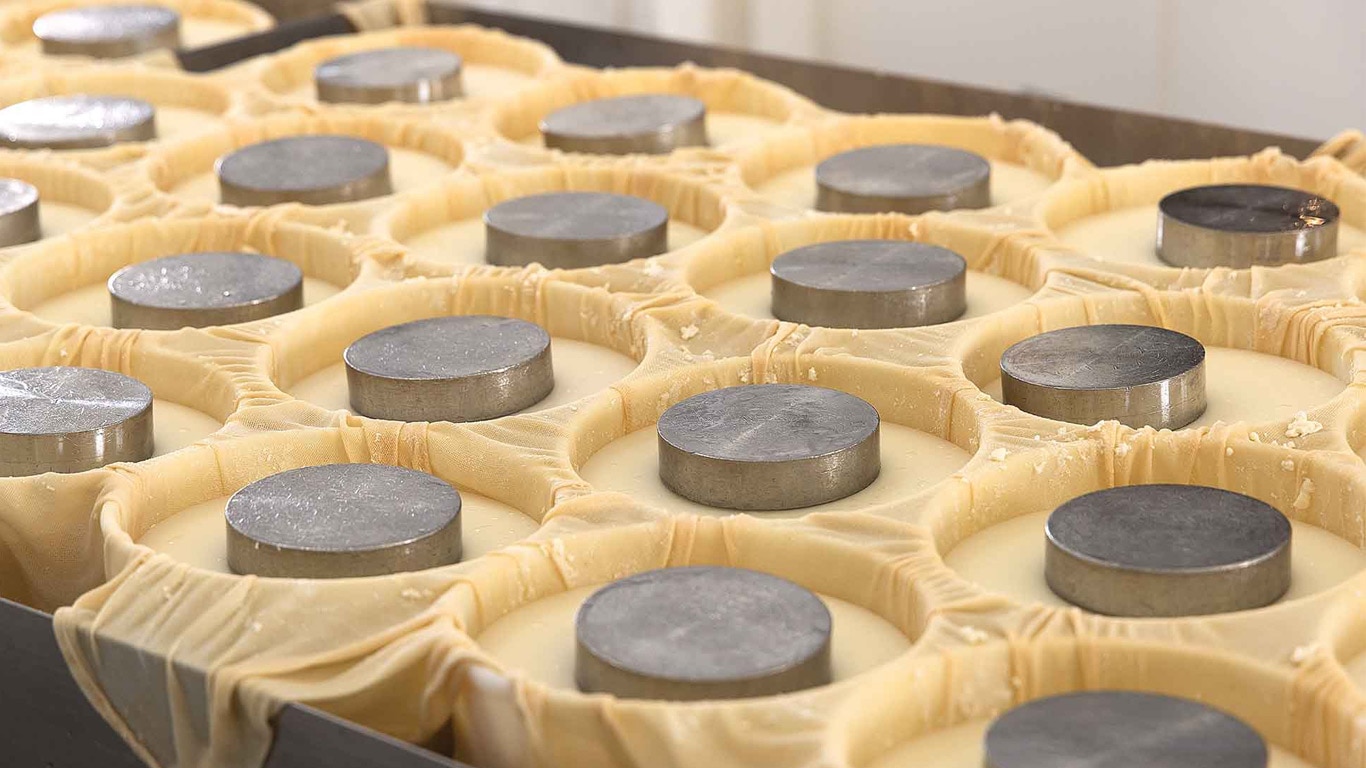
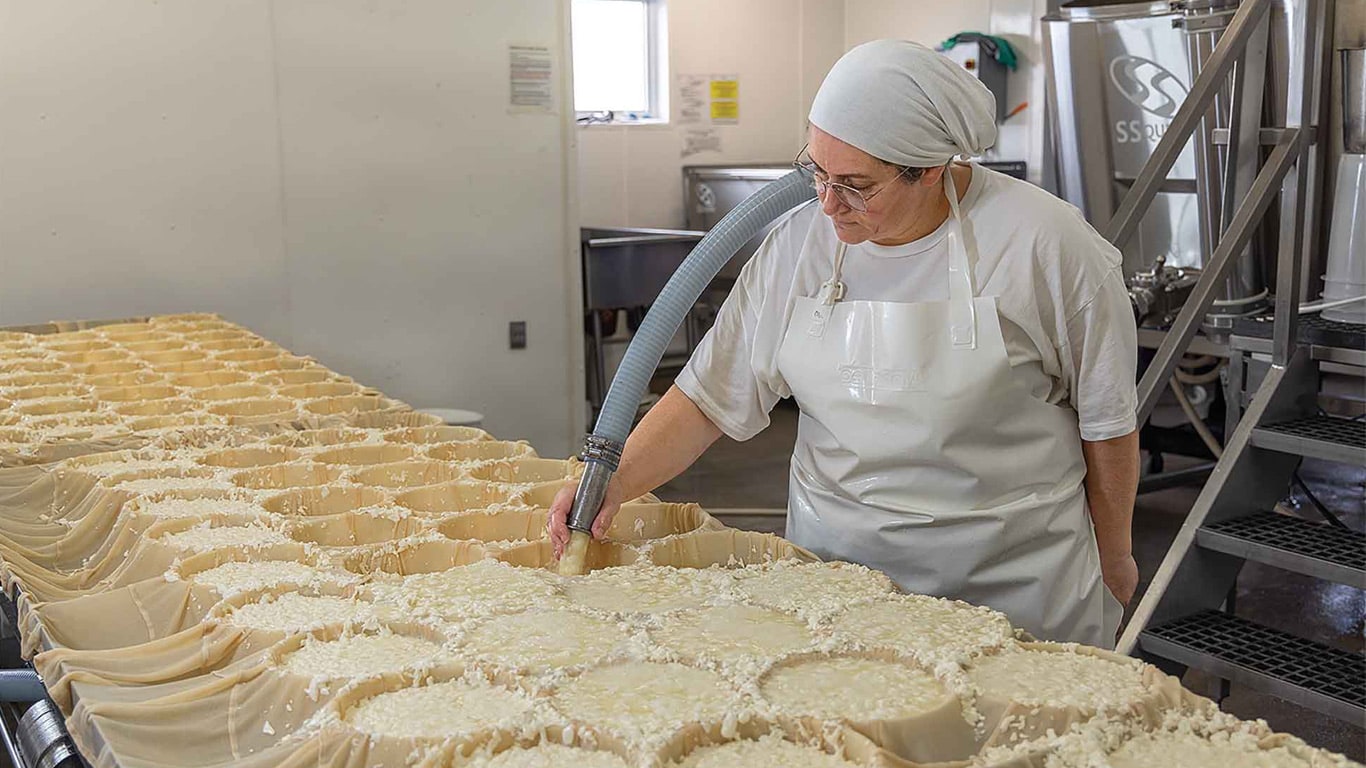
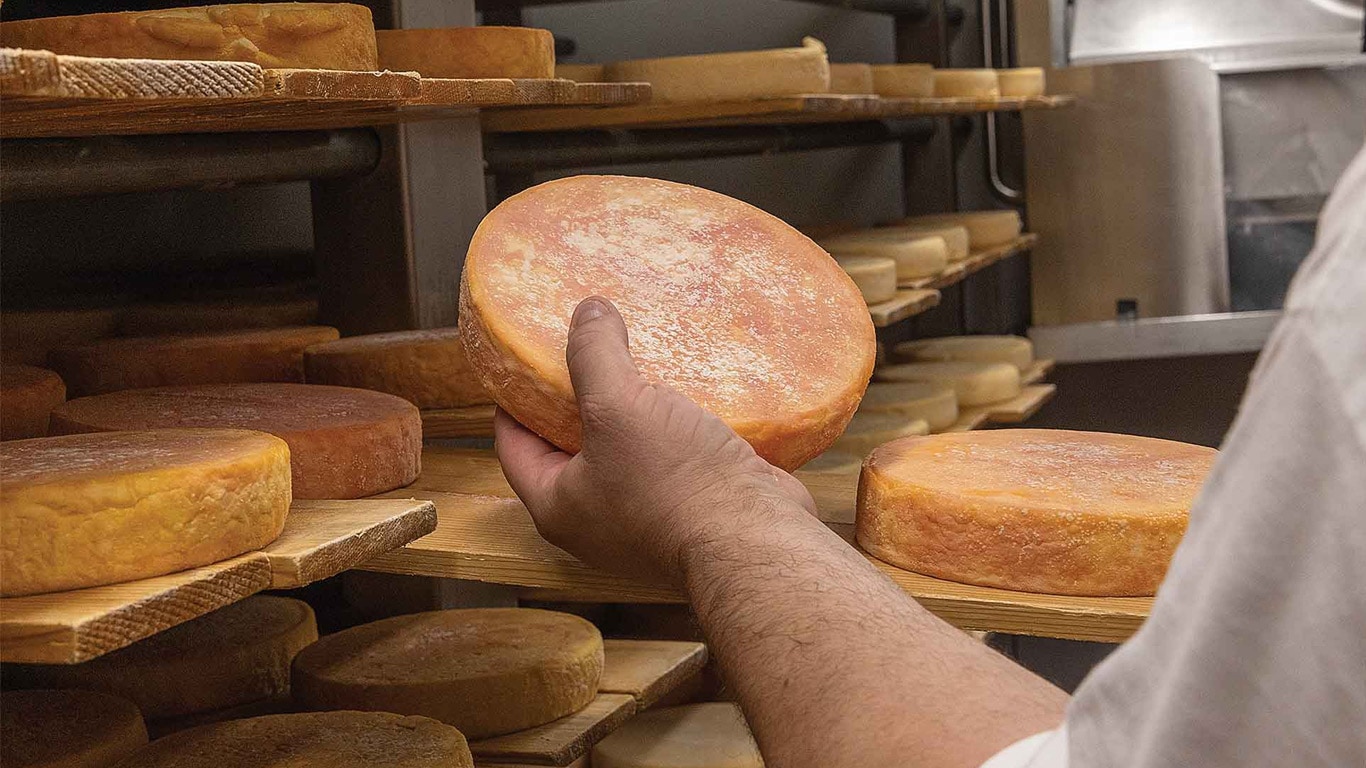
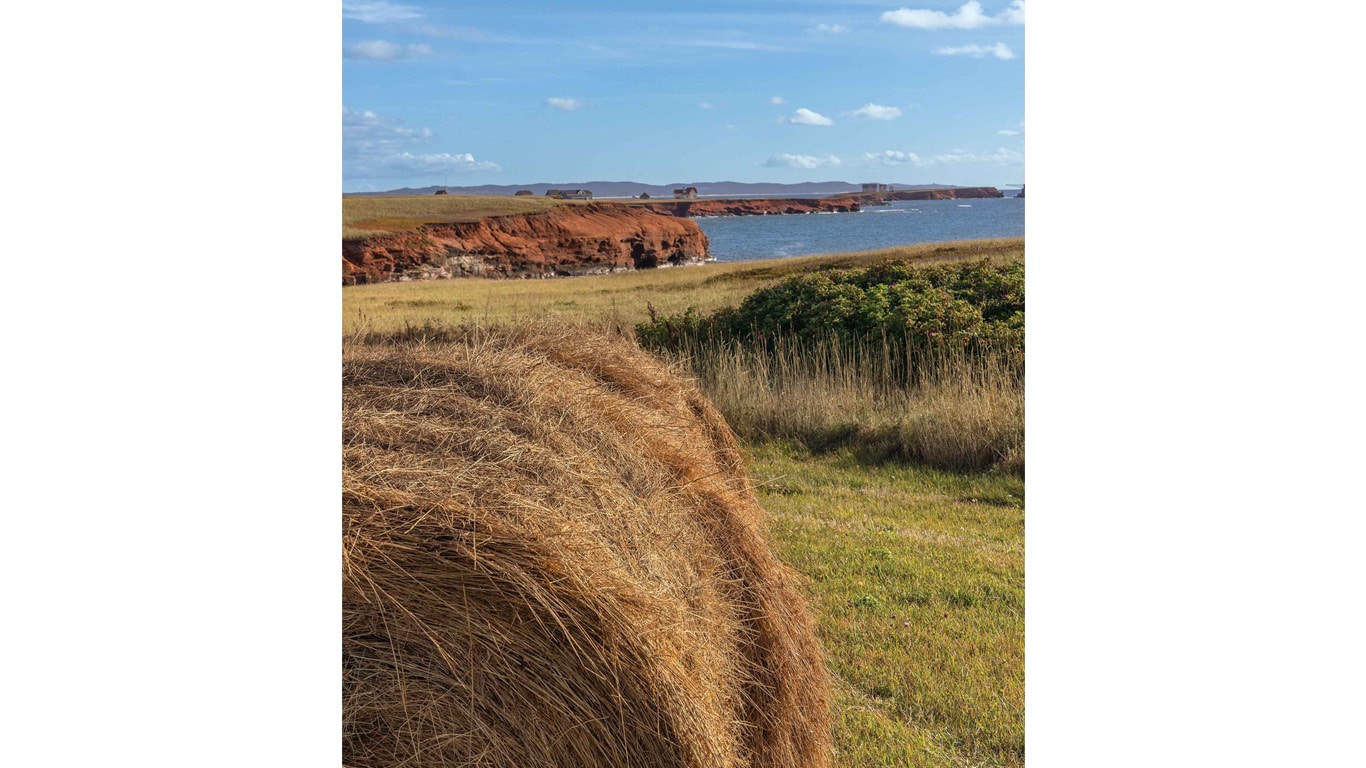
Above. Tourists watch cheesemakers at work through viewing windows. Pied-De-Vent, the fromagerie’s namesake cheese is sold in 450 locations in Quebec, plus some in Ontario and British Columbia. Arable land is scarce on the island; Arseneau has to hay 55 fields on three islands to put up the 1,600 bales he needs.
Canadienne cattle are forgiving. The hardy, low-maintenance breed is well-suited to the islands' climate, and their milk is ideal for cheesemaking.
Pied-De-Vent, Dominique's favorite, quickly developed a loyal following. Today their cheeses are sold in over 450 specialty shops across Quebec, and a few points of sale as far away as British Columbia.
The islands' tourists though form the backbone of their business. Almost every visitor stops by at least once; they sell half of the farm's annual production through the fromagerie between June and September.
"Our cheeses have become a mainstay of local island products," Arseneau says. "Nearly every shop and restaurant on the islands offer them." Their three weekly guided summer tours fill so quickly they routinely turn people away.
Feed is their biggest limiting factor. Arable land is scarce. Arseneau hays 55 small parcels scattered across three islands to get the 1,600 bales he needs. Many fields are so tiny they only yield a few bales. The rest of their feed arrives by ferry.
Every two months Dominique makes the five-hour crossing to Prince Edward Island for 15 tonnes of corn and soybeans for his dairy ration. Freight costs double the price of every load.
But he wouldn't trade it. "I'm not saying it's perfect, but it has many advantages," Arseneau says. "Summer is busy with tourists and festivals. After that it gets a little too quiet but put the two seasons together and it's a paradise for me." ‡
More articles related to:
Read More of The Furrow
AGRICULTURE, SPECIALITY/NICHE
The Wanderers
Glimpses of the nomad cultures that once ruled the world.
AGRICULTURE, SPECIALITY/NICHE
Class is in Session
Homestead cooking classes excite the mind, palate, and love of land.