 A John Deere Publication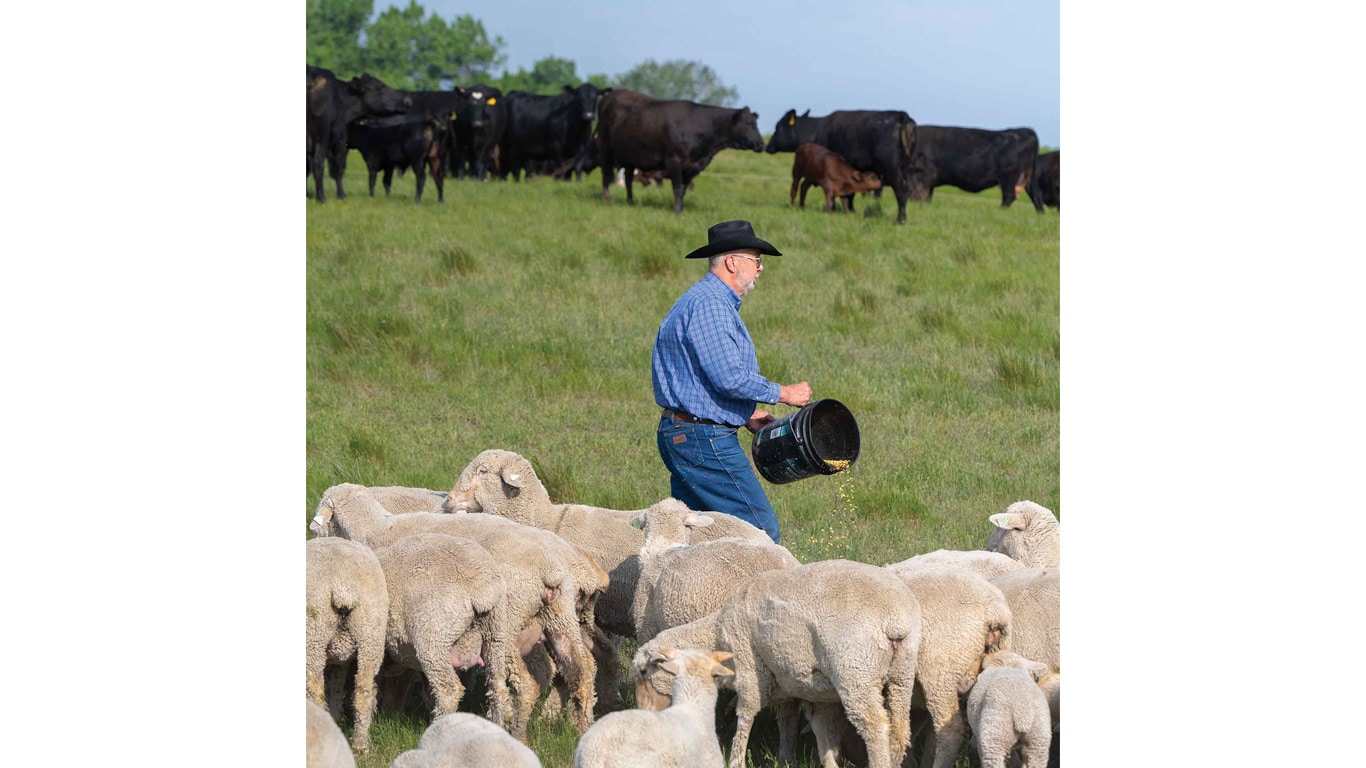
Sheep and cattle are kept together nearly all year, including winter.
Agriculture, Livestock/Poultry March 01, 2026
Range Wars No More
Sheep and cattle together help regenerate, boost the grazing resource.
Story and Photos by Martha Mintz
When David Ollila first graduated college, he thought he knew everything about managing a ranch. ''I figured I could just control everything. Boy did I get my butt kicked,'' he says.
Creating a grazing system, as he learned, is a practice much like art. Producers have to rough in an idea, repeat it with slight tweaks, try new techniques, and gradually develop a style that works in their specific system.
Ollila and his family raise cattle and sheep in Newell, South Dakota. They hope for 15 inches of rainfall per year and count on short growing seasons, cyclical drought, freezing winters, and scorching summers.
Multi-species grazing was tradition for the area, but now Ollila uses it as part of a broader strategy for grassland management.
''I used to only think about managing cows and sheep because that's what we sell. I didn't think about how to manage grass,'' he says. Now it's flipped. He sees livestock as a tool to maximize grass production and pasture health.
''If you improve the grass, you improve the cow and the sheep, and then you improve things for yourself,'' he says.
Building soil organic matter (SOM) levels the peaks and valleys of production for Ollila. His strategies have taken areas of short‑grass prairie from around 4% SOM to more than 6% SOM.
''I soil test every other year. We're moving the needle even in the dry years,'' he says.
And he's moving it for those dry years. Each 1% increase in SOM equals 1 inch of water storage. It also extends growth during drought and speeds recovery.
''If you beat up your pastures, you give yourself an extra season of drought because they will be slow to recover. My drought recovery is much faster now,'' he says.
Ollila uses intensive rotational grazing that leaves residue to moderate soil temperature and better absorb rain. He balances the protein needs of his livestock, the management needs of his grass, and his own availability.
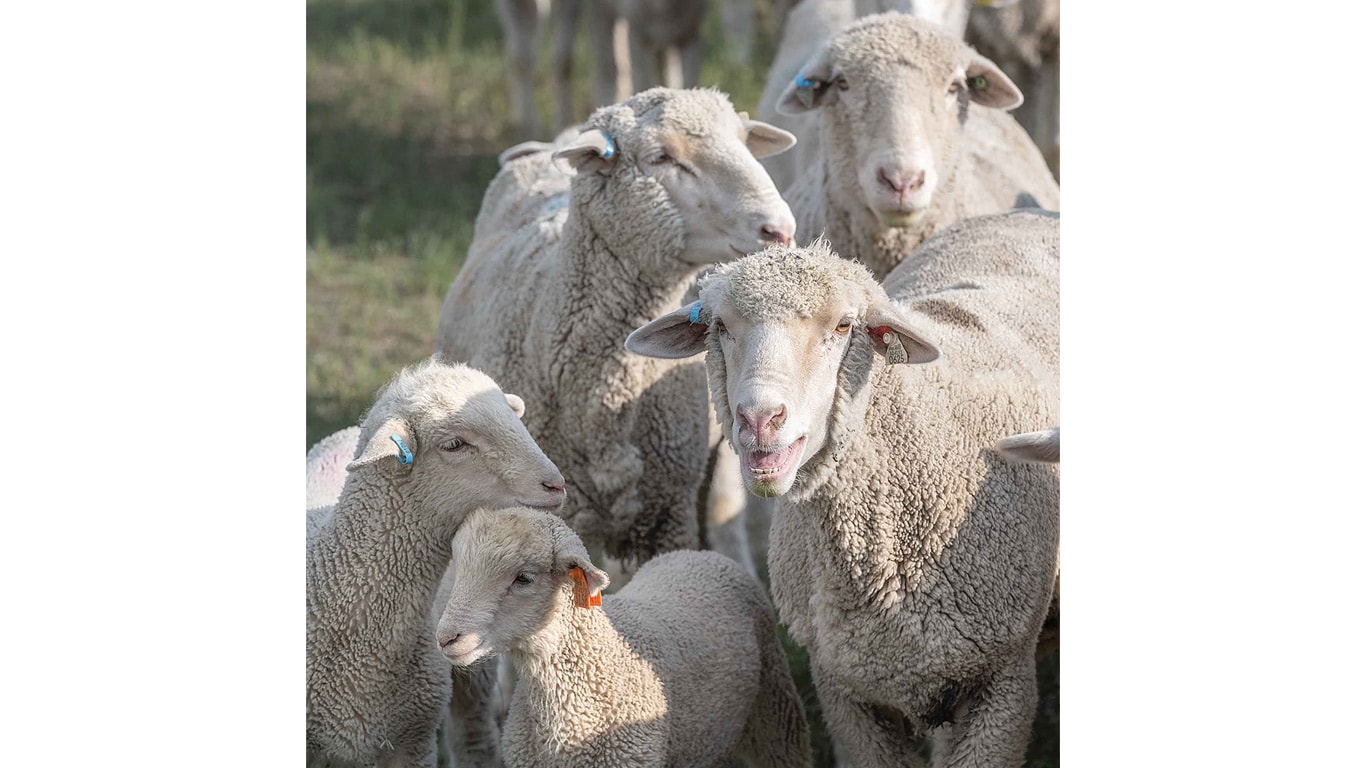
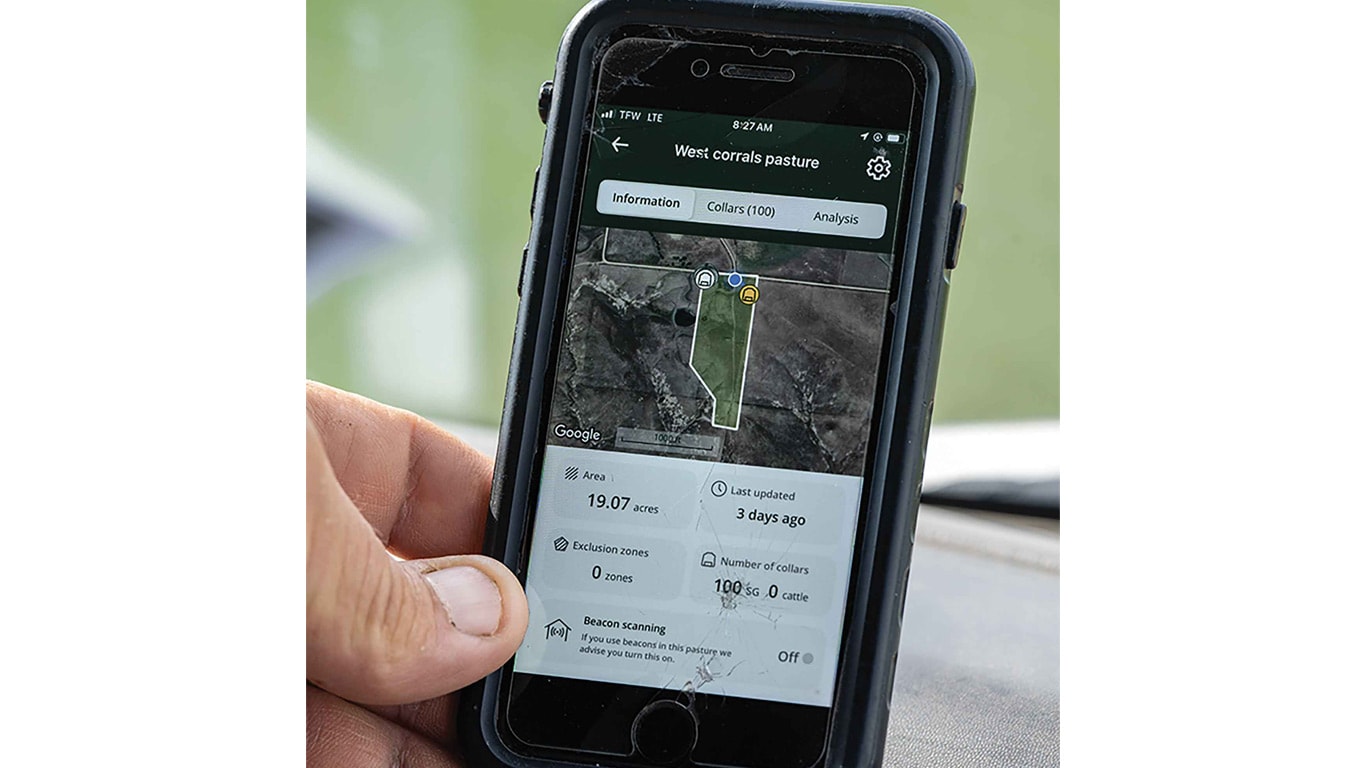
Above. A soil health focus allows Ollila to access markets and funding that value the effort. Wool is sold at a premium because their mill markets their story. The World Wildlife Fund helped with the cost for virtual fence collars for some of the flock to further manage grazing.
Grazing strategy. Context is key. Ollila's context includes a short growing season, native grasses, comfort with multi-species management, and supplemental irrigated acres.
Sheep and cattle graze together in a mob and are moved weekly in early spring. In summer when Ollila is haying and plant growth lags, he uses larger pastures and rotates every two to three weeks.
Long-established crested wheatgrass (CWG) on former CRP acres poses a challenge. It has a short window for grazing before making heads on low‑protein stems.
Ollila hits it hard early, concentrating a mob of sheep and cattle with temporary electric fencing. Grazed CWG is then less competitive when native species start growing in mid‑May, he says.
Interseeding creeping alfalfa boosts utilization of dormant CWG. Alfalfa provides nutrition, the low‑quality CWG makes fill.
''The protein feeds the rumen and soil bugs, and the nitrogen feeds the CWG,'' Ollila says. This strategy has encouraged tillering, reducing CWG bunches.
Competition also yields more utilization of CWG and across all Ollila's acres. Cows need volume and sheep need quality. As a result, cows tend to focus on grass while sheep target forbs.
''In continuous grazing sheep might take all the leaves and cows would get sticks,'' he says. All grazers are less picky with competition. They eat everything, including weeds, then the pasture is allowed a long period of recovery. ''We're mimicking migration. They're always moving to fresh pasture, which has also broken the parasite cycle.''
While hesitant to say you can run twice as many head using two species and rotational grazing, Ollila has certainly increased his stocking density, per‑acre profits, and resiliency.
''Our land resource is limited, so we have to get as much out of it as we can,'' he says. ‡
More articles related to:
Read More of The Furrow
AGRICULTURE, LIVESTOCK/POULTRY
Passing the Torch
Diversified farm prepares for transition.
AGRICULTURE, LIVESTOCK/POULTRY
Circles
Livestock rotation, interns, and happy customers keep Oregon farm rolling.