 A John Deere Publication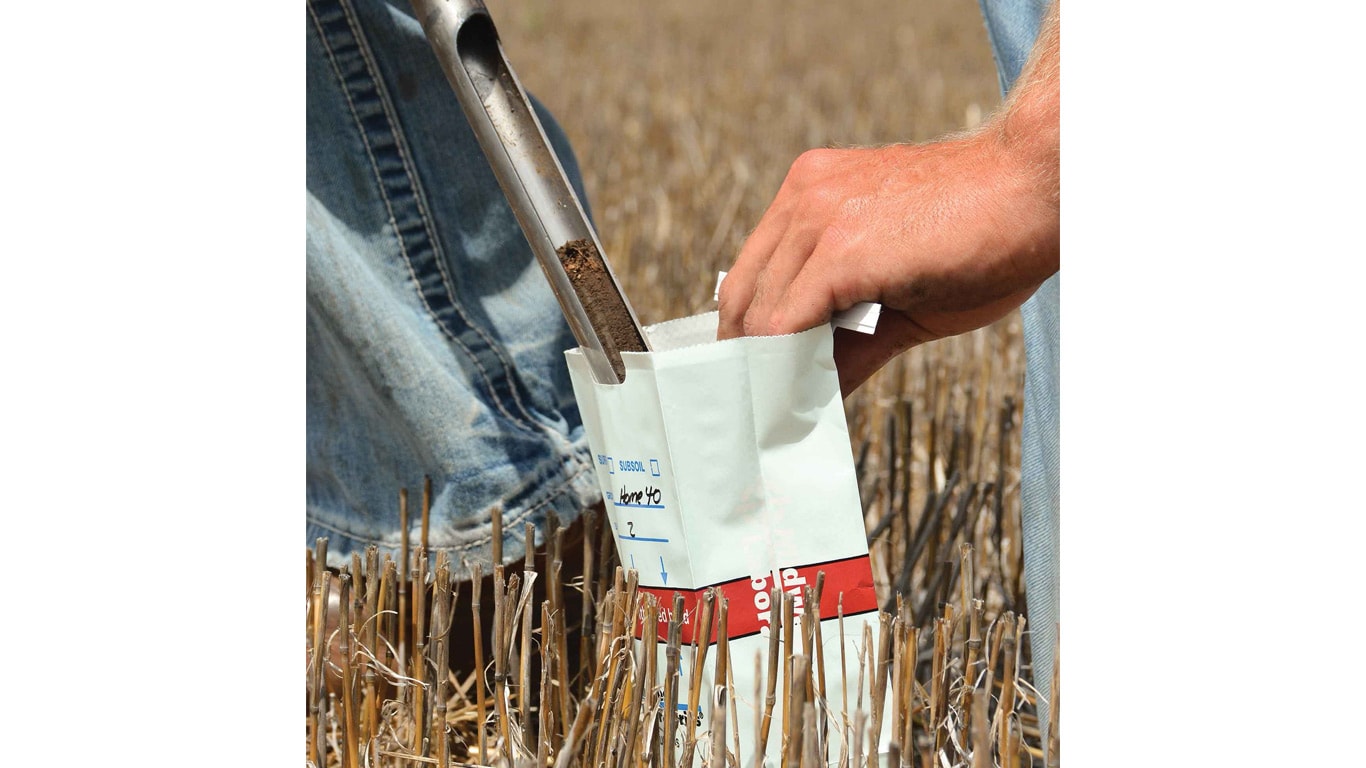
"Everything runs off pH," says Oklahoma State’s Brian Arnall. Thus, pulling soil samples is important even when crop inputs are high-priced. They are the only way to learn whether a soil is acidic or alkaline.
Agriculture, Education March 01, 2026
The Power of pH
Story and Photos by Bill Spigel
If you hand Brian Arnall a sheath of soil tests this spring, he can pretty quickly offer suggestions on how to amend soil pH to maximize effectiveness.
Arnall, a precision nutrient management specialist at Oklahoma State University, is the first to admit: if your soils need lime, the ideal thing to do would be to apply it. But crop farming today is fraught with economic uncertainty, so think about some ways to correct pH without breaking the bank.
What is soil pH? Soil pH is simply the measure of the soil's acidity or alkalinity based on a scale of 0 to 14, with 7 being neutral. Soil pH below 7 indicates acidic soils, or soils that have more hydrogen. Alkaline soils, or those above 7.0, have a greater concentration of hydroxyls, atoms bonded with hydrogen. Frankly, there's not nearly the concern with those soils, Arnall says.
When the pH strays too far from neutral, essential nutrients are tied up in the soil solution and unavailable to the plant. Ideally, soil tests will show fields with an average pH between 6.0 and 7.0. That's the sweet spot for nutrients, herbicides, and soils to function properly.
"Everything," Arnall says, "runs off soil pH."
Hydrogen doesn't hurt crops; it's aluminum and iron, he says. Acidic soils, or those below 6.0 pH, release aluminum, iron, and manganese. Aluminum is toxic to roots, whereas iron and aluminum tie up phosphorus.
Improving low pH should boost plant rooting, make phosphorus more easily available to plants, and improve drought tolerance.
But here's a caveat: soil textures affect the magnitude of low pH, Arnall says.
"You can have a sugar sand and not worry about hydrogen and aluminum, because there's no holding capacity. We also have some sandy loam soils in Oklahoma that have such little aluminum and a pH of 5.0 and we can still grow anything we want," he explains. "But some of our red soil, with low organic matter and a pH of 5.2 will knock yield 40% because there is so much aluminum in it."
Therefore, look at the Buffer pH on your soil test, which is a more accurate representation of how much lime is needed to correct soil pH, he says.
Arnall says acidic soils are showing up in areas of the country that have never had the problem before.
"That no-till surface is acidic. You're putting all your nitrogen on the soil surface and whether it is urea or UAN, it quickly goes to ammonium (NH4+), and our microbes love to turn ammonium into nitrate (NO3-)," Arnall explains. "That's why we have nitrification inhibitors. Nitrification takes oxygen out of the soil and donates hydrogen, which means my pH goes down."
The upshot: if you are a no-till farmer, don't soil test lower than three inches. That's where organic matter decays, producing ammonium that is converted to nitrate and hydrogen, which is a culprit of acidity.

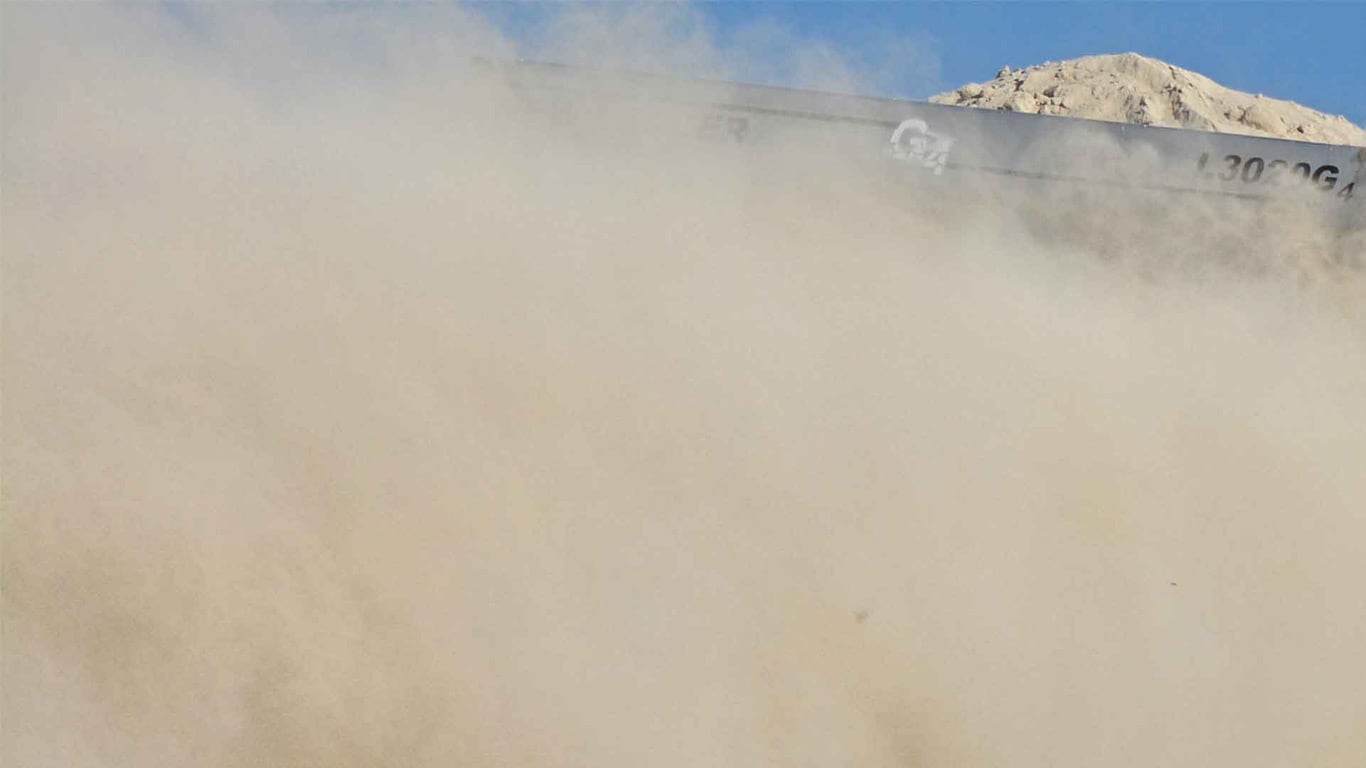
Above. When funds are tight, prioritize liming the "should I or shouldn't I" fields with soil pH of between 5.4 and 5.8, says Arnall. These fields almost always have trouble spots that can be easily corrected with a variable rate application.
Prioritize fields. If you haven't soil tested fields yet this spring and are hesitant to do so because of the cost, Arnall recommends applying lime to fields with soil pH of 5.5 or lower, then grid sample the "should I or shouldn't I" fields—those right on the cusp of needing lime.
"The soil test is a mathematical average. Half the field is below average, and half above. You'll only lime half the field," he says. For those fields, variable rate lime application is a must; the targeted application saves money and treats the most problematic areas.
Remember that ag lime is a costly product to haul, and product availability may be tight in some regions.
Herbicide help. Soil pH significantly influences the effectiveness of herbicides. Atrazine breaks down very fast under low pH. Sulfonylurea herbicides, such as Glean and Finesse in wheat, also don't perform as well in low pH soils. Soil pH levels of 6.8 or higher tend to increase herbicide activity and can boost the risk of crop injury or carryover potential, add agronomists with the Noble Research Institute.
Easy fixes. Because lime takes time in the soil solution to become effective, there are some tricks farmers can deploy to help overcome soil pH challenges.
When soil pH is low, band or apply phosphorus fertilizer in-furrow for corn or grain sorghum. That will help early vigor and protect seedlings from aluminum toxicity.
When margins are tight, he also recommends reducing phosphorus and potassium applications to even less than "maintenance" levels. Take those savings and allocate them to lime, he says.
Lime remains one of the few crop inputs that consistently pays for itself.
Allocating dollars based on budget and crop prices is a wise move, even in years when input prices are high, Arnall says. ‡
More articles related to:
Read More of The Furrow

AGRICULTURE, SPECIALITY/NICHE
Class is in Session
Homestead cooking classes excite the mind, palate, and love of land.

AGRICULTURE, LIVESTOCK/POULTRY
Honing Healthy Acreages
Soil health principles work in pastures big and small.