 A John Deere Publication
Healthy soils produce robust, nutrient-dense vegetation that keeps Nicole Masters' horses healthy and happy. The agroecologist teaches land managers large and small how to encourage thriving pasture ecosystems.
Agriculture, Livestock/Poultry March 01, 2026
Honing Healthy Acreages
Soil health principles work in pastures big and small.
Story and Photos by Martha Mintz
A fluttering strip of electric fence tape trails from a spool mounted on a garden wagon Nicole Masters pulls through the tall grass of her Paradise Valley, Montana, acreage. With the end secured, she retraces her path, stepping in posts to hold the tape.
Creating the grazing paddock for her two horses takes just a few minutes. The strategic plan it's part of, however, will have
a long-term impact on pasture health and productivity.
Masters has already wrought vast improvement on this land since purchasing it in 2022.
"The first year it was 80% bare ground. The second year it was 60%, and this year we're at 40% bare ground," she says.
A veteran agroecologist specializing in soil health and systems, she relished the challenge.
Like all too many small acreages, the 6 acres had likely been severely over grazed at one point. Then it spent years without any grazing at all. Both extremes take a toll.
"Grass is designed to be grazed," she says. While they have a reputation for nipping grass down to the dirt, Masters saw her horses as a tool to rebuild the landscape.
First, the land needed an infusion of organic matter.
Plant residue cools and protects soil surfaces, helping hold moisture. It also benefits insects and microorganisms that cycle nutrients and build soil structure.
Masters bale grazed. Placing large round bales strategically throughout the pasture she aimed for 10-20% of the hay to be trampled—but not wasted.
"In bale grazing what we see is you get seven years of additional plant growth where the bales were left," she says.
Masters boosted diversity by adding seeds for plants like chicory and sheep's burnet (a forage herb) to her horses' mineral. They did the seeding for her.
"We get higher germination rates going through horses," she says.
Forage seems thriving at a distance, but it's still in survival mode.
"When you look down in it, it's still pretty open. The grass is sparse with very long internodes," she says. Stressed plants focus on setting seed fast, not producing leaves. "I want plant density and quality to increase."
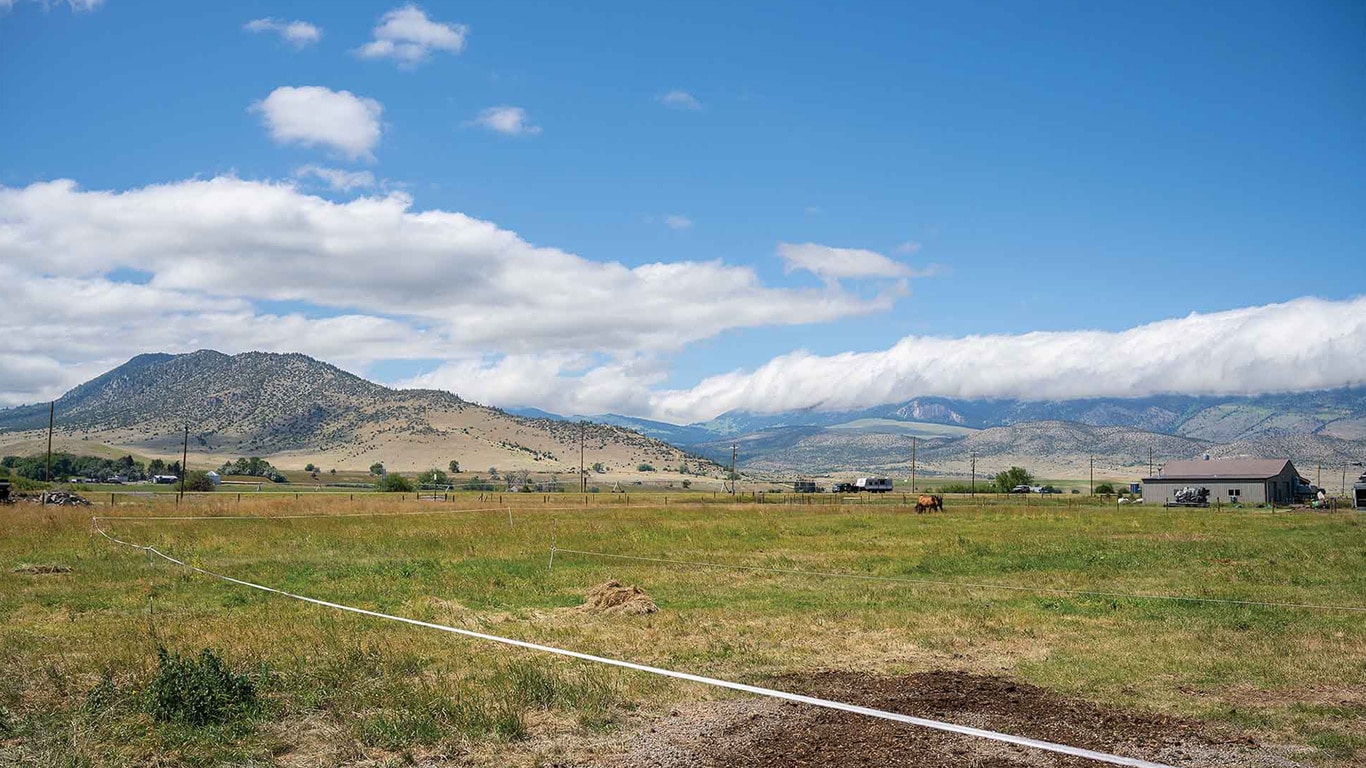
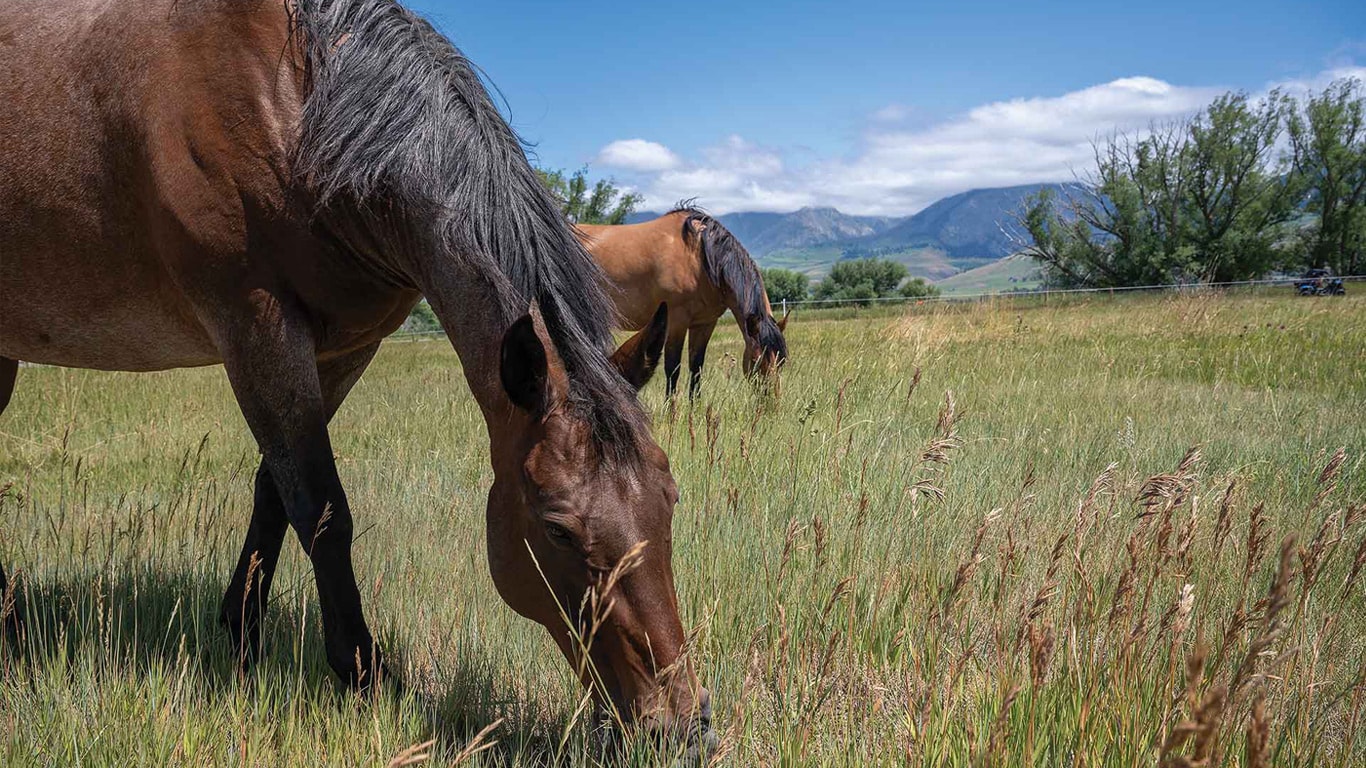
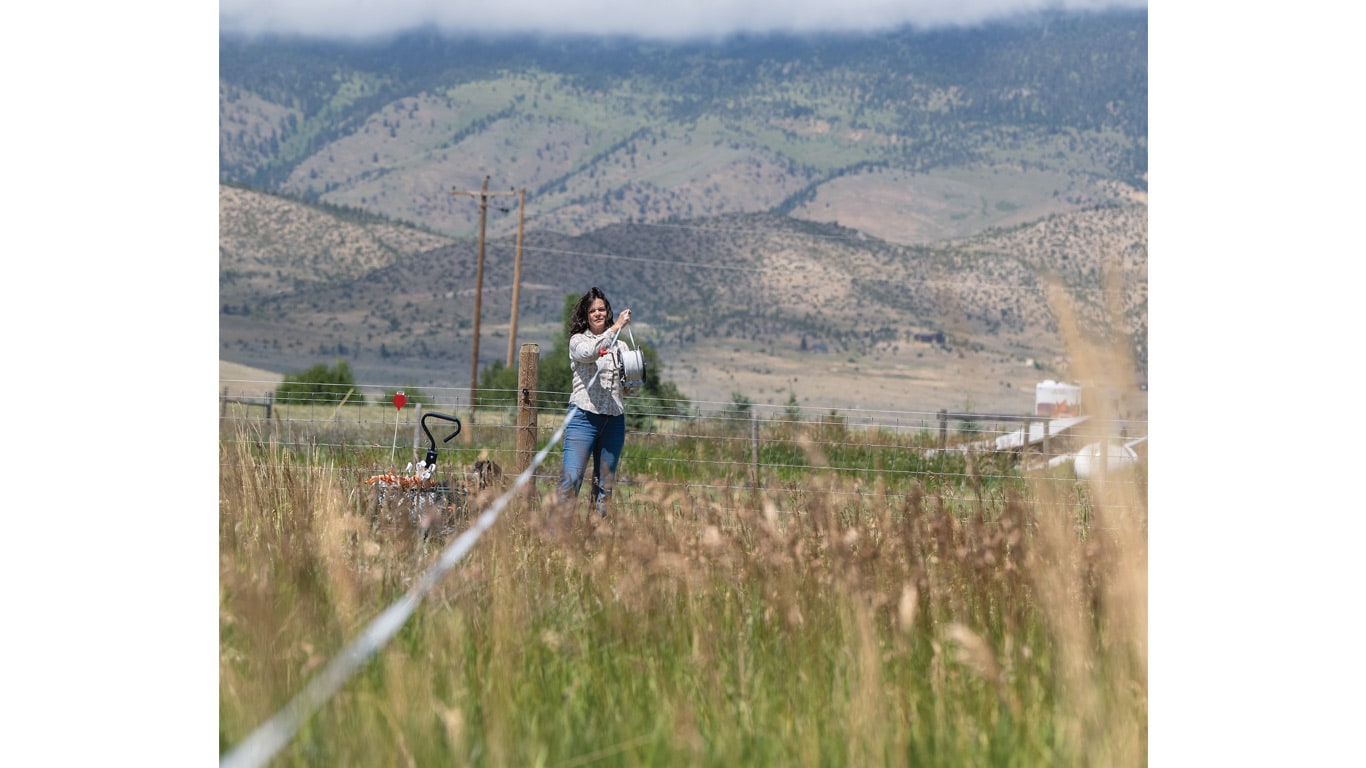
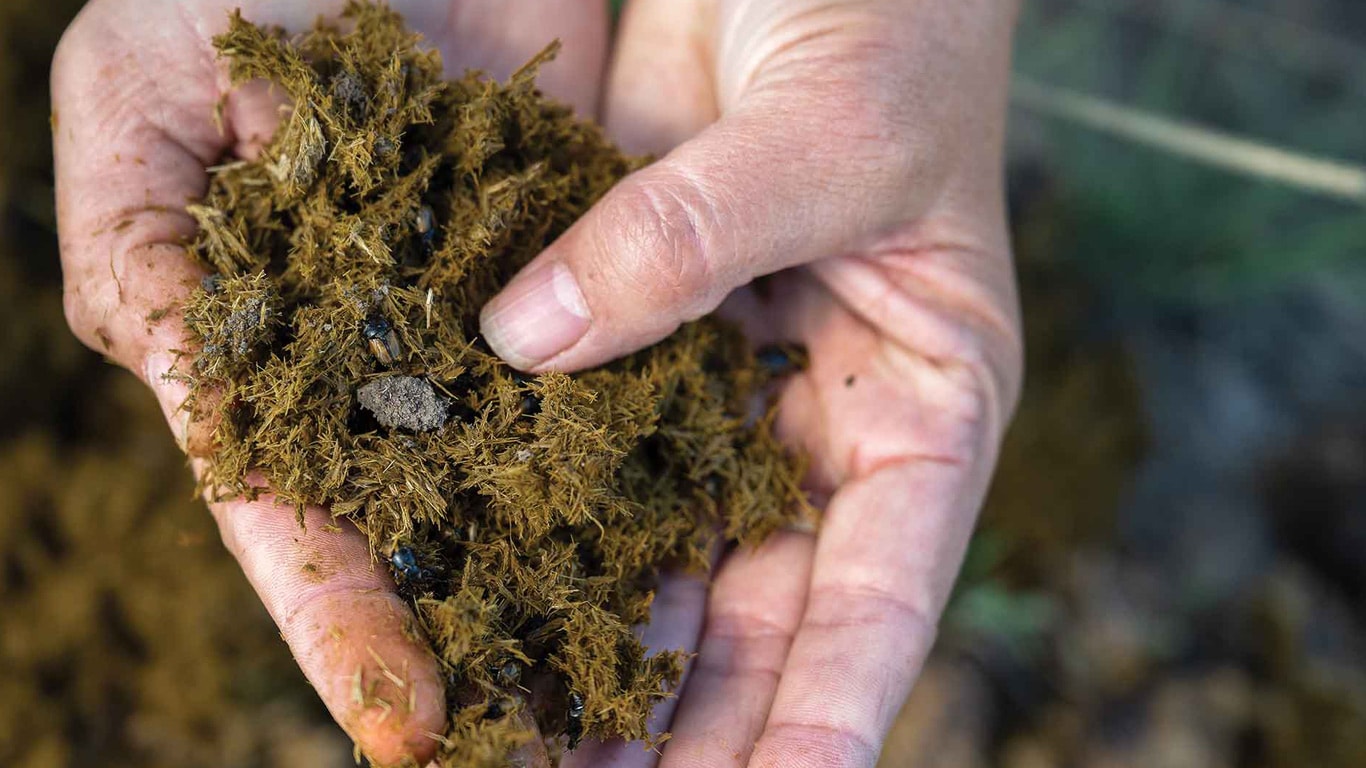
Above. Temporary electric fencing controls grazing patterns. A thriving pasture ecosystem sees livestock, birds, and even dung beetles mutually benefiting. Manure decomposes rapidly on Masters' acreage. Within 48 hours it's odorless and crumbles when handled, revealing hundreds of dung beetles quickly returning nutrients to the soil.
Leveling up. Controlled grazing boosts a pasture system. With proper rest, plants establish strong root systems. Deep roots support resiliency and make for plants that produce more forage.
The goal is to focus grazing on one area for a short amount of time using temporary fencing. Once grazed, the area is allowed to recover, sometimes even for a full year, while the livestock moves on to the next small paddock.
"With adequate rest you'll increase the forage available in the long run and have healthier animals," Masters says.
Horses can meet their nutritional needs in just four hours of quality grazing, but will keep eating for gut fill, she says. In high-quality pasture this can lead to health issues like founder.
Instead of an all-you-can-eat buffet, Masters limits her horses to a few hours of grazing in the morning and again in the afternoon. The rest of the time is spent in a loafing pad. Her horses are healthier and so are her pastures.
This is just the tip of the iceberg for Masters' regenerative strategies. She also planted trees, installed bird boxes, and used a chicken tractor to move her flock of chickens around the property.
Bird manure provides valuable soil building nutrients, like bio-available nitrogen, phosphorus and boron. "I want birds! I want the free fertilizer," she says. As the ecosystem builds, insects increase and even more birds come.
She also feeds humates with mineral. Humates have long carbon chains that are good for animals and really good for the soil and building soil carbon, she says. From soil and forage testing to composting, the list goes on and on.
Masters offers an online "Soil Horse Course" to share her experience with other horse lovers. ‡
More articles related to:
Read More of The Furrow
AGRICULTURE, SPECIALTY/NICHE
Juicy Front Yard
Finding a wild vine led to a family project.