 A John Deere Publication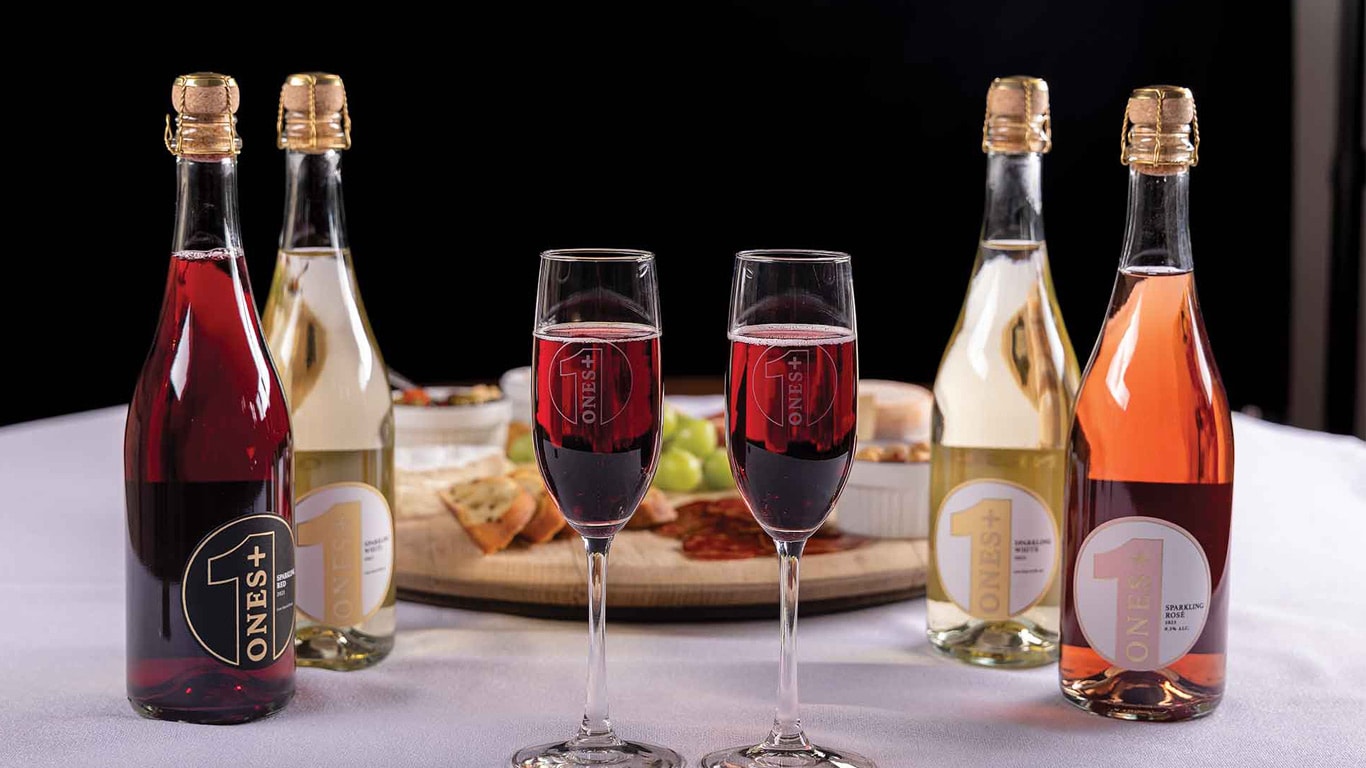
Alcohol consumption in Canada and the U.S. has declined steadily for the past three years. Young people and women especially are drinking less.
Agriculture, Specialty/Niche March 01, 2026
Alcohol Free
Hot trend opens up new market opportunities.
Story and Photos by Lorne McClinton
People across North America are drinking less alcohol, a lot less alcohol. Dry January and Sober October challenges have soared in popularity. An August 2025 Gallup Poll found that only 54% of Americans self-reported consuming alcohol and those who do consume it are drinking less. That's the lowest percentage their polls have found in 86 years of data. The steepest drop was found among young people, age 18 to 34, and women. It's not a one-time blip; it's the third consecutive year it showed a decline. It's not clear why this is occurring, many cite health concerns.
Reduced consumption isn't just an American phenomenon either, all tents at Munich, Germany's famous Oktoberfest have had non-alcoholic beer on the menu since 2024. Alcohol sales in Canada by volume decreased by 3.8% in the fiscal year ending March 31st 2024; it's the steepest drop on record. Sales of beer, wine, and spirits all declined. That's bad news for breweries, wineries, cideries, distillers, and the farmers that supply the ingredients they depend on.
But, in a classic example of the old saying, 'when one door closes, another opens,' sales of non-alcoholic beer, wine, and mocktails have soared. The no-alcohol and low-alcohol segments are booming! IWSR, a global drinks data provider, is forecasting the U.S. non-alcohol market will have an 18% CAGR (compound annual growth rate) volume from 2024 to 2028. Other data shows that low and no-alcohol product launches in the U.S. grew by 11%, faster than the overall alcoholic beverage market in the past five years.
For Canada's first and largest de-alcoholized winery, Ones, based in Summerland, British Columbia, the change in consumer taste couldn't have come along at a better time. Cofounders Tyler Harlton, Taylor Gwynne, and Chris Pagliocchini are riding a wave many in the beverage world believe is just getting started.
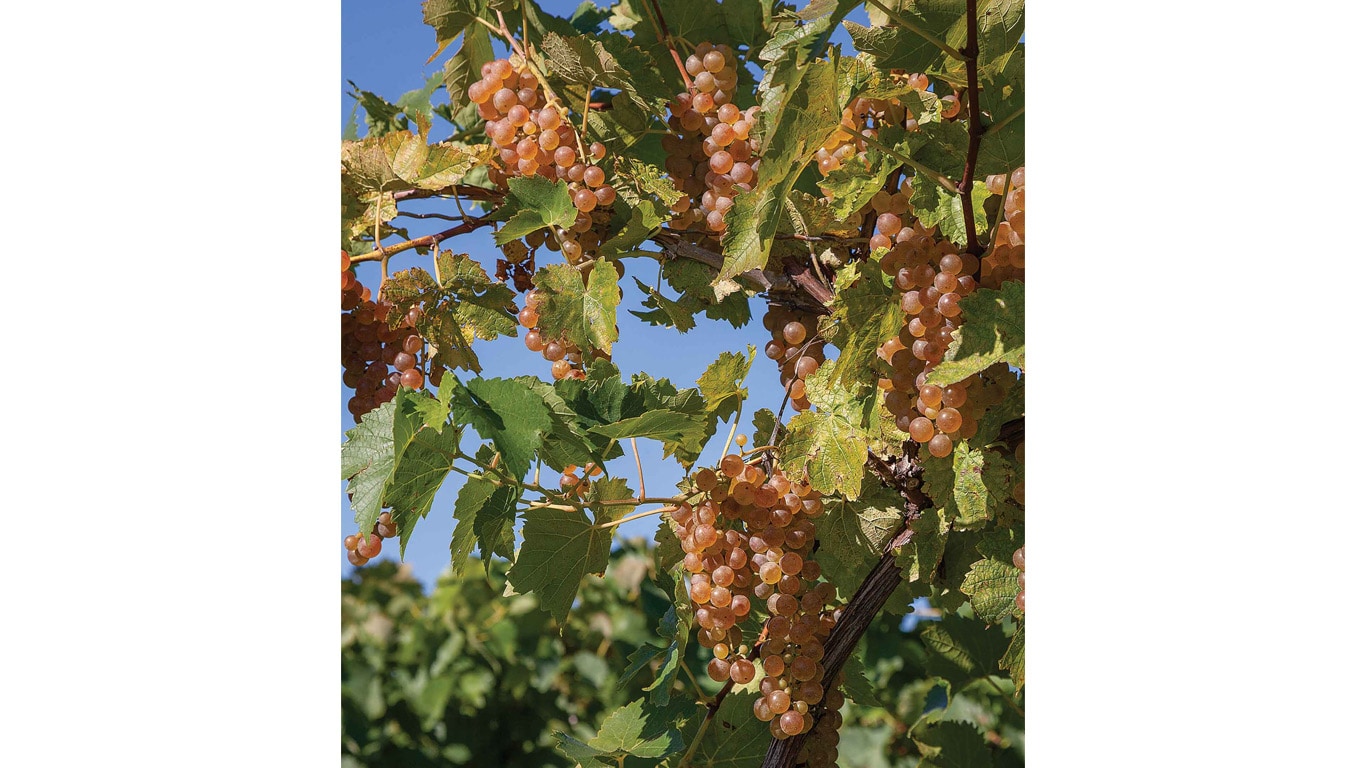
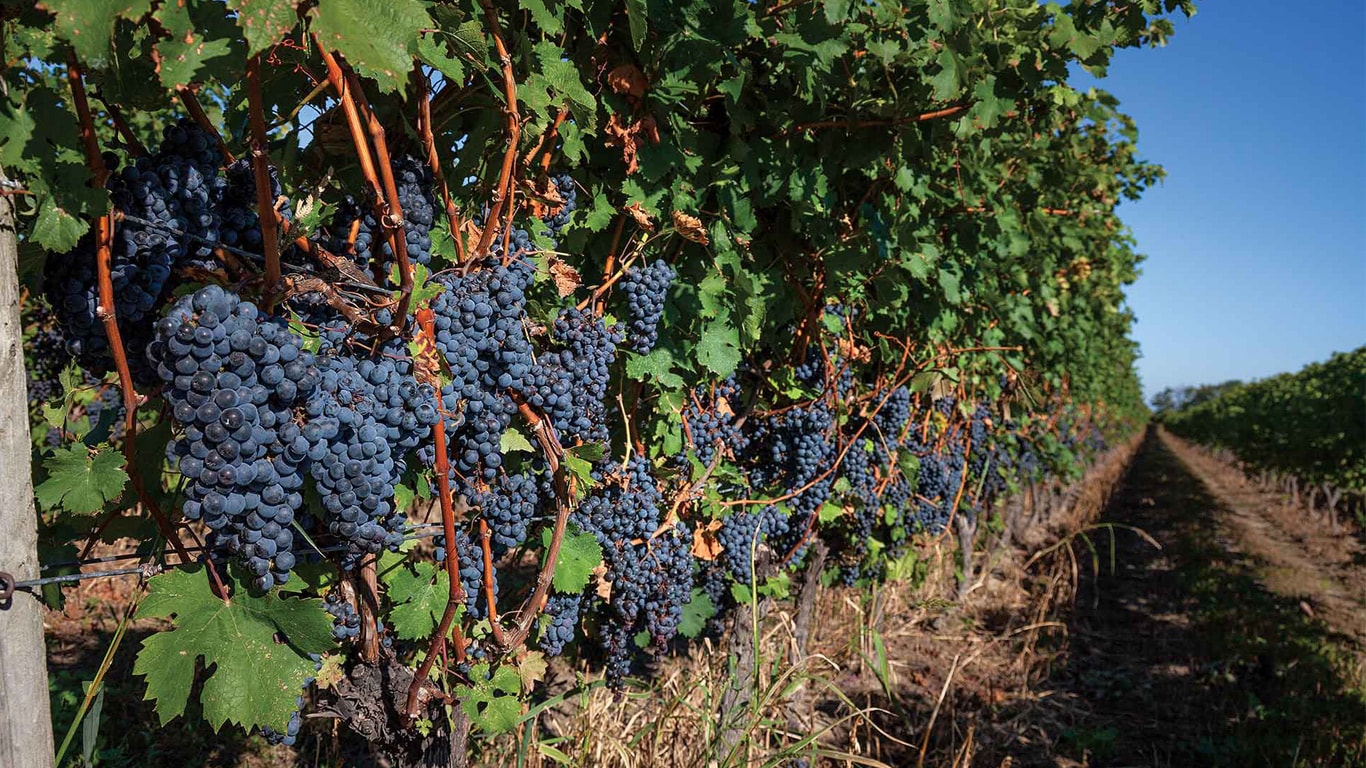
"We're taking premium wine, made with BC Okanagan and Ontario grapes, removing the alcohol using reverse osmosis, to make .5% dealcoholized wine," Harlton says. "There are many no-alcohol wines [also called non alc wines] on the market that aren't made from wine. But starting with wine gives us those nice wine flavors that only come through the process of fermentation. It's kind of our secret, it's what distinguishes us and what makes us different. We also currently have the only Canadian non alc wines on the market that don't add either juice or sugar to the finished product."
Right from the start they proved to be remarkably popular. They brought a few early samples to the local farmers' market and they were snapped up almost immediately. Their first production sold out. They doubled production, then doubled it again, selling out both times. That's when the three partners realized the idea had a lot of potential. Their business is just three years old and it's already selling the equivalent volume of a larger Okanagan winery. Customers can now buy their sparkling whites, reds, and rosés in some grocery stores, specialty shops, and liquor outlets across Canada.
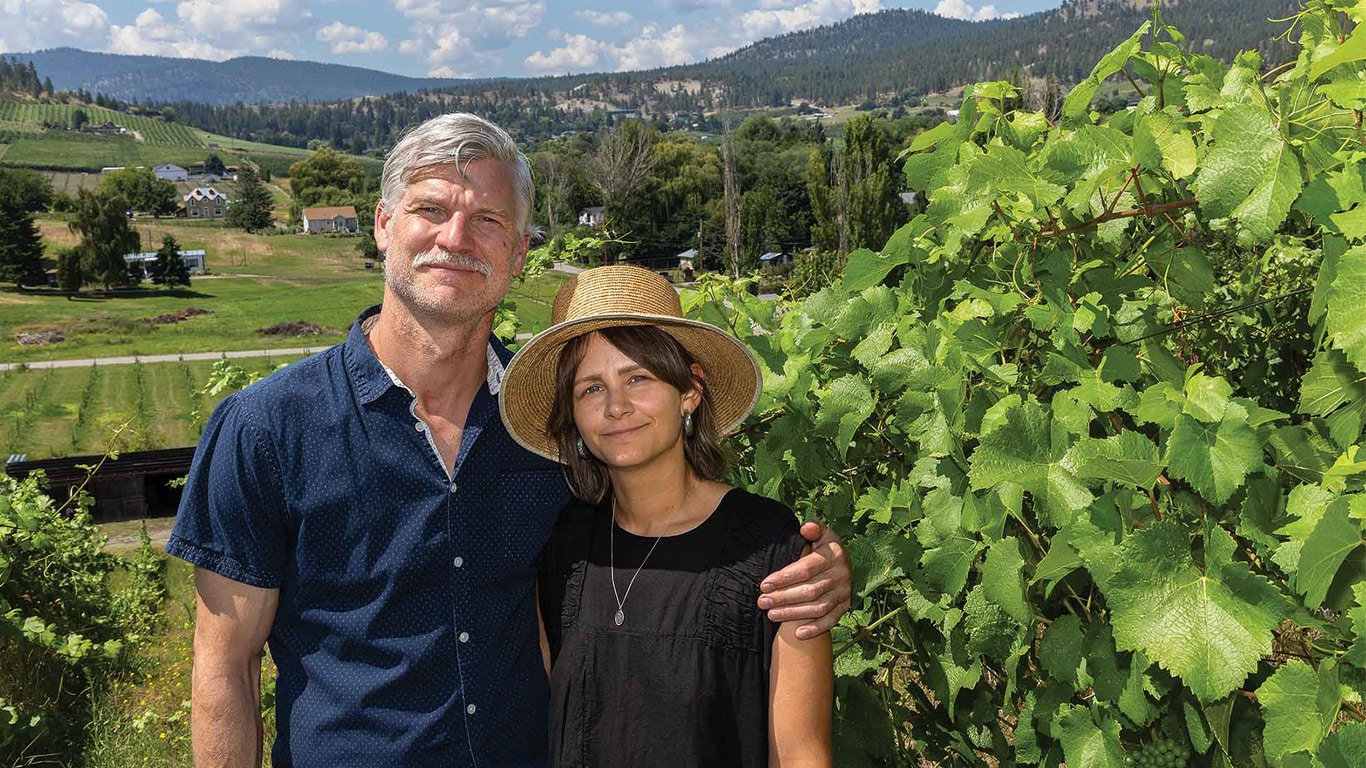
Above. Tyler Harlton, Taylor Gwynne, and Chris Pagliocchini (not pictured) could hardly have chosen a better time to launch Ones, Canada's first and largest de-alcoholized winery. Ones' non alc wines found a market right from the start. Their first tests at the local farmers' market flew out of their booth. Their first run sold out immediately, as did their next two, that's when they knew they had a business.
A tougher problem. Harlton says there are lots of very good tasting low and no alc beer and mocktail options on the market, but creating no alc wines that live up to wine drinkers' expectations has been a tougher problem to solve. Some of it is because of how no alc wines are made and partially it's because wine drinkers—especially red wine aficionados—have very definite preferences. If you are expecting a non alc wine with the rich, full-bodied flavor of an Argentine Malbec, you might be disappointed.
"Wine makers have tried to solve this in different ways," Harlton says. "Some add a lot of sugar to give them a better mouth feel because people like sugar. Check the nutrition label on the bottle, sometimes you'll be amazed at how much sugar has been added. We have chosen not to go that route partially because our goal is to create non alc wines that taste like wine."
"We feel heavily sweetened products don't belong on the table," Taylor Gwynne says. "You're generally not thinking of pairing your food with pop, you want to be pairing it with wine, because you want to enjoy it in a way that makes you think of wine."
Gwynne says they've done market research into who is buying their wine and found their customers don't fall into any single group. Their customers know the product they're drinking won't be a 14% alcohol full-bodied wine, but they still want to retain the ritual that goes with drinking one.
It's important to remember that everyone has a slightly different wine preference, Harlton says. There are lots of different products on the market, so if you get an opportunity to go to a store that offers tastings, you could find one you really enjoy.
"We're only three years old," he adds. "All of this is still new. We're still learning and refining our process, so our products are only going to keep getting better." ‡
More articles related to:
Read More of The Furrow
AGRICULTURE, RURAL LIVING
Renata's Garden
She brings plants to the people.
AGRICULTURE, SPECIALTY/NICHE
Haskap Pioneer
Finding a footing for berries in Montana.