 A John Deere Publication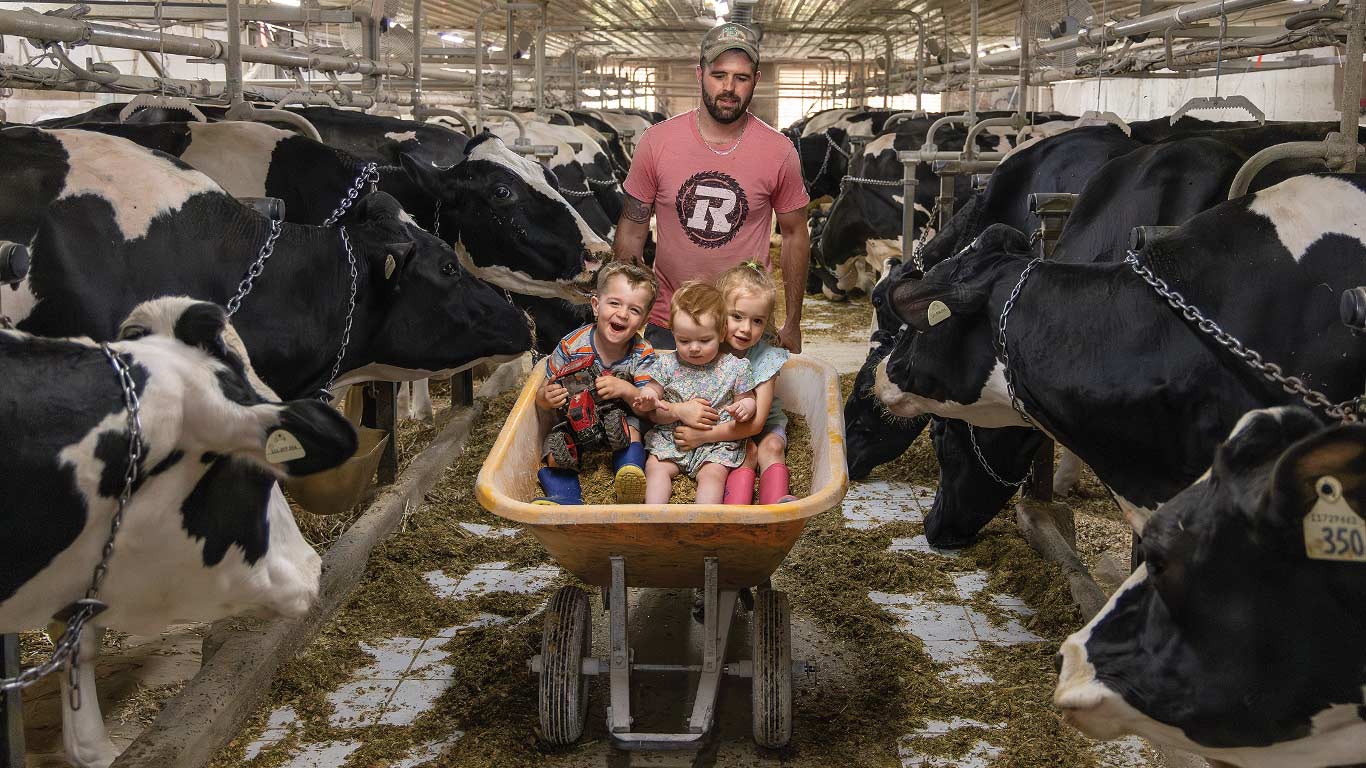
Jonathan Reilley gives his children Evelyne (4), Thomas (3) and Lily-Anne (1) a ride through the dairy in the feedcart.
Agriculture, Livestock/Poultry January 01, 2026
A Stepping Stone
Renting first farm opened a bittersweet path to better opportunities.
Story and Photos by Lorne McClinton
The countdown is on. By the time this story comes out in January 2026 Jonathan Reilley and his partner Julie Reber's first dairy farm will be well on its way to becoming a memory. They're selling their cows and quota at their leased farm in Plaisance, Quebec, in October 2025 and preparing to join a newer, larger operation an hour's drive away. The farm gave them the leg up they needed to get into dairy.
Starting a dairy farm from scratch in Canada is almost unheard of these days. Quota is scarce and expensive, land prices are sky-high, and banks rarely gamble on young dreamers without a family farm legacy behind them. Yet Jonathan and Julie are two of the rare ones who were able to beat the odds.
In 2018, at age 29, Jonathan became the proud owner of 55 kilograms of milk quota, a herd of cows, a small line of older farm machinery, and leased a farm he found in a social media posting.
The place wasn't perfect and he hadn't even heard of the town of Plaisance before he spotted the listing. Still it was a start and the barn was very functional. It had improvements like new stalls, lighting, and pasture mats. He called his farm Wilvoc Holsteins, in memory of his grandfather Wilfrid, the hardest-working man he'd ever known.
"It took a lot of door knocking to make this happen," Jonathan says. "My dad [a retired ag mechanic from Hawksbury, Ontario] was the easiest person to convince. He believed in me from day one. I couldn't have done it without him. When I started, all I had was a pickup loan and had money on my VISA card. The only way the bank even looked at me was because Dad put up his house as collateral. I knew that if things went badly, he'd lose it and have to move into an apartment. That kept me awake more nights than I can count."
The first years his credit was so maxed out lenders wouldn't consider lending him an extra $200,000 to buy the house that had been severed from the farm property. They just looked at the numbers and said they wouldn't give him a dollar extra until he proved himself to them.
What Jonathan lacked in startup capital he made up for with a degree of passion and a drive to succeed few could match. He poured himself into the cows, improving genetics, and squeezing every litre of quality milk possible from the herd. Meeting his partner Julie, a veterinary technician who worked for his landlord, made a huge difference. She had grown up on a dairy farm and understood the daily grind of dairy life better than he did.
Banks were cautious and new loans were hard to come by for the first three years. But after that they had the solid numbers behind them to prove that they could meet and even surpass their financial targets. Jonathan and Julie started to breathe a little easier. They were able to make some small improvements and picked up an extra 20 kilograms of quota.
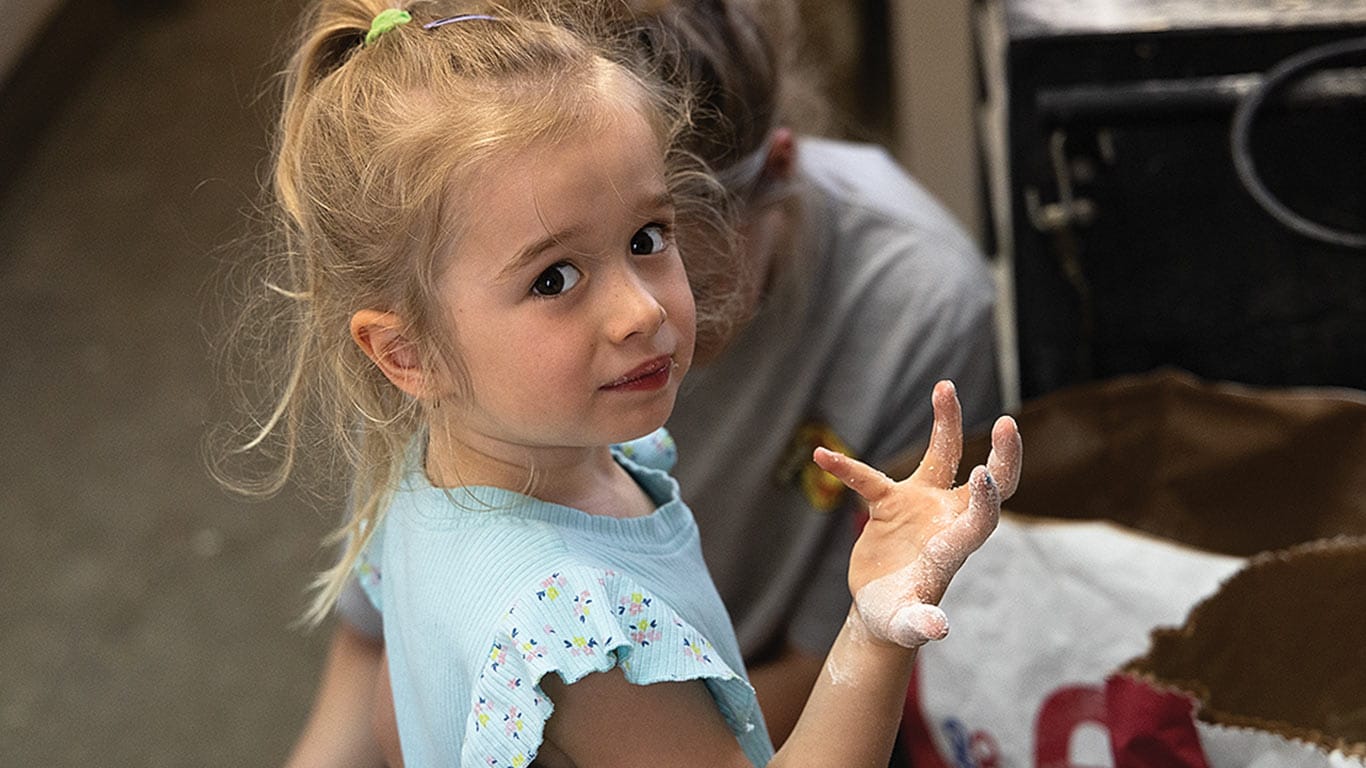
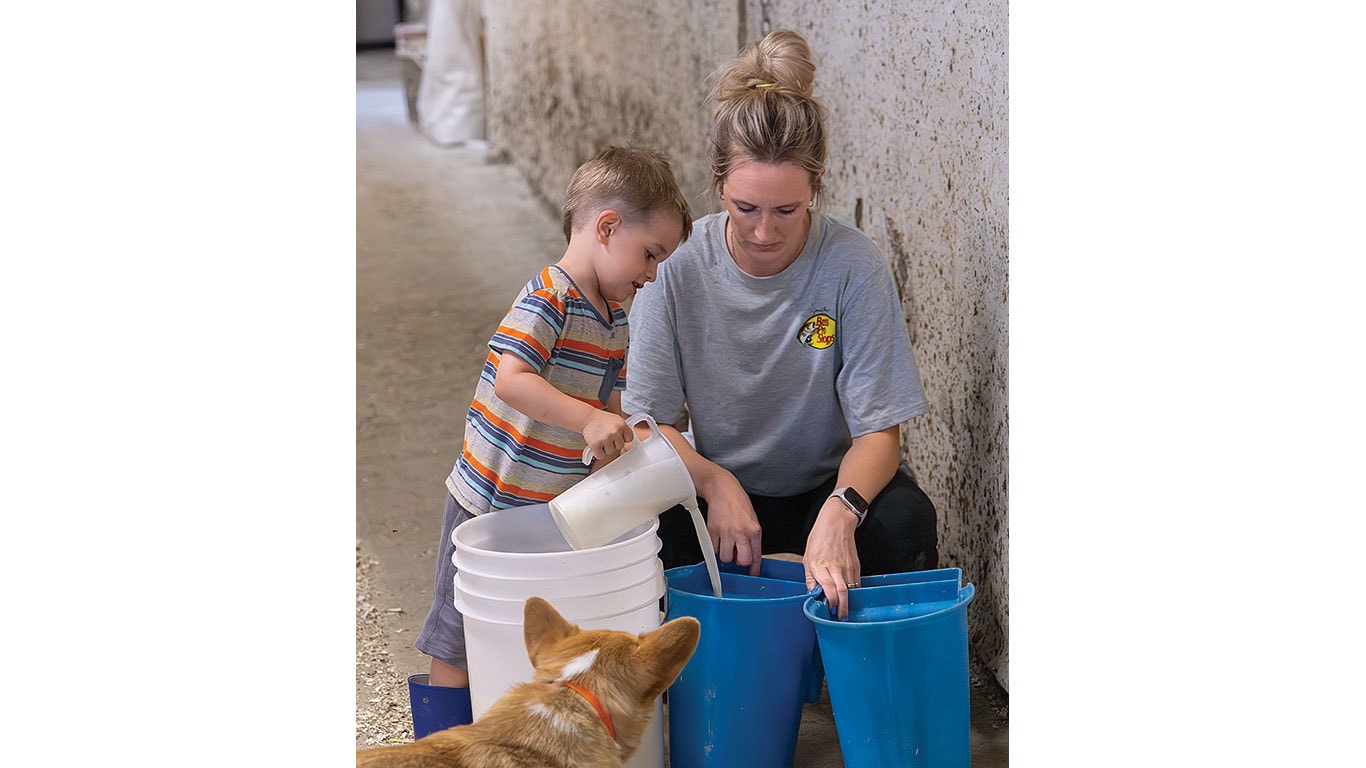
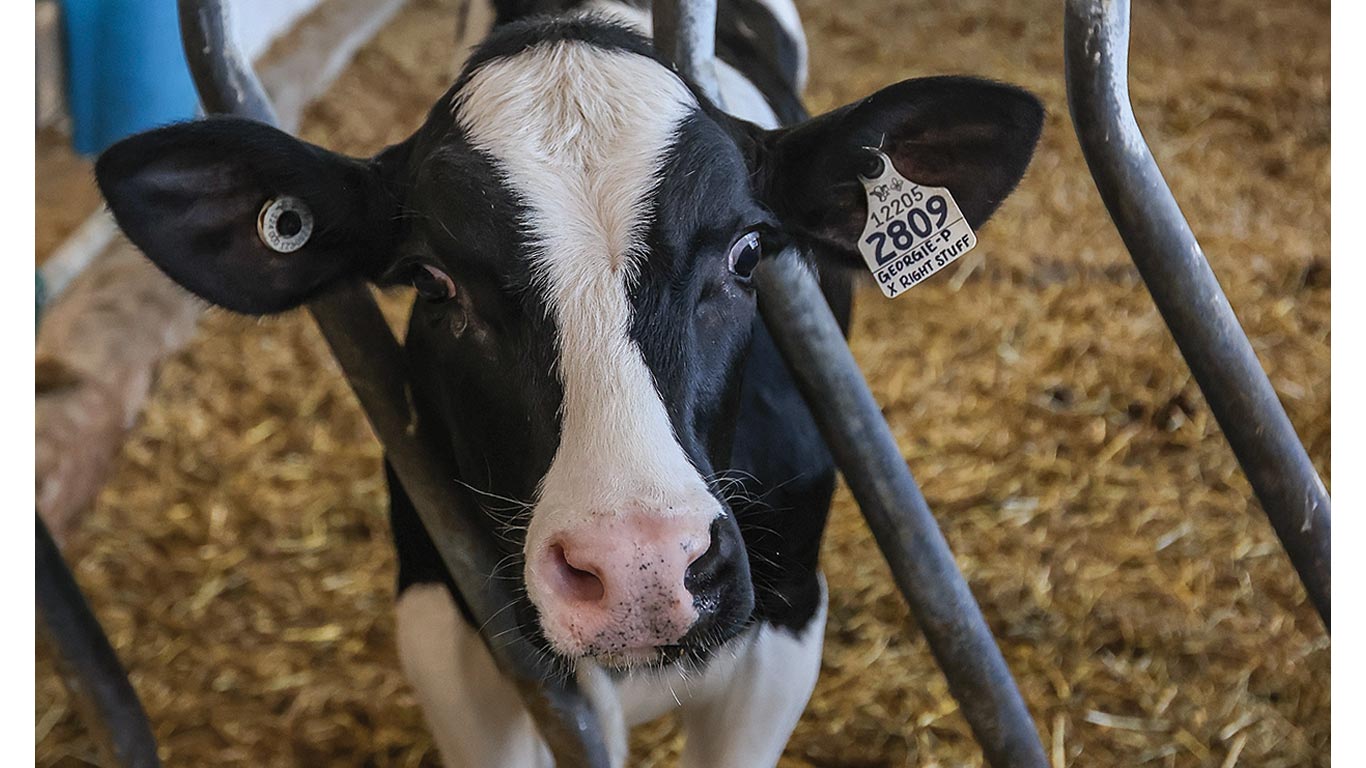
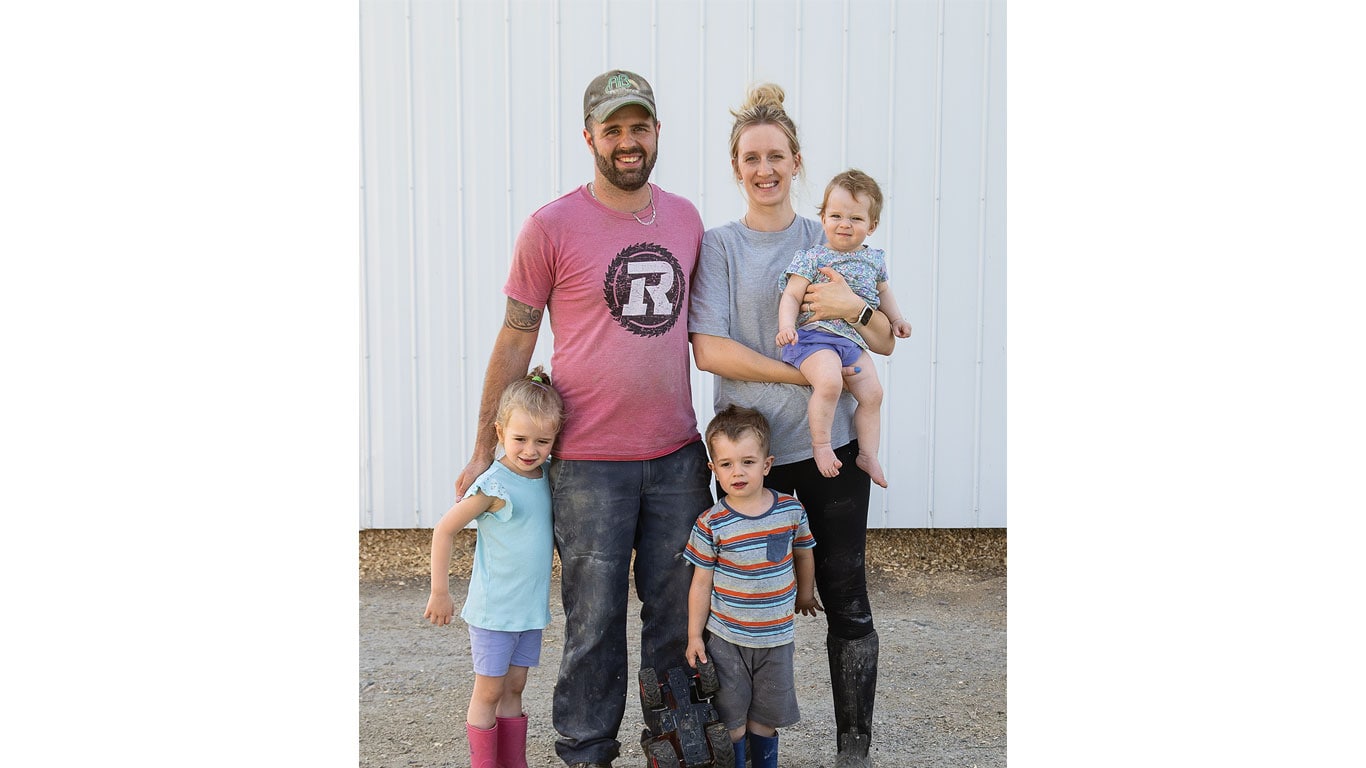
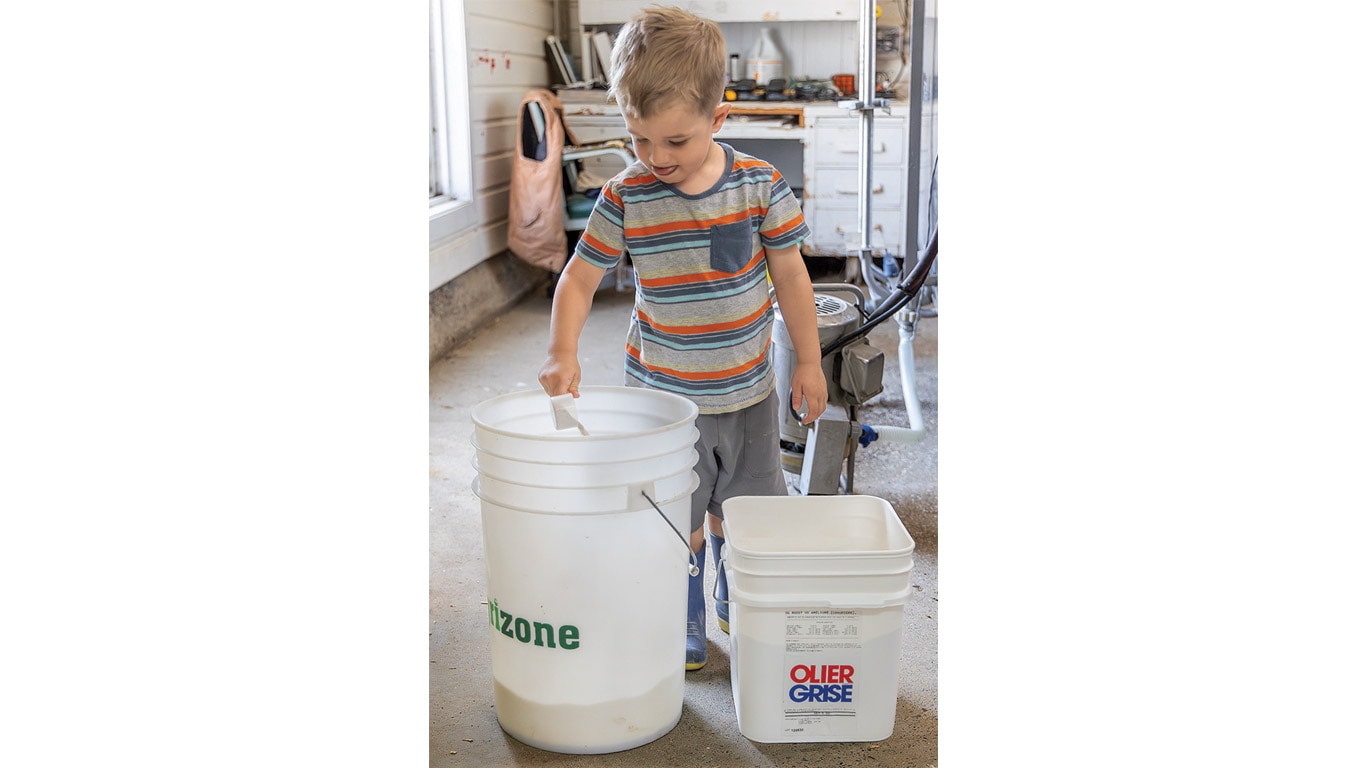
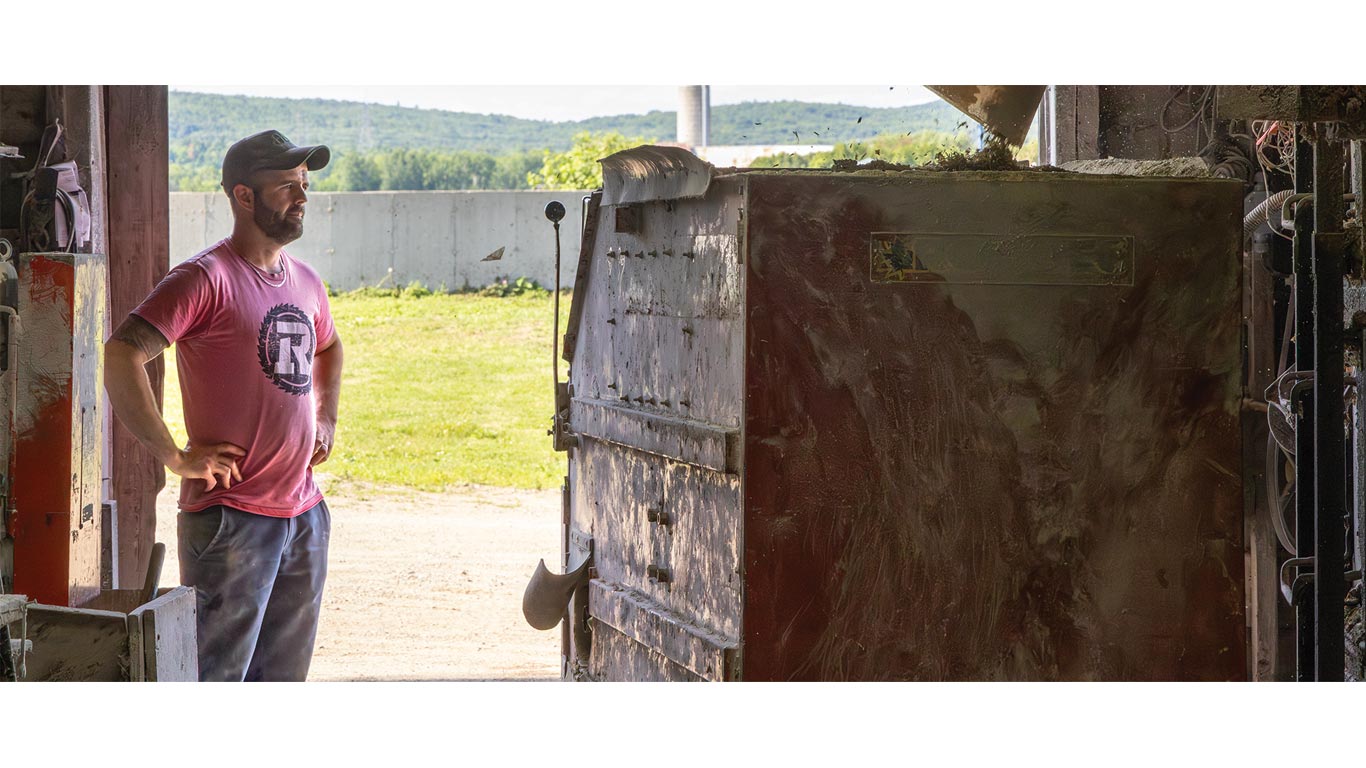
Above. Jonathan Reilley and Julie Reber's first farm, Wilvoc Holsteins, is fading into memory, but they'll always have fond memories of the place that gave them their start and where their three children were born. Selling their first farm to buy into a new location feels like the right thing to do, Jonathan says. He's pushed his current facility as far as it can go so the next logical step is to move to a place that has more room to grow.
Heavy workload. But the workload was grueling. Jonathan slogged through 70- to 75-hour work weeks. Julie helped with the milking and the calves when she could. But she had her hands full raising their three young children that had come along practically back to back.
A woman from the neighborhood came in to help with the calves three days a week for three years but had to resign to look after her ailing mother. Fortunately, Julie landed another hard-working young man with an ad on Facebook. He now comes in and helps with the evening milking.
All their hard work didn't go unnoticed. While their landlord wouldn't sell them their leased farm he did sing their praises to a couple dairy farming brothers he knew that were nearing retirement. Jonathan and Julie struck a deal with them to gradually buy into and take over their much larger farm over the next few years. So now the couple is preparing to move forward.
"It feels like the right thing to do," Jonathan says, eyes lighting up. "I've pushed this barn as far as it can go. The next step is about building something that's more sustainable for the long term."
Julie sees it a little differently. "For Jonathan, this place was always meant to be a starting point," she says. "For me, it's where our kids were born, where we made friends, and where I found community. Leaving is bittersweet."
Jonathan admits he'll miss their neighbors and the friendships they've forged. But he points out they're barely moving an hour away, it's not like they're moving to the end of the earth.
"We'll keep those ties," Jonathan says. "And we're not going to be erasing memories. We're just moving forward."
This first farm was never meant to be their final destination. It was a stepping stone on their path to a promising future. ‡
Read More
AGRICULTURE, EDUCATION
Niche Wheat
Improved dough strength could also boost farmers' bottom lines.
AGRICULTURE, SUSTAINABILITY
Behind the Rusted Gate
Passion for local farms spurs demonstration effort.