 A John Deere Publication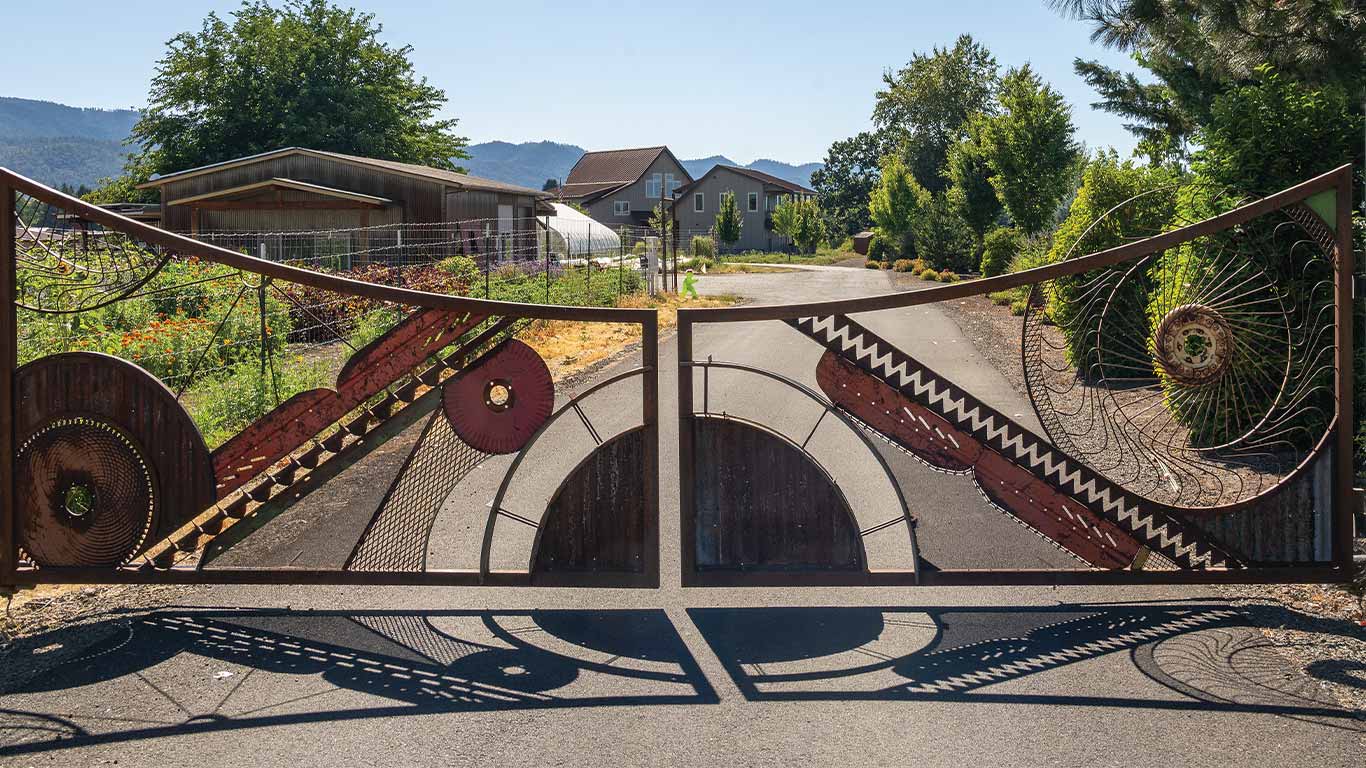
Beautiful metalwork elevates the rusted gates at Rusted Gate Farm.
Agriculture, Sustainability January 01, 2026
Behind the Rusted Gate
Passion for local farms spurs demonstration effort.
Story and Photos by Steve Werblow
In 2014, impact investor and philanthropist Christy Walton purchased the first of several family farms and ranches in Central Point, Oregon. Her goal was to save the properties from expanding cannabis plantings and urban growth boundaries. Then Walton did something exceptional—she created a non-profit to pull together a team of visionaries to explore how ranches like hers can survive in today's economic and ecological climate.
That team is willing to experiment and eager to gather data to guide the industry's way into the future. It is also willing to do the legwork to help the Rogue Valley tackle issues like a lack of slaughter facilities and the search for sustainable new crops. It's thrown open the rusted gate and invited the community in. "It's part of our mission to find out how to reduce costs and increase income," says Jo Ann Shannon, Rusted Gate's founding executive, a land use planner and start-up organizer. "Everything we do is a piece of learning that we can share with our fellow ranchers and farmers here."
From the start, Shannon set a course of extreme practicality. No petting zoos. No far-out practices. No hidden sources of funding to keep unsustainable projects afloat. Just locally feasible ranching and farming, backed by deliberate planning and lots of data.
Data. That was music to Dave Picanso's ears. He had retired after decades of ranch management in California, but joined Rusted Gate to put his love for holistic management and healthy cattle to work one more time.
Now he runs 100 cow/calf pairs and 50 yearlings in a rotational grazing program and puts up nearly 20,000 small bales of hay per season from grassland he and his team are no-till interseeding and intensive grazing. Over the past three years, Picanso has gotten excited about producing kernza—a perennial wheat/wheatgrass cross—for forage, both irrigated and dryland.
"This field we irrigated, it wasn't really what kernza was designed for, but it was better than grass," he says. "We got 3 cuttings, over 4 tons of hay, which is what we shoot for with grass, and it tested way better than grass. Protein, TDN [total digestible nutrients], relative feed value—everything about it was better than grass hay and way better than grain hay, wheat, or triticale."
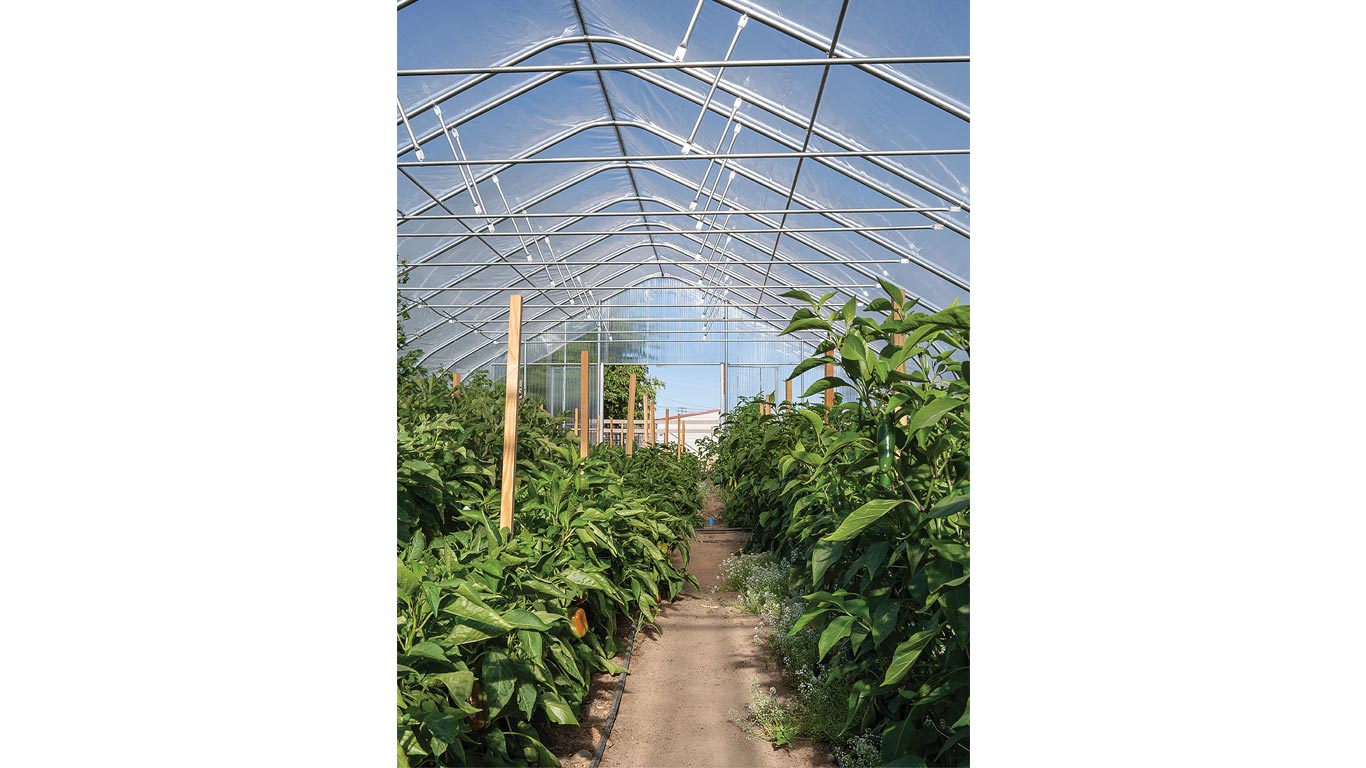
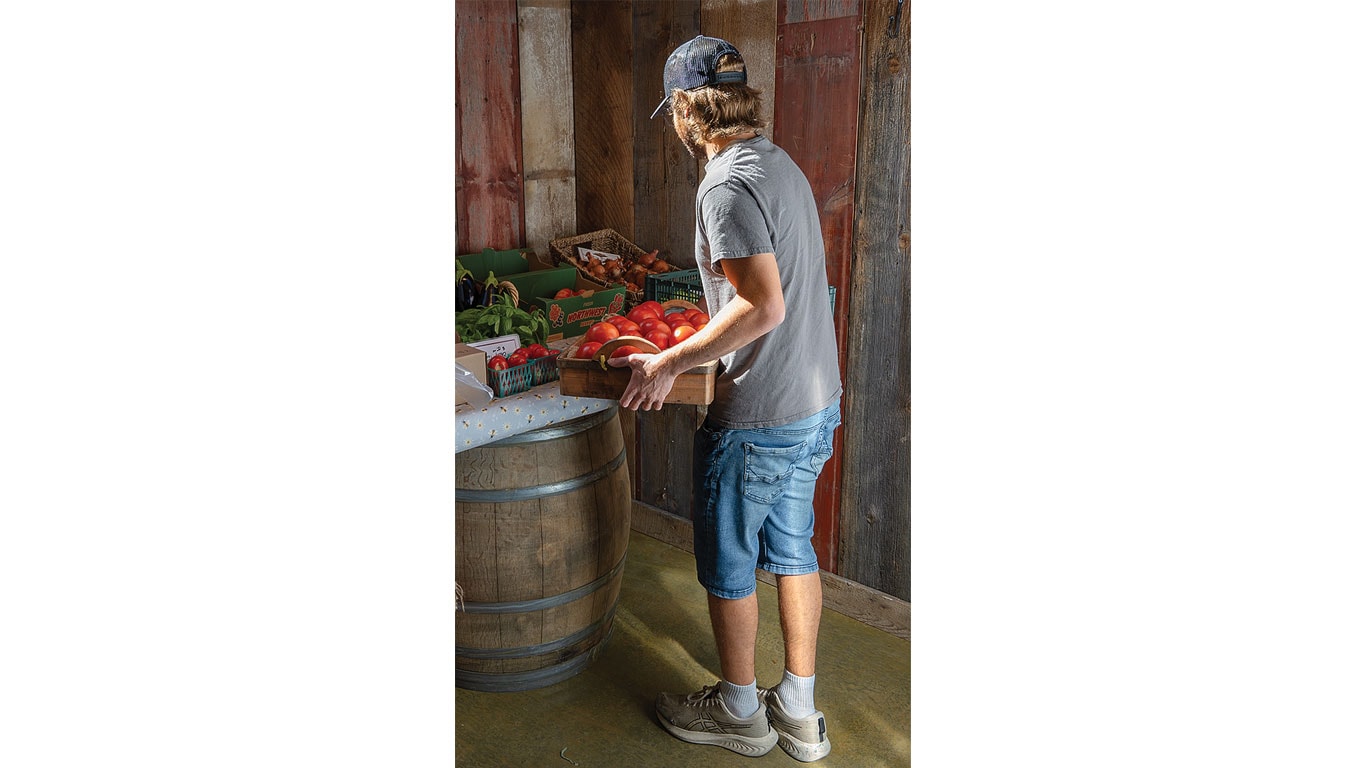
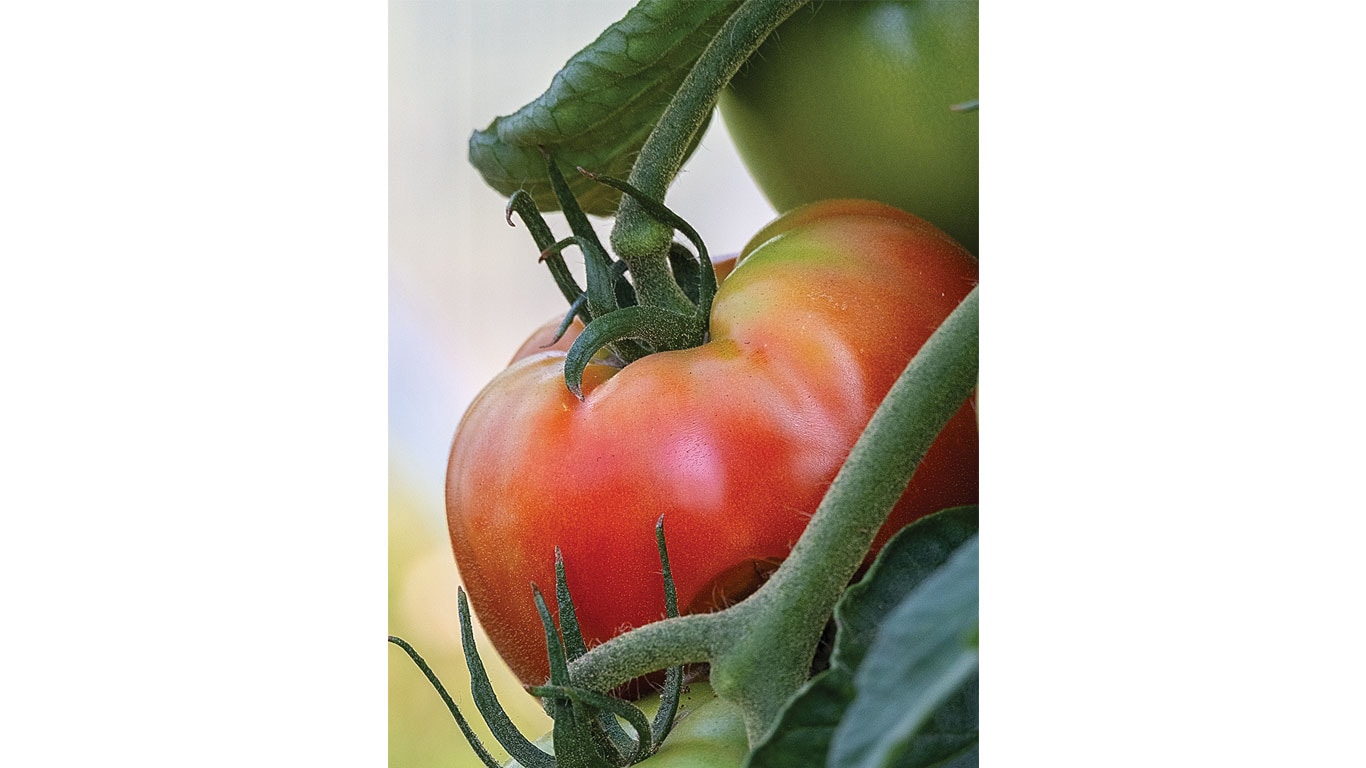
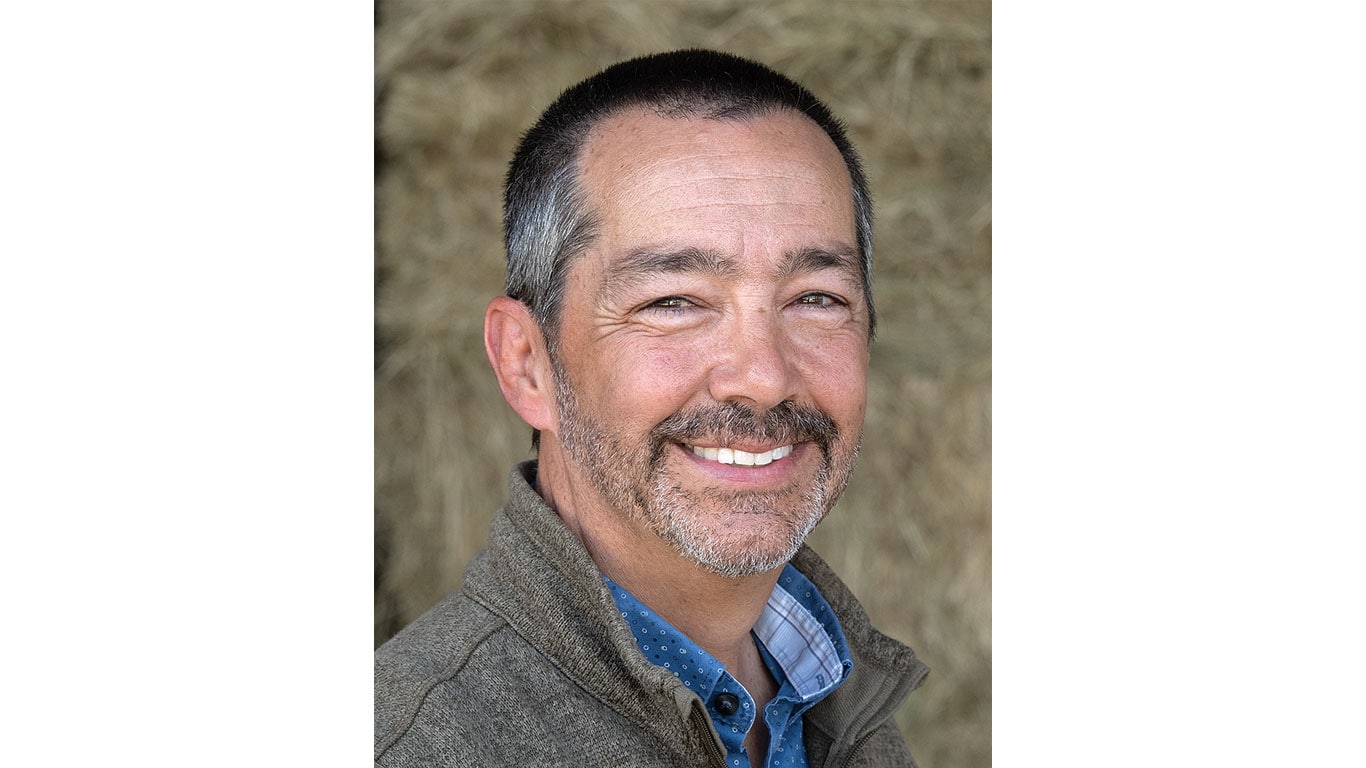
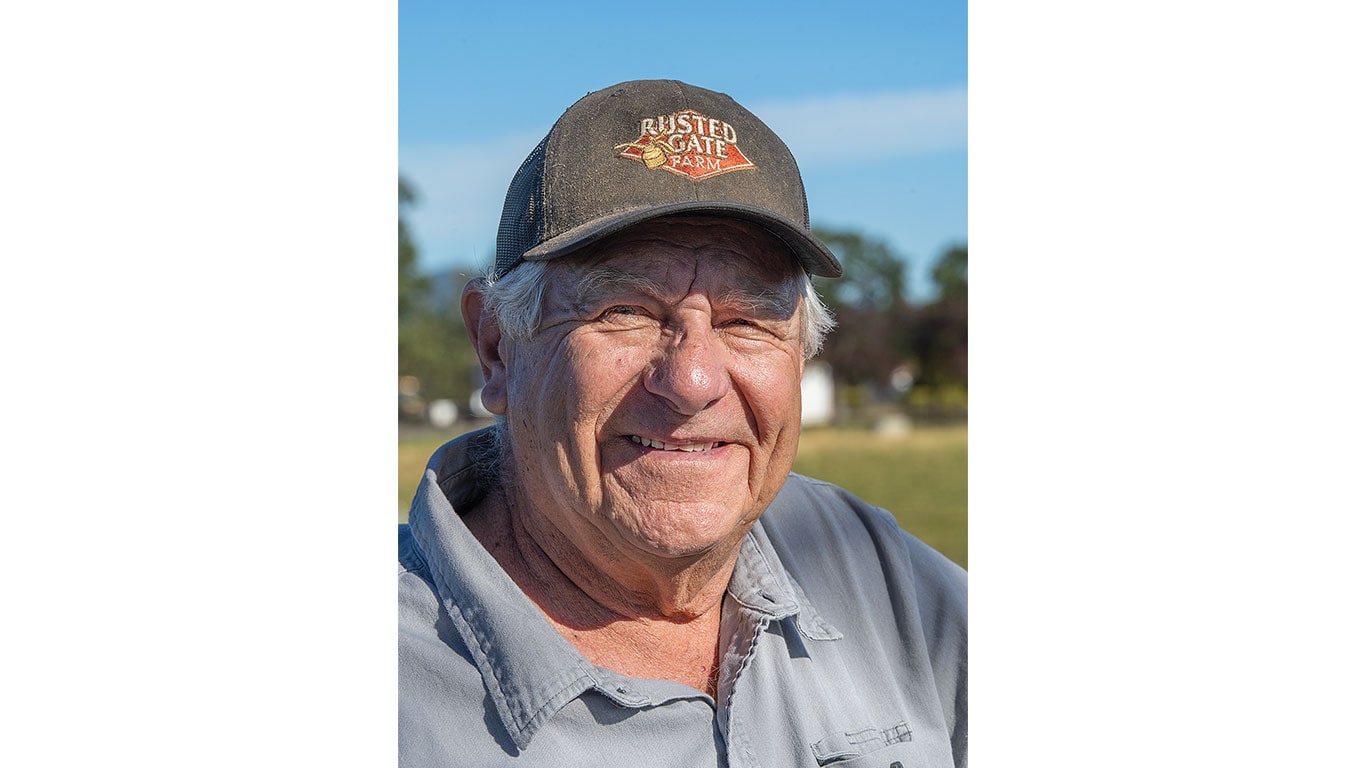
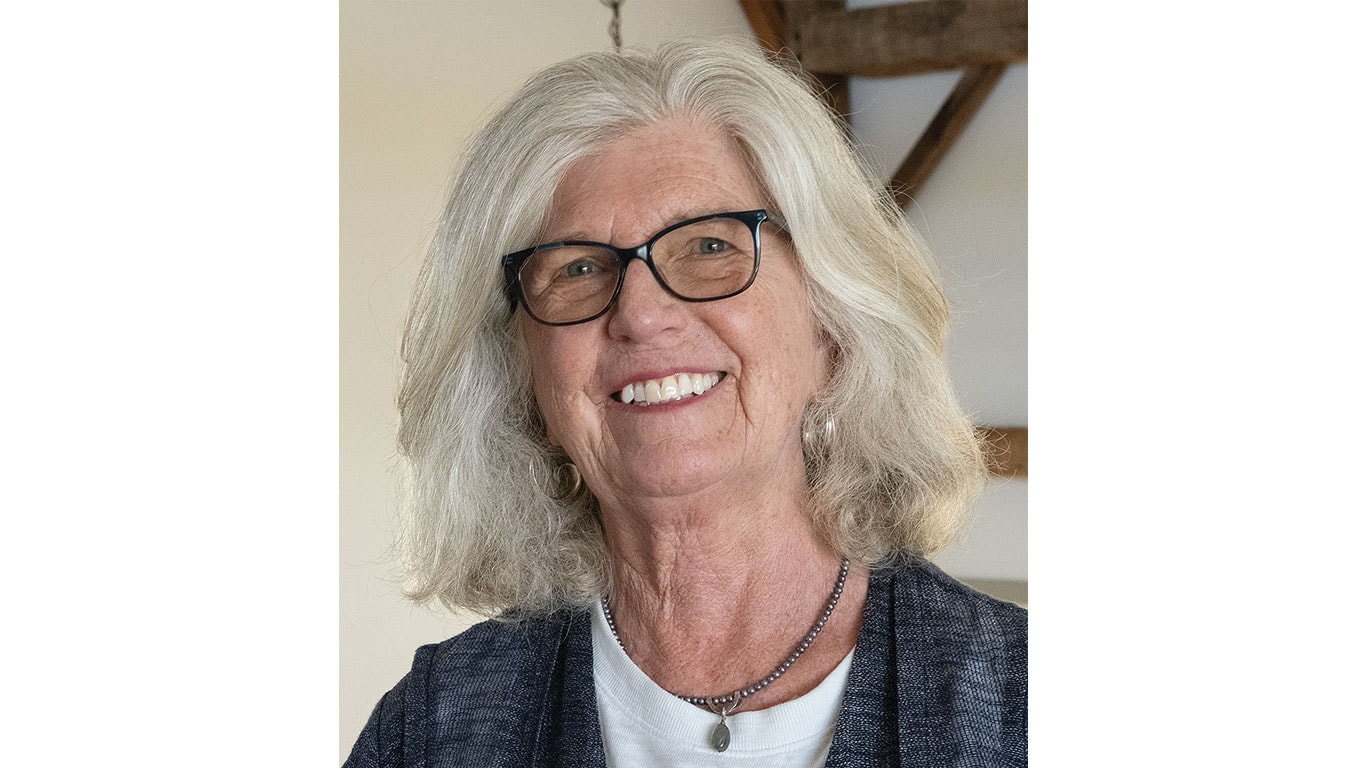
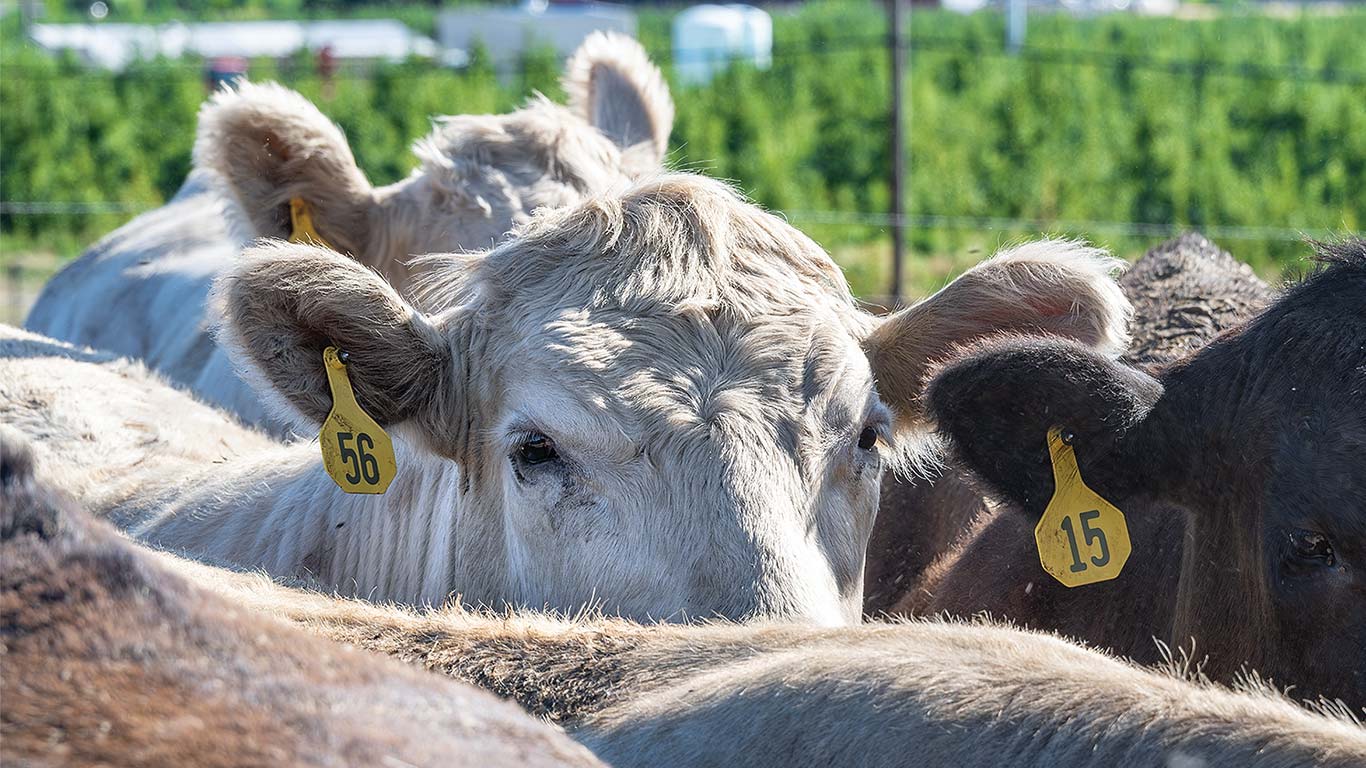
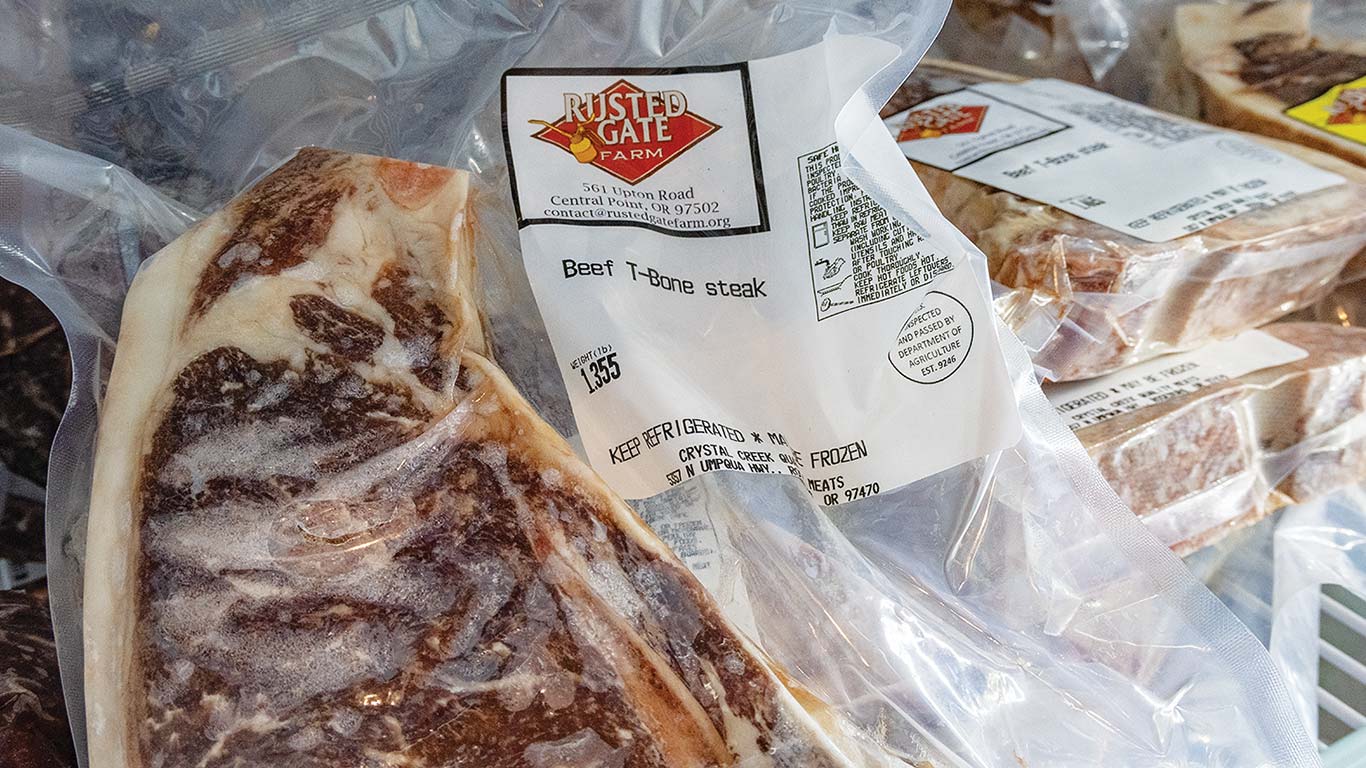
Above. Peppers dominate one of the farm's greenhouses. Stocking the Rusted Gate farm shop. Tomatoes are a huge hit in the hot Oregon summer. John Souza, Dave Picanso, and Jo Ann Shannon continually experiment, connect partners, and reach out to the local community. Rusted Gate beef. The ranch's herd combines Angus, Murray Gray, and even Wagyu genetics.
Processing. All that rangeland and hay yields excellent grass-finished cattle as well as steers that go into a grain-finishing program. But the Rusted Gate team ran into a nightmare scenario familiar to many ranchers around the country: a lack of local, USDA-inspected processing capacity. So they partnered with Montgomery Meats—which had just bought a small, local processor—to site a mobile USDA-inspected slaughter trailer on the farm. It connects to a cooling building that amps up its capacity and allows it to serve the region's ranching community.
But building a slaughterhouse only scratches the surface of a larger, systemic problem plaguing many rural communities, notes John Souza, Rusted Gate's program and outreach manager.
"In order to get meat production going, this isn't Field of Dreams, where you build a facility and they will come," he says. "When local processing goes away, you lose your cutters and butchers, you lose your cold storage facilities, you lose your refrigerated trucks in the area."
So Rusted Gate started a workforce development internship program to help train high schoolers in agriculture and related industries. To reach younger students, the team hosts 120 middle schoolers from a local charter school for a farm-based curriculum during the school year and up to 200 students from the area for summer programs.
Funding. Key to the Rusted Gate Farm mission is earning money just like every farm—by selling its harvest. Its farm store carries Rusted Gate beef, fruits, and vegetables grown by gardens manager Megan Capp, and an array of other local products. The proof of the farm's ideas is in the coolers and in the cash register.
Grants help fund Rusted Gate's research and education. Shannon notes that the farm launched thanks to a "beautiful start-up gift from Christy's Alumbra Innovations Foundation because everyone understood that there's no way you're going to raise money to fix the septic system. Donors want to see the programs and the impacts and the kids." She adds that the farm walks a delicate line in the ways it describes its work to its widely disparate audiences.
"Donors want to see results, and the farmers and ranchers do, too, but the language will be different," Shannon says. "Donors respond to words like 'regenerative.' Many ranchers rankle at that. But in the end, everybody benefits from healthier land and farm and ranch families who succeed at raising healthy food." ‡
Read More
AGRICULTURE, LIVESTOCK/POULTRY
A Stepping Stone
Renting first farm opened a bittersweet path to better opportunities.
AGRICULTURE, EDUCATION
Shoo, Flies!
Effective fly control is a quick way to add pounds to beef.