 A John Deere Publication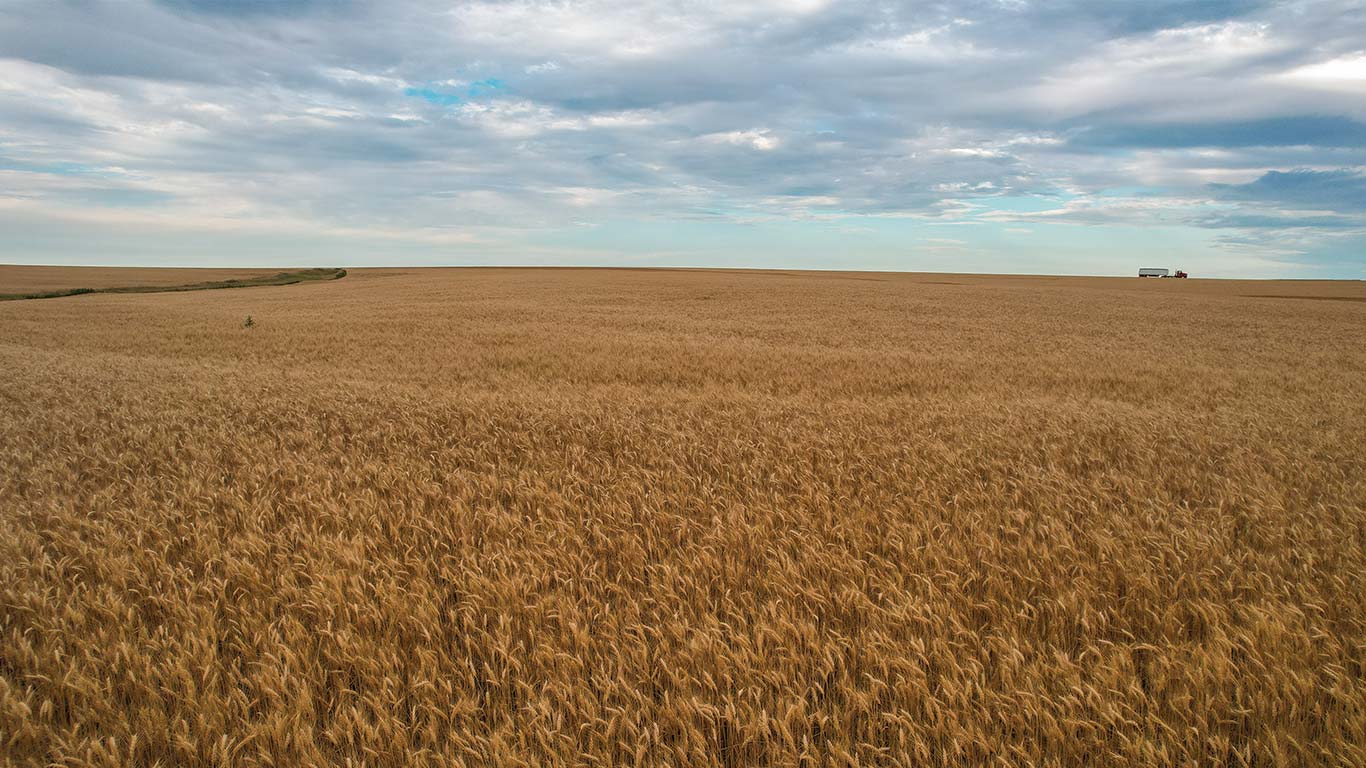
Kansas-based Farm Strategy is developing a market for higher value Hard Red Winter Wheat varieties that feature improved dough strength.
Agriculture, Education January 01, 2026
Niche Wheat
Improved dough strength could also boost farmers' bottom lines.
Story and Photos by Bill Spiegel
A landscape of golden wheat in the summer is one of the prettiest sights in the world, says Jack Dean. "It is just gorgeous as the sun is going down," the Kansas farmer explains.
But pretty doesn't pay the bills, adds Jack, who farms with his son, Brady, near Glen Elder, Kansas. That's why the Deans aim to cash in one of the "Ox" wheat varieties, developed at Oklahoma State University and licensed through Farm Strategy, a Kansas company. These varieties—Paradox, Breadbox, and Snowfox, a white variety—contain a natural genetic protein called Bx7oe, which results in exceptional dough strength.
With these varieties bakers can avoid adding ingredients to boost dough strength. Fewer additives and "cleaner labels" appeal to many consumers, says Andrew Hoelscher, Farm Strategy founder.
Assuming each bushel of wheat contains 42 pounds of white flour and has added strength over conventional varieties, end-users are able to pass those savings on to farmers, Hoelscher explains.
"The money a baker would spend on additives can be put back into the production system and go to the farmer, thus allowing farmers to capture more value in the wheat system," says Hoelscher, who adds that Farm Strategy's mission is to discover ways for farmers to connect with end-users.
Boosting wheat. Adding value to wheat appeals to Jack and Brady Dean, who pride themselves in pushing the envelope.
"Here's something that looks like it has promise," Brady says. "It's better for milling and baking and we should receive a premium. It's not a huge risk, because we don't have to do anything different agronomically."
Growing enough acres of Ox wheat to create a consistent supply requires patience, Hoelscher adds. Farm Strategy released its first varieties to growers in the fall of 2024 and expects to have 30,000 acres in production for the 2026 wheat harvest, and double by 2027. The prime geography is in a narrow band between Oklahoma City and the Kansas/Nebraska border, Hoelscher says.
The Ox wheat varieties cost a bit more upfront for farmers, but there is a premium paid at harvest. Growers must sign a delivery agreement with Farm Strategy, and buy new, certified seed each year. It may not be a program that suits everyone, Hoelscher says.
"This isn't something we want farmers to plant their whole farm to. We have to have the right fit for the producer to grow these varieties economically," he explains. "But also, don't judge this system too early. We will continue to innovate."

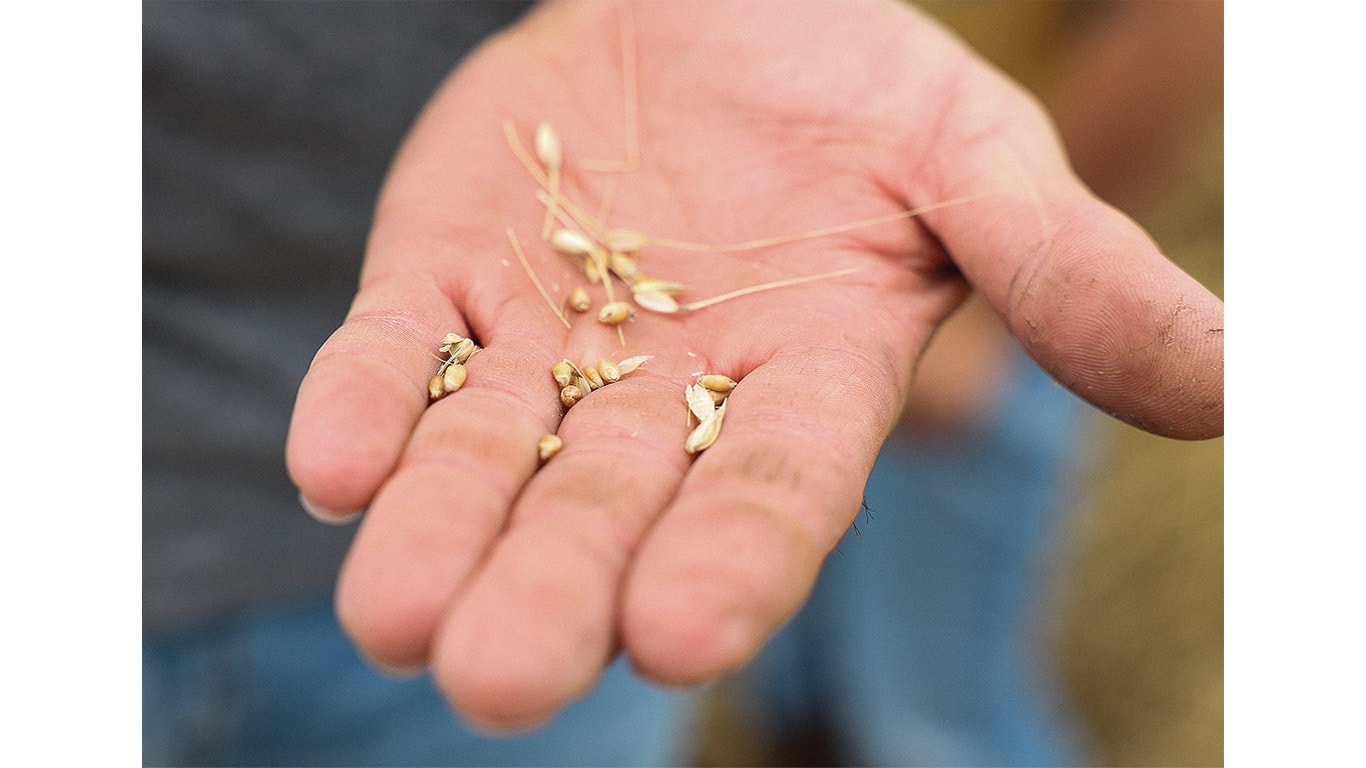
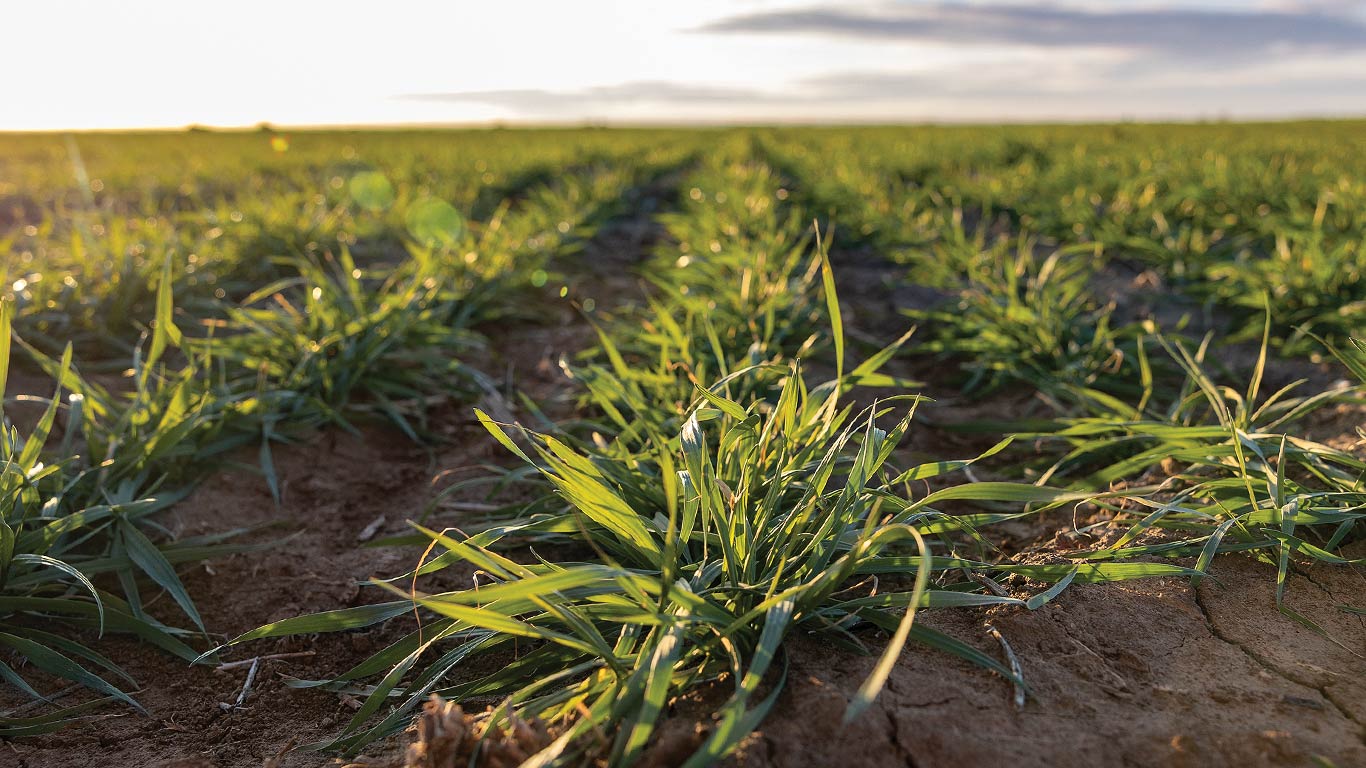
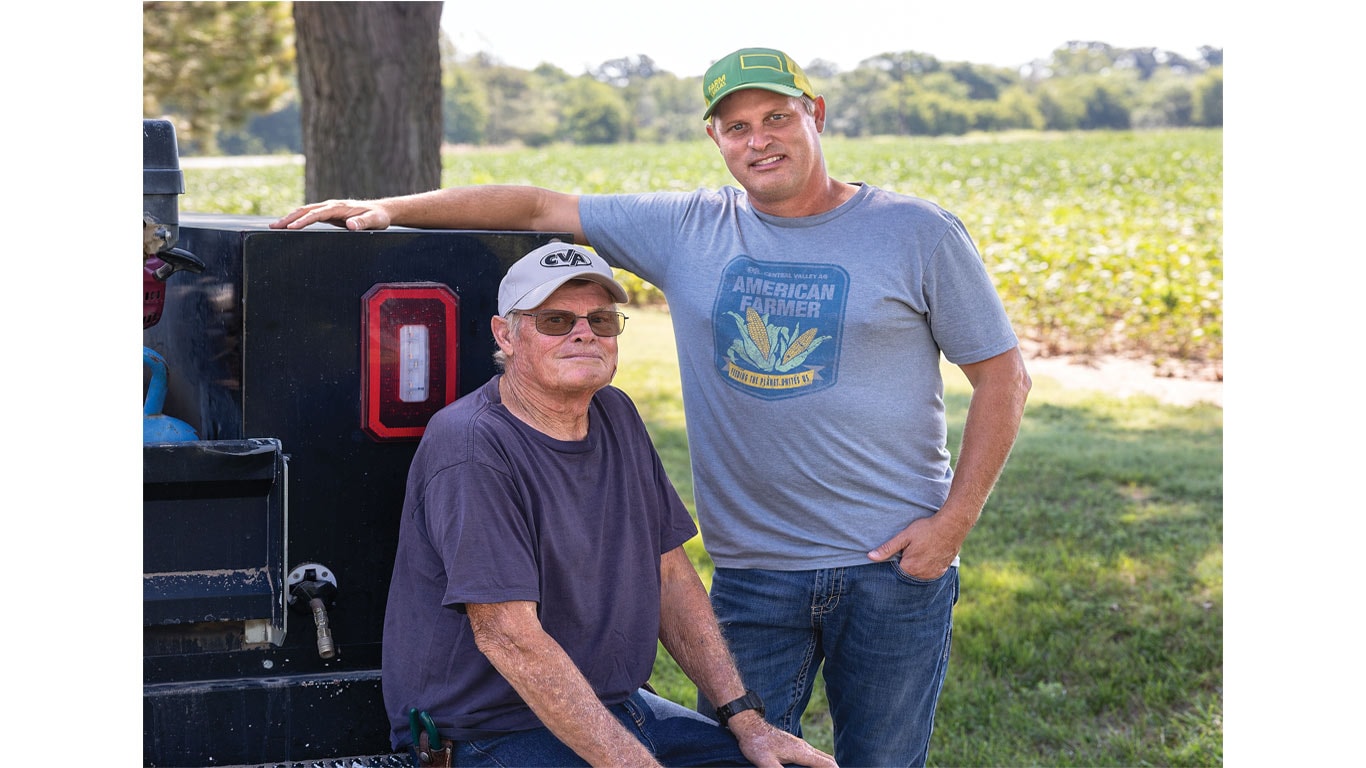
Above. Andrew Hoelscher is CEO of Farm Strategy. The "Ox" wheats have the naturally occurring Bx7oe protein. Three varieties are available in the central High Plains. Jack and Brady Dean participated in the Ox wheat program in 2024-25. The variety Paradox earned a quality premium over conventional varieties. The program aligns with the Deans' commitment to testing new practices.
Constant improvement. Innovation is where the Deans shine. They farm about 2,800 acres in a wheat, corn or grain sorghum, and soybeans rotation, with about 40% of the acres dedicated to wheat each year. They adopted no-till several years ago, which allowed for more diverse crop rotations. Wheat remains a linchpin of their crop rotation, with about a third of their acres destined for the crop each year. Of that, they plan to plant about 400 acres of wheat stubble back into second year wheat and on those acres, they aim to plant double-crop soybeans after wheat harvest.
Corn and grain sorghum are interchangeable depending on spring moisture when it's time to plant corn. Basis at local elevators also factors into that cropping decision, Brady adds. In 2025, the grain sorghum basis was much higher than corn, economics favored corn.
Wheat fits in their rotation as a way to keep the ground covered in idle months and preserve precious soil moisture from evaporation. That's especially true in the Deans' continuous, or stacked, wheat, which requires more inputs, but generally pays off with yields 20-25% higher than wheat planted right after soybean harvest.
On the stacked wheat, the Deans make a couple of herbicide burndown passes, and at wheat planting time they add 40 Rock fertilizer in the seed trench. The crop receives an initial application of nitrogen in the fall and again at spring greenup, to which they add a half rate of fungicide. The remaining half rate of fungicide is applied in April, along with 20 to 25 pounds of nitrogen. If necessary, another pass of fungicide is applied via airplane when the crop is at the flag leaf stage.
Soil protector. Two years of wheat stubble protects the soil, Brady says. "There's probably an inch or two of mulch for the corn, and that mulch is still there for the next year, when we plant soybeans."
The crop rotation is a system, with each crop setting up the next one for success. But just like with Ox wheat, the Deans are always willing to try something different.
"If you don't change anything, are you really growing and setting yourself up for success in the future?" Brady says. ‡
Read More

AGRICULTURE, SPECIALTY/NICHE
Thirty-Five Million Guests to Feed
Many tourists visit Thailand looking for a healthy lifestyle. Innovative Thai farmers deliver on that promise.
AGRICULTURE, LIVESTOCK/POULTRY
A Stepping Stone
Renting first farm opened a bittersweet path to better opportunities.