 A John Deere Publication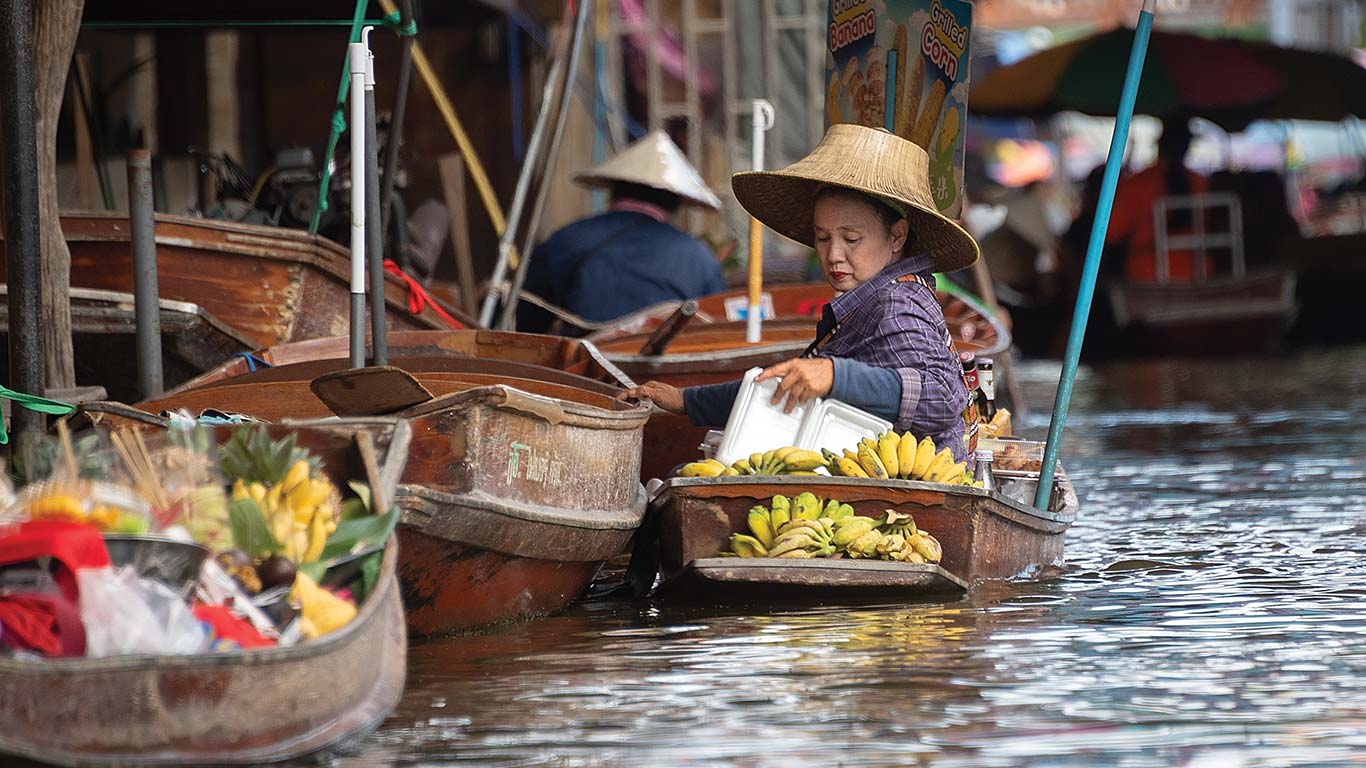
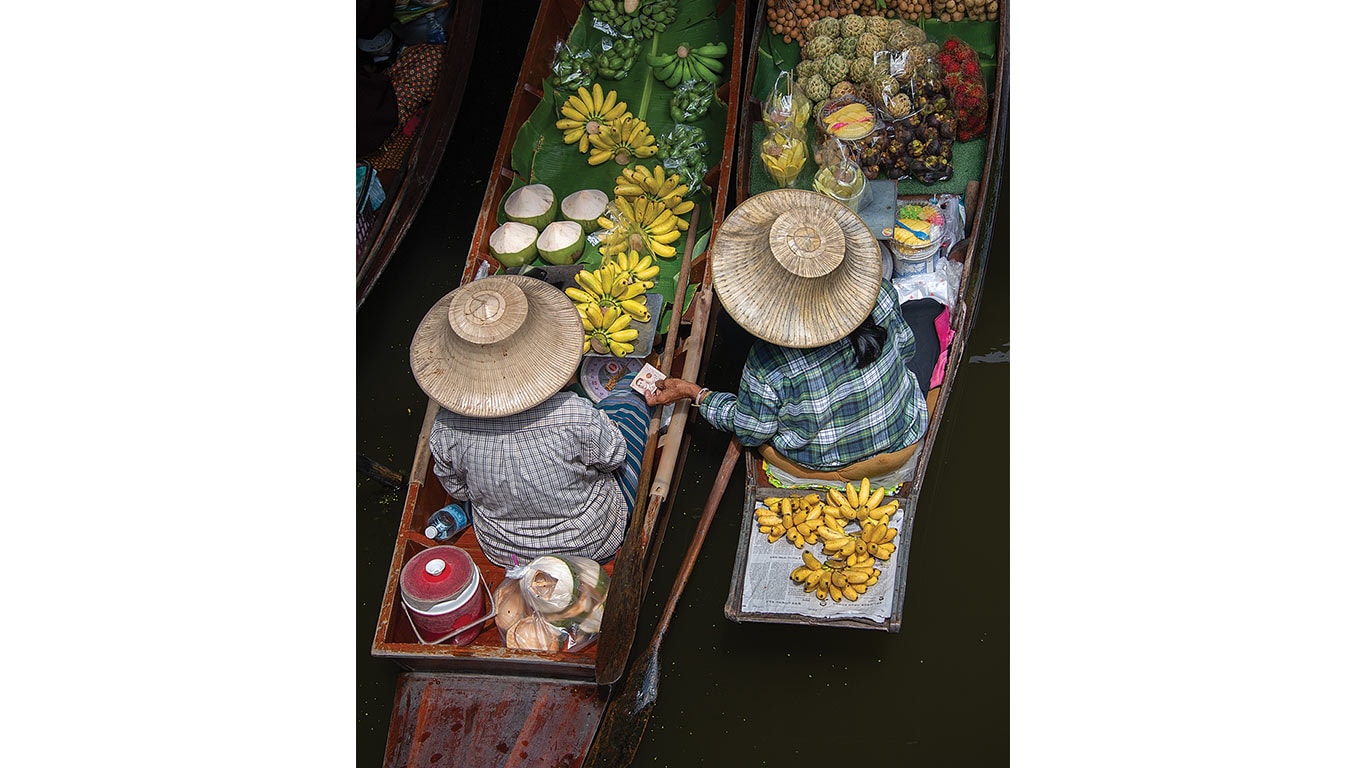
The Damnoen Saduak Floating Market near Bangkok has become a huge draw for tourists who love buying fruits, vegetables, and prepared foods from vendors plying the neighborhood's canals in shallow-draft, wooden boats.
Agriculture, Specialty/Niche January 01, 2026
Thirty-Five Million Guests to Feed
Many tourists visit Thailand looking for a healthy lifestyle. Innovative Thai farmers deliver on that promise.
Story and Photos by Steve Werblow
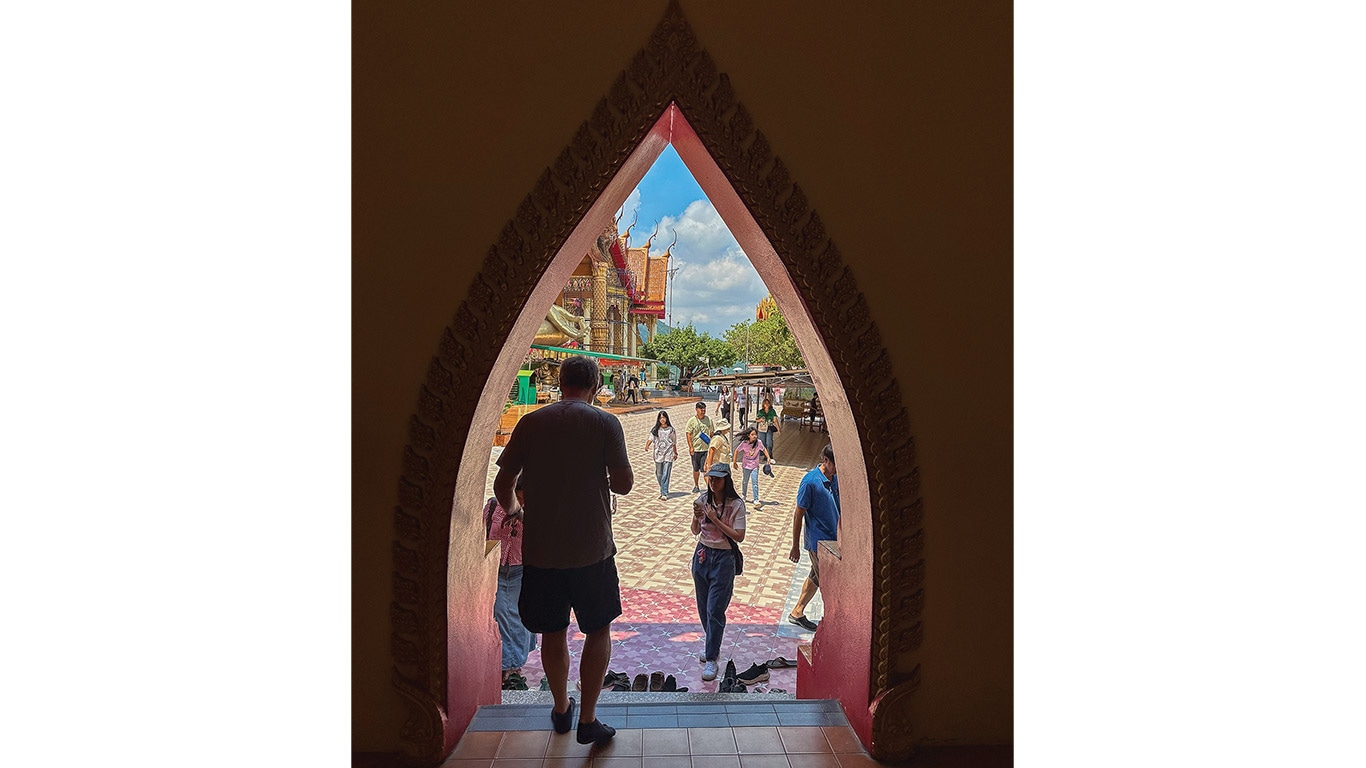
Hosting more than 35 million guests in 2024, Thailand is one of the world's most popular tourist destinations. Some visitors come for the big-city rush of Bangkok, others to lie on peaceful beaches in the south, contemplate ancient temples, practice yoga, or hike in the jungle. But one of the highlights for nearly any Thailand traveler is the food, with its emphasis on flavor, flair, and freshness. That has created a huge opportunity for the nation's farmers.
The World Food Travel Association and World Culinary Culture Institute estimate that approximately 25% of the average tourist's travel budget is spent on food and beverages. With tourists pumping more than $48 billion into Thailand's economy in 2024, that's $12 billion worth of food.
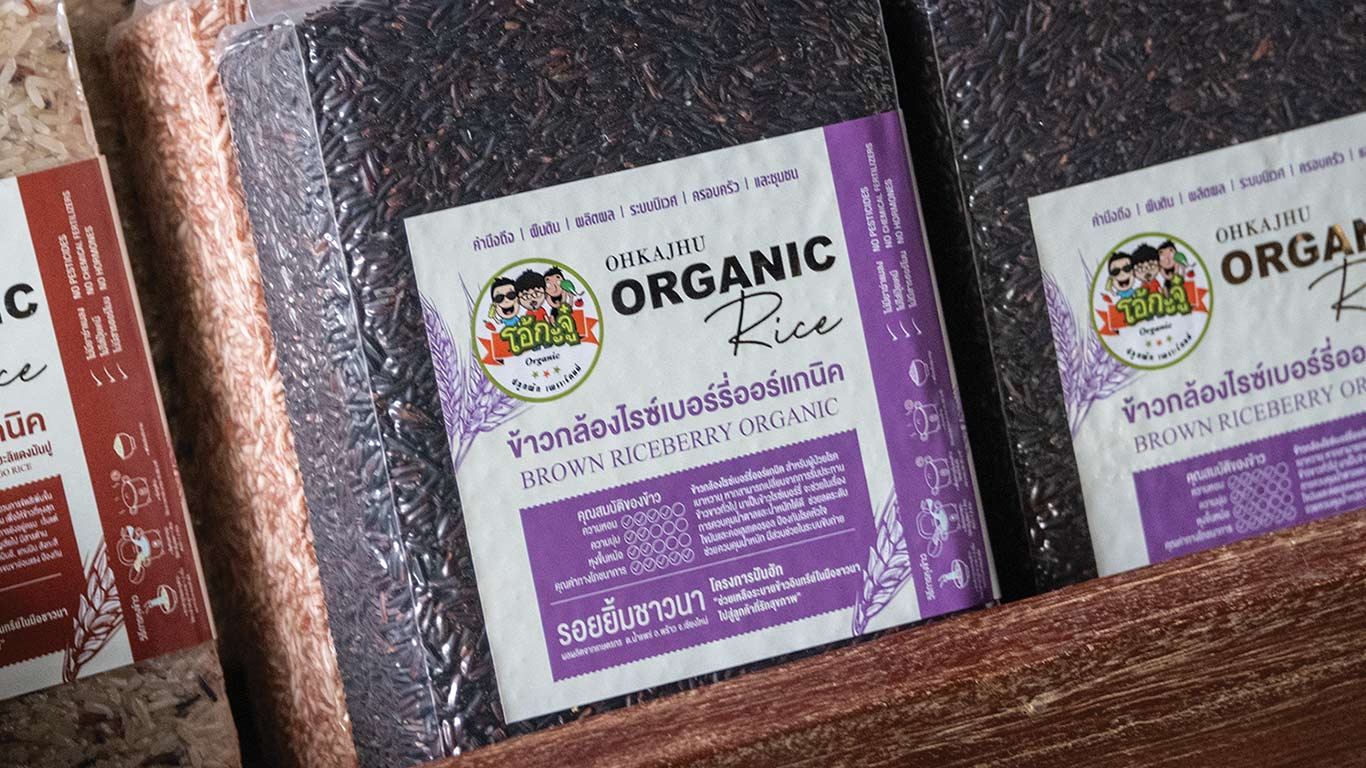
Hilltribe Organics has seized the opportunity, building a network of farmers supplying organic eggs from 700-hen flocks on the steep hillsides of the Wawee district in the Chiang Rai province. The area was known for decades as the Golden Triangle, home to fields of opium poppies and a booming heroin trade. In the wake of a decade of decline of illicit poppy production—the result of intense eradication programs, competition from Afghanistan, and synthetic drugs—fruit, coffee, and eggs are channeling the new gold into today's Golden Triangle.
"Eggs work really well for the people here because it's a lot of women farmers and they're able to feed the chickens in the morning and evening, so the actual labor input every day is minimal," explains Hilltribe Organics founder Richard W. Blossom. "It allows them not to be just toiling in the fields all day but still earn a decent income."
Farmers build the coops and Hilltribe Organics donates the hens and handles the marketing to top-flight hotels like Hyatt, the Four Seasons, and Kempinski, as well as to high-end grocery chains.
Farmers earn 80% of the eggs' selling price, which provides a stable income of $300 to $475 per month. According to a farmer named Ayut who has been producing eggs for the company for 10 years, that's double what her family earned growing corn.
Establishing a farmer as a Hilltribe Organics producer is more than a matter of signing up. It requires careful navigation of the culture of the Karen and Akha ethnic minorities who participate in the program.
"Around here, none of the land is really privately owned," Blossom notes. "It's all kind of communal, a tribal thing. So the elders are in charge of dispensing the land and who's managing it. We tell them, 'we can take on this many farmers,' and they plug in the people that will handle it."
After years of heavy pesticide usage in crops like corn, many area farmers need convincing to switch to organic production. Despite that hurdle, Hilltribe Organics has a waiting list of farmers who want to join the program, and is eager to continue growing beyond its current roster of 60 poultry producers.
"The issue at the moment is we've kind of maxed out Thailand's organic market," Blossom points out. "It's still in its infancy, sort of where the West was 20 or 25 years ago. As the market builds up, it's going to be a lot more domestic demand."
The company is also trying to create export opportunities to the wealthy Singapore market, and perhaps start supplying buyers in Japan and South Korea.
Ultimately, the goal is to create a circular, regenerative agricultural system for the community around Wawee. They are eager to incentivize local corn growers to switch to organic production to provide feed for the hens. Poultry litter will fertilize food forests planted with turmeric and ginger (which are used as medicine for the layers), cacao, coffee, and a leguminous tree called moringa, which provides leaves for tea and oil-rich seeds that can be processed for food or cosmetics.
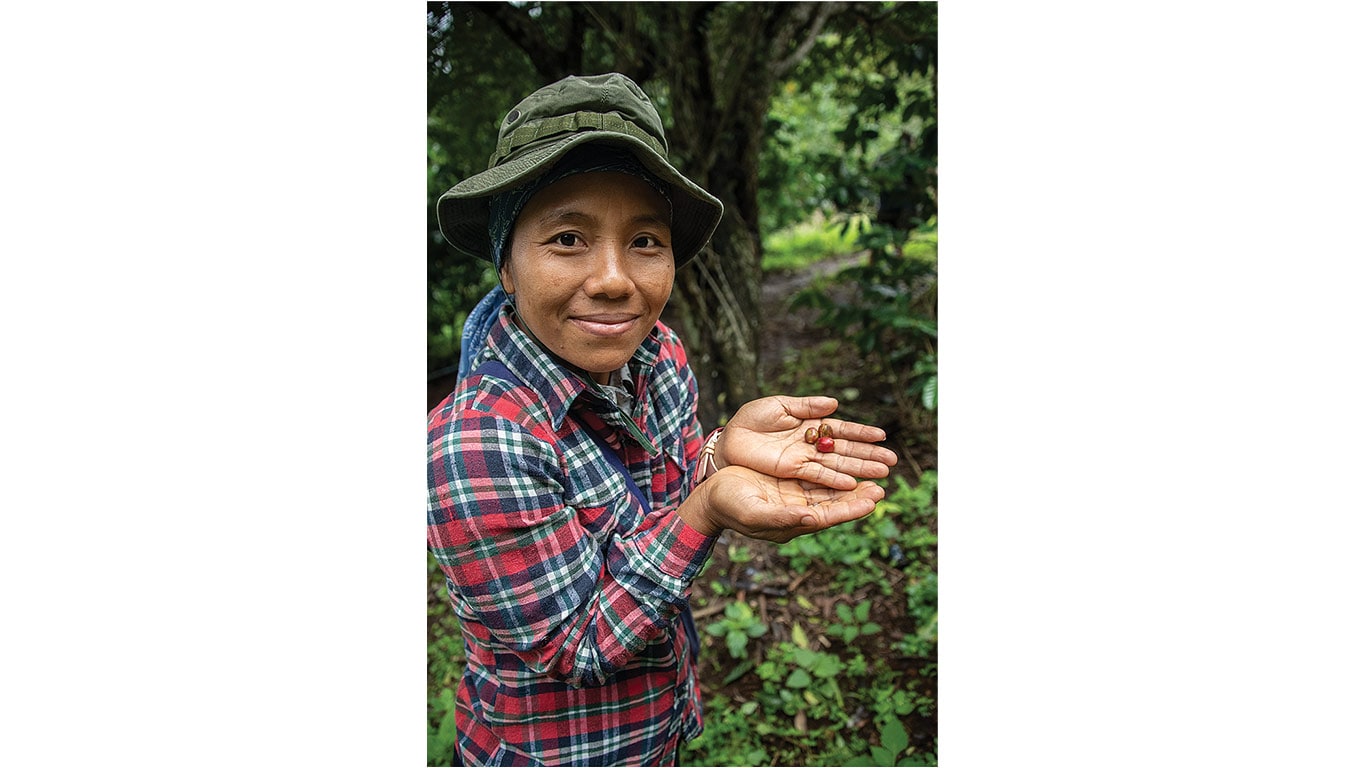
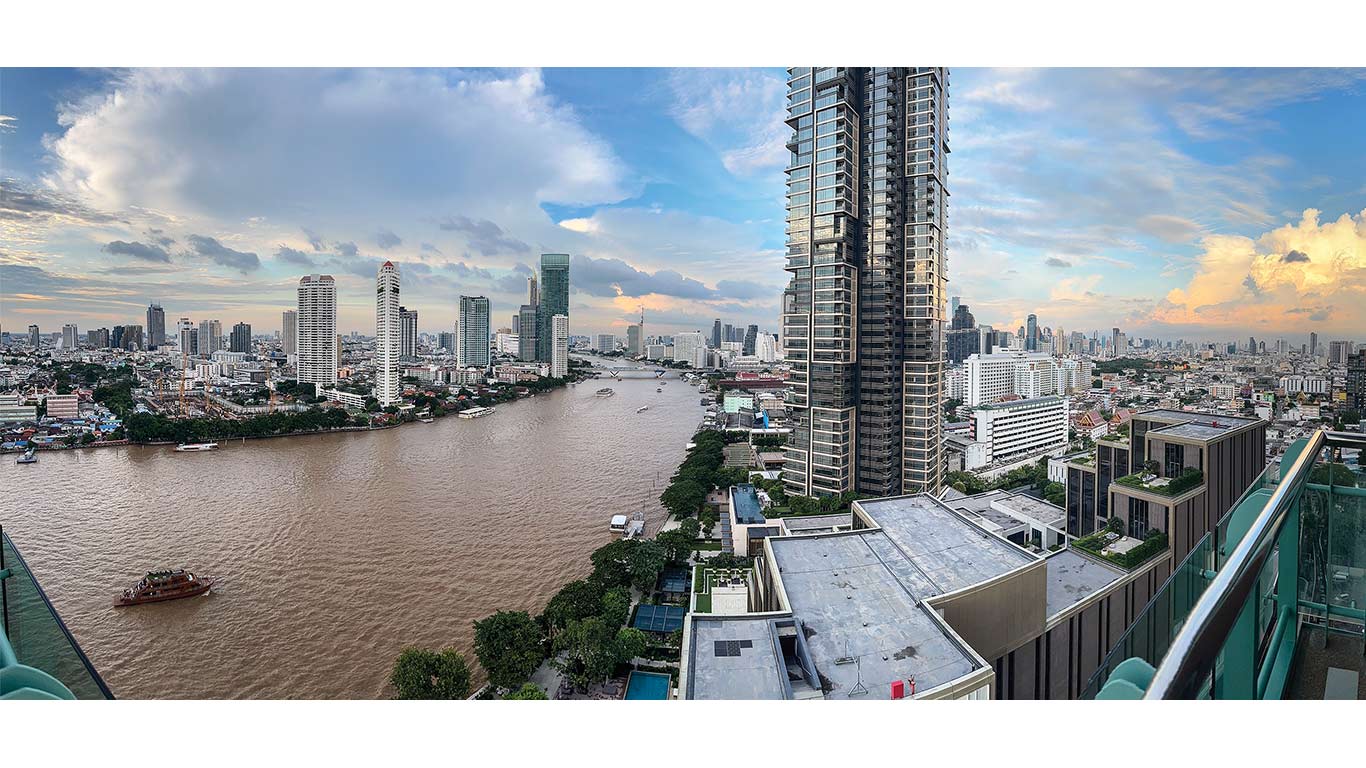
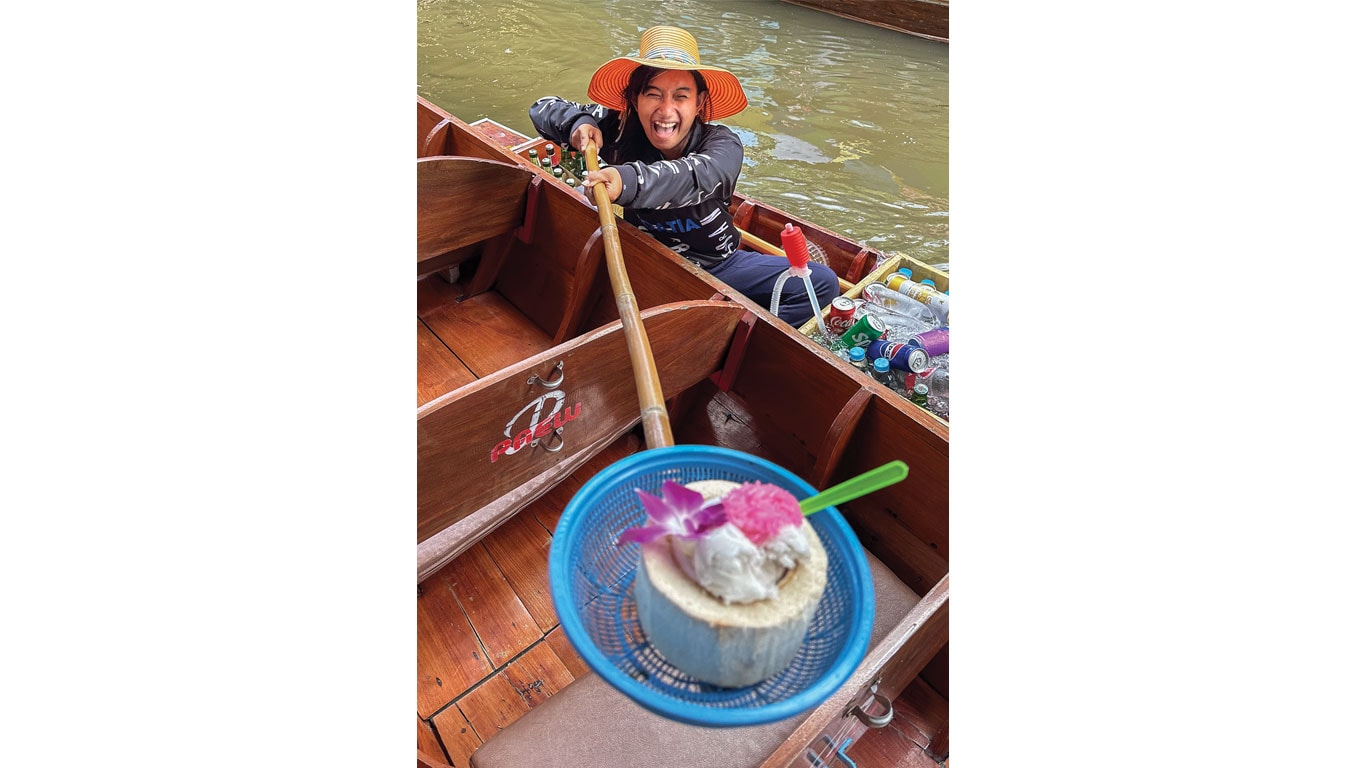
Above. Coffee grower Warit Thitikan and her husband were recognized by the international Cup of Excellence. Bangkok is one of the world's top food cities. Tourists created a demand for organic food. A vendor serves up ice cream at the floating market. More than 35 million tourists visited Thailand in 2024. Business on the water.
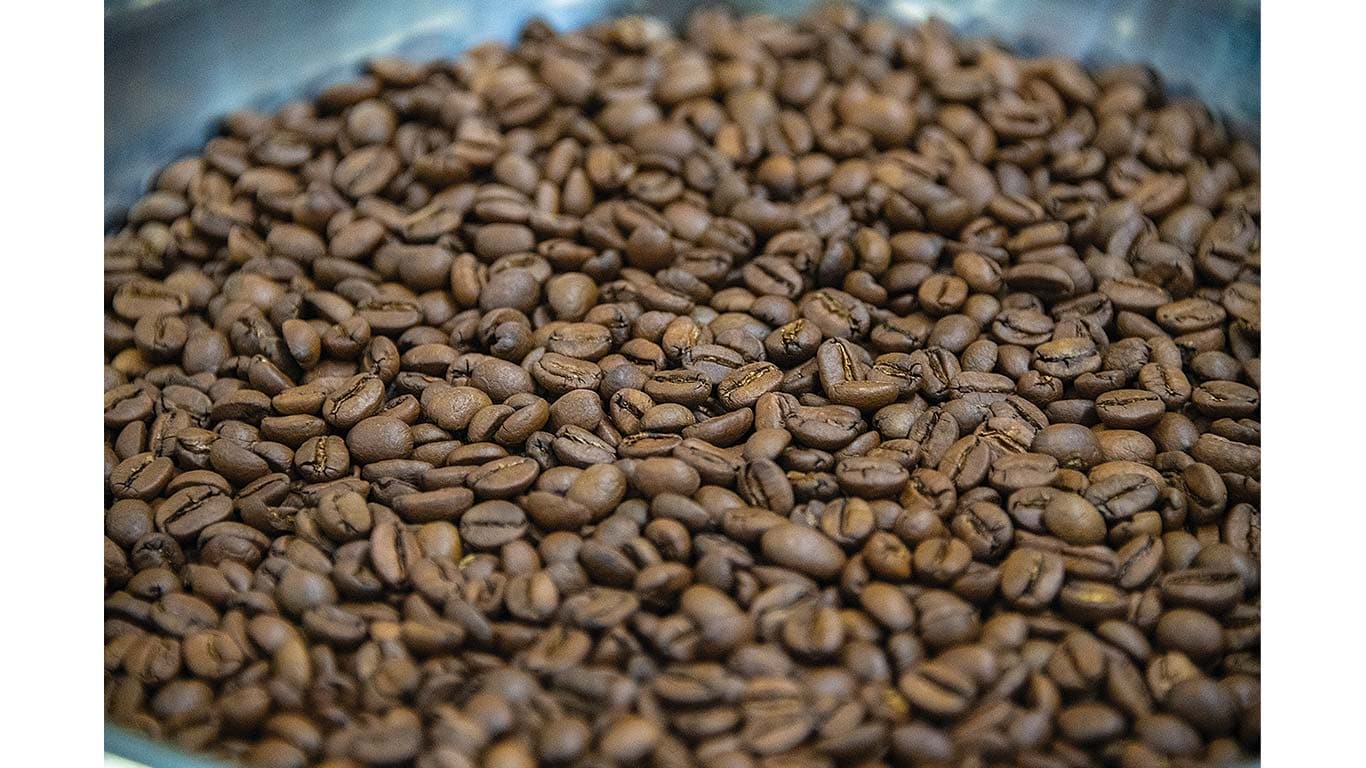
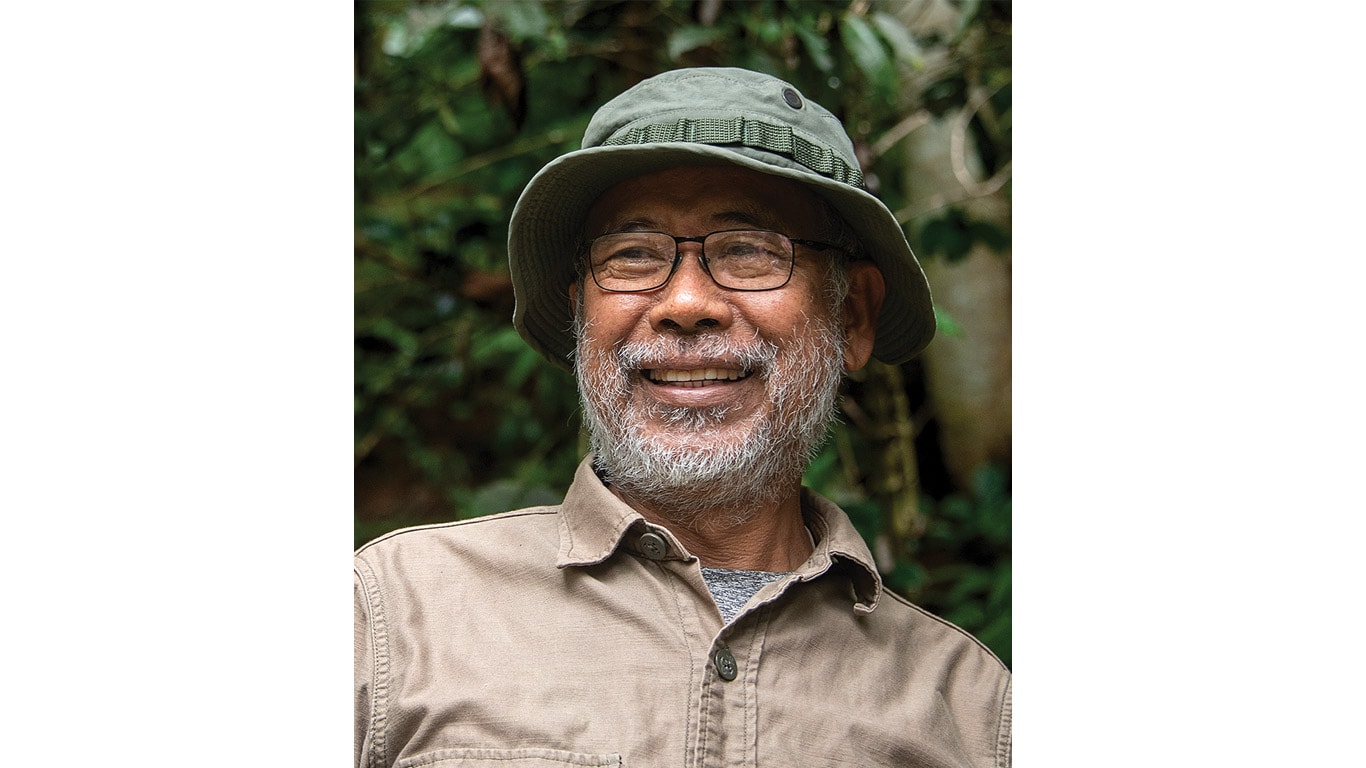
Black gold. South of Hillside Organics' chickens, visitors to Doi Saket in the Chiang Mai province can swing by Nine-One Coffee for a cup of Wanlop "P'Wan" Pasnanont's gourmet grind. Pasnanont left a government job in Bangkok to produce premium shade-grown coffee in the northern jungle in 1997. That was a radical move in a country whose coffee industry had been built on cheap, low-grade beans.
It was also a year after Starbucks opened its first shop in Asia. Tourists were bringing espresso culture with them.
"I got lucky," P'Wan notes through a translator. "The market has changed, the consumer has changed. They didn't want to drink [average] coffee no more."
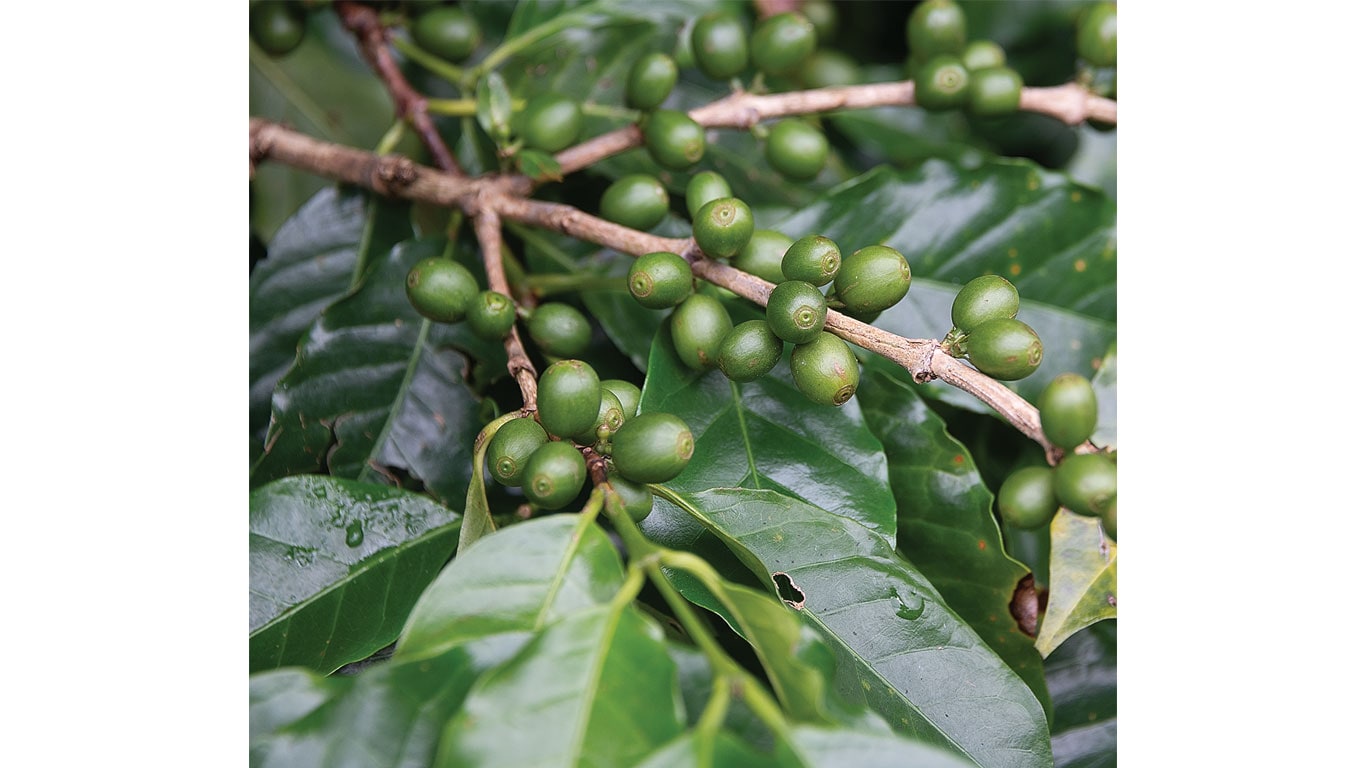
Quality coffee starts with careful harvesting. Drawing on childhood experience on his family's fruit farm and the coffee training programs he has attended around the world, P'Wan trains his pickers to pluck only ripe berries rather than stripping branches of red and green berries at once.
That means his crew of nine pickers goes through Nine-One's crop 10 to 15 times per season. P'Wan pays his crew by the day rather than by the kilo, eliminating incentives to harvest unripe berries. He pays each picker the equivalent of $15 per day, about 40 to 50% more than most local producers.
To encourage other growers to focus on top-quality coffee, P'Wan and several friends founded the Specialty Coffee Association of Thailand. The industry is also getting a boost from research at Chiang Rai's Mae Fah Luang University, where Amorn Owatworakit and his colleagues are conducting research on production, processing, packaging, and marketing of Thai coffee.
Some of P'Wan's small batches of coffee have scored in the high 80s in the Alliance for Coffee Excellence's international Cup of Excellence program, which spotlights the world's top growers and seeks to amp up auction prices for their beans. A few Thai producers have even scored in the 90s, putting them in the league of top growers in premium coffee-growing regions like Nicaragua, El Salvador, and Guatemala.
Burit Manatwale and Warit Thitkan of Heramon Coffee Farm in Chiang Mai were among Thailand's 2023 Cup of Excellence winners. The young couple are second-generation coffee producers, elevating Manatwale's parents' 2.5-acre shade-grown coffee farm to a global stage.
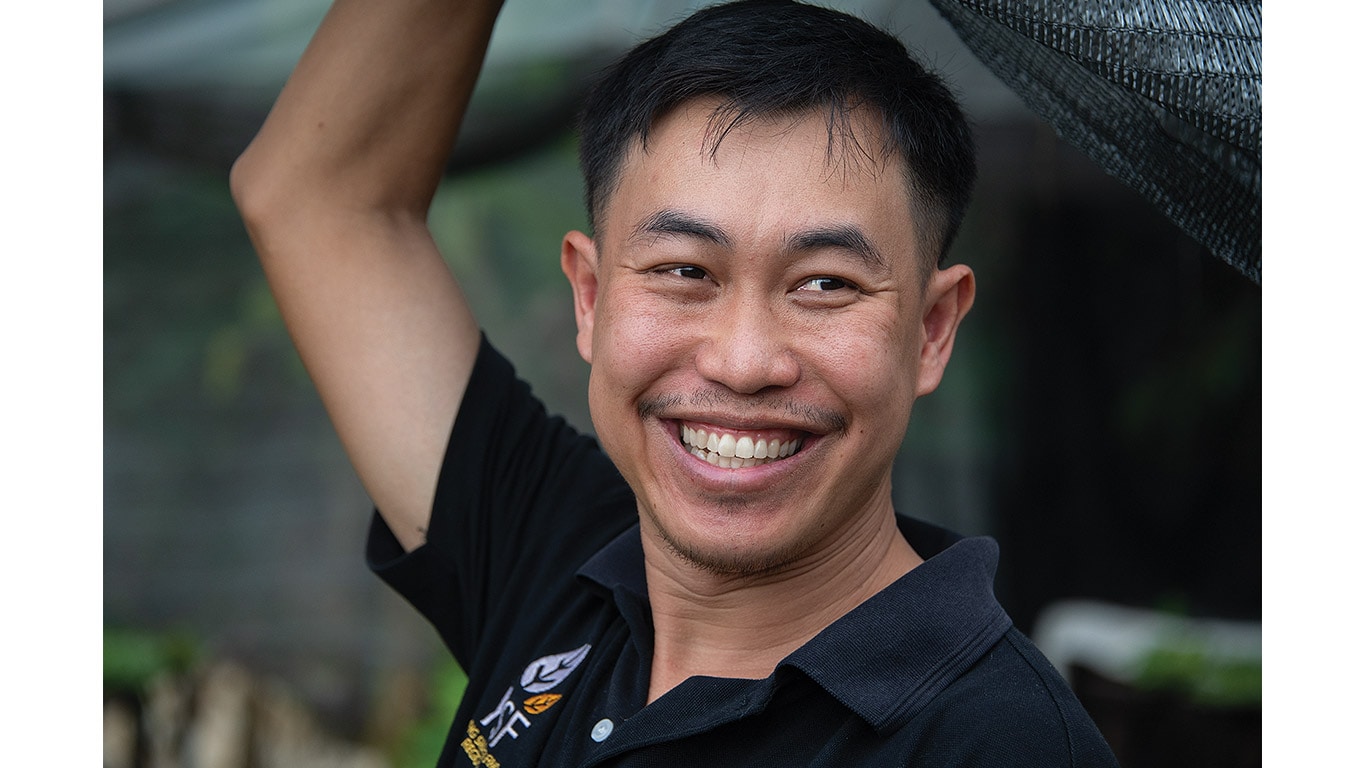
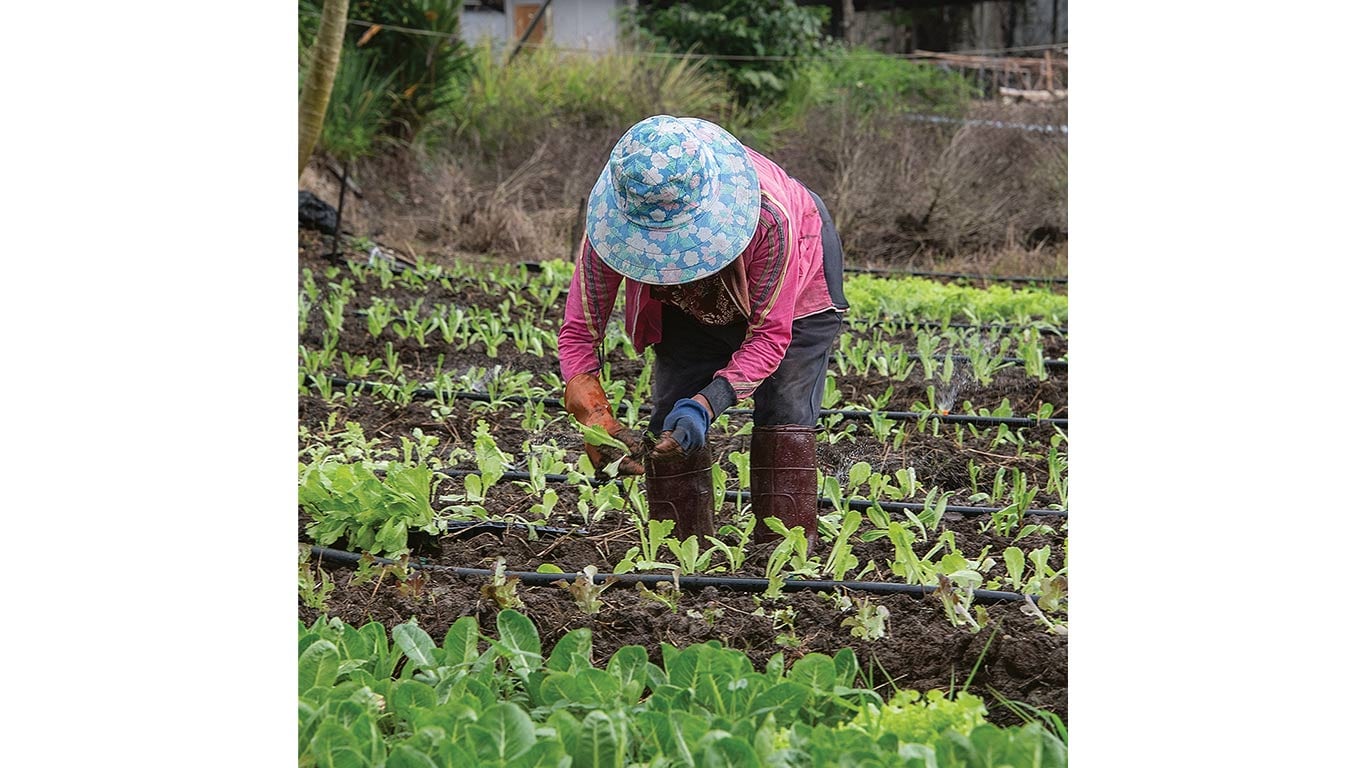
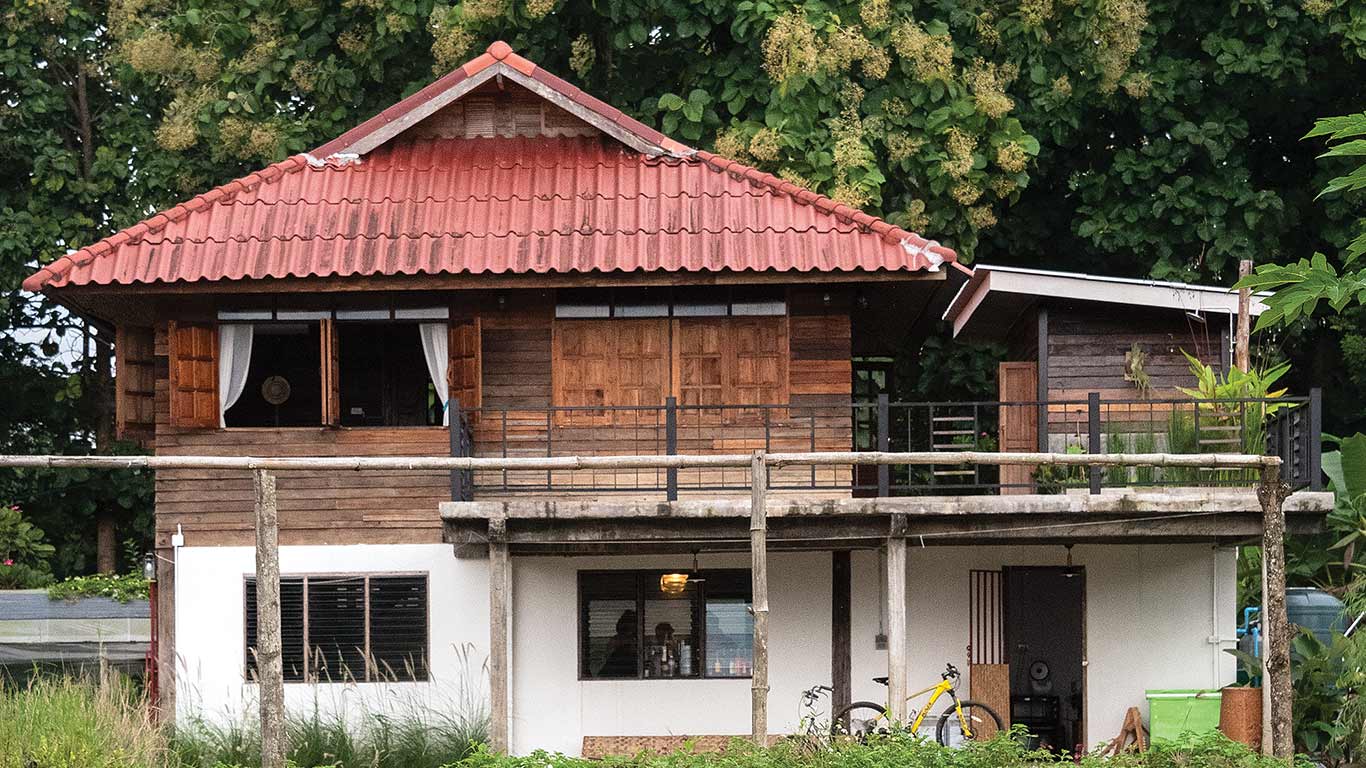
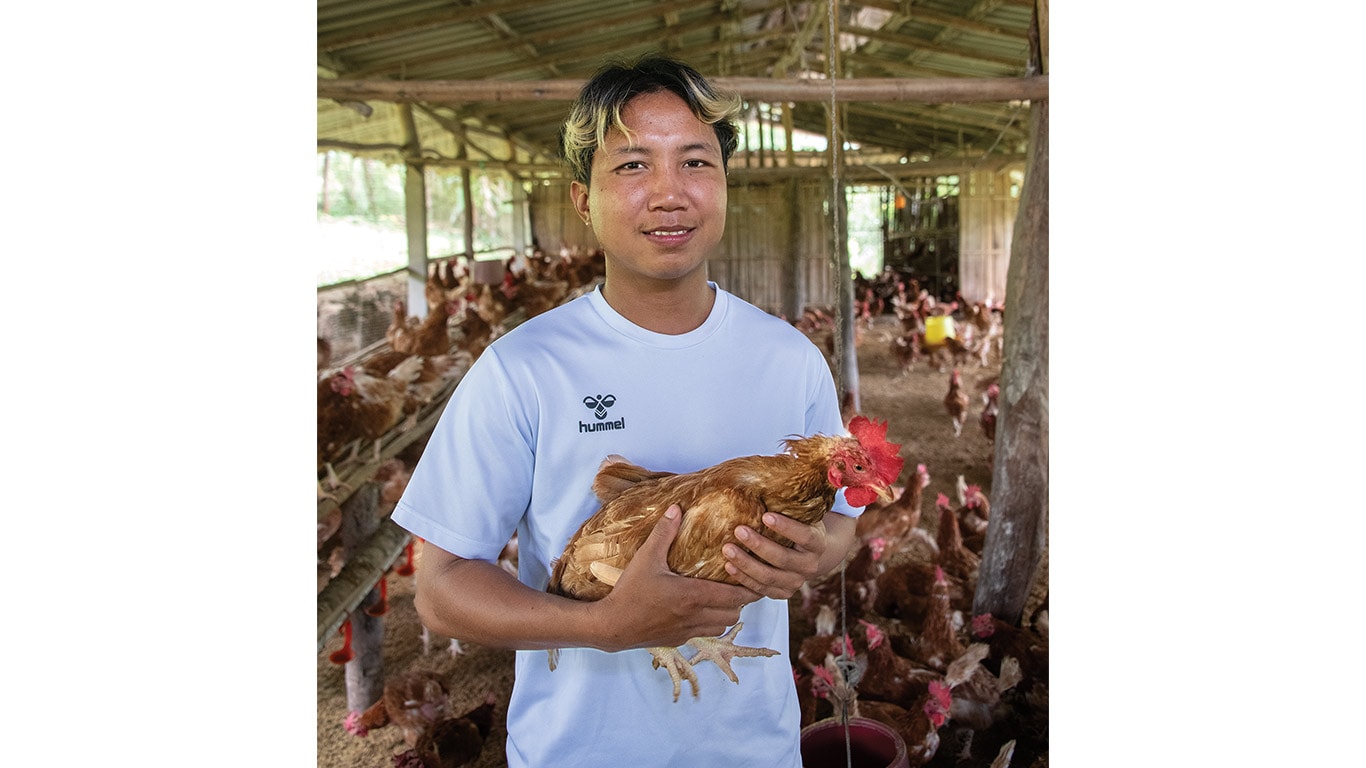
Above. Teewasit Wongpanya sees Rai Plook Fan Farm as a hub for direct-to-tourist sales. Tending vegetables at Rai Plook Fan Farm. The farm's new guesthouse, about an hour from Chiang Mai. Chat, a 25-year-old egg producer for Hillside Organics, says income from his hens keeps him from having to go to the city to find work. Premium varieties, harvested and roasted with care, were a radical idea in 1997 when Wanlop "P'Wan" Pasnanont established his shade-grown coffee farm in northern Thailand, an area better known for commodity beans.
Farm stay. Teewasit "Jade" Wongpanya and Pannathat "Touch" Chomwong have embraced tourists even more directly on Rai Plook Fan Farm. On eight acres in Mae On—about an hour's drive from the tourist mecca of Chiang Mai—they produce vegetables, herbs, fruit, and flowers. Wongpanya participated in the Thai government's Young Smart Farmer program, which trained him in sustainable vegetable production, including integrated pest management (IPM) and marketing tactics.
Much of Rai Plook Fan Farm's harvest is sold at farmers' markets in Chiang Mai, but Wongpanya notes that the Young Smart Farmer alumni network has also opened up opportunities to supply area hotels and restaurants.
He and Chomwong return the favor. In 2024, the couple opened up a farm stay guesthouse. In addition to diversifying their income, they hope a steady stream of tourists will shorten the journey to market for much of their produce—and many of their friends' products, too.
"We don't want to bring our vegetables to sell at market. We want to pull people here, and we want this house to be the center to support other farmers," says Chomwong. "It's going to be a showroom. It can be a center in our village to support each other."
On the farm. On the outskirts of Chiang Mai, Sawat Upesuk of Thai Farm Cooking School in Sansai-Mae Jo has diversified his family's 6-acre commodity rice farm into a lush cornucopia of fruits, vegetables, and herbs that provide flavor for the Thai cooking classes he and his staff teach.
Upesuk and his crew pick up guests at their Chiang Mai hotels and bring them to the Ruamchok market for a deep dive into Thai ingredients. Then it's off to the farm, where each participant gets hands-on with knives and pans, learning to cook Thai dishes.
Hosting 4,000 to 5,000 hungry, eager Thai food fans per year, Upesuk provides the closest possible link between food-loving tourists and Thailand's remarkable agricultural bounty. ‡
Read More
AGRICULTURE, FARM OPERATION
Beyond City Lights
Drawing workers to the hinterland.
AGRICULTURE, EDUCATION
Niche Wheat
Improved dough strength could also boost farmers' bottom lines.