 A John Deere Publication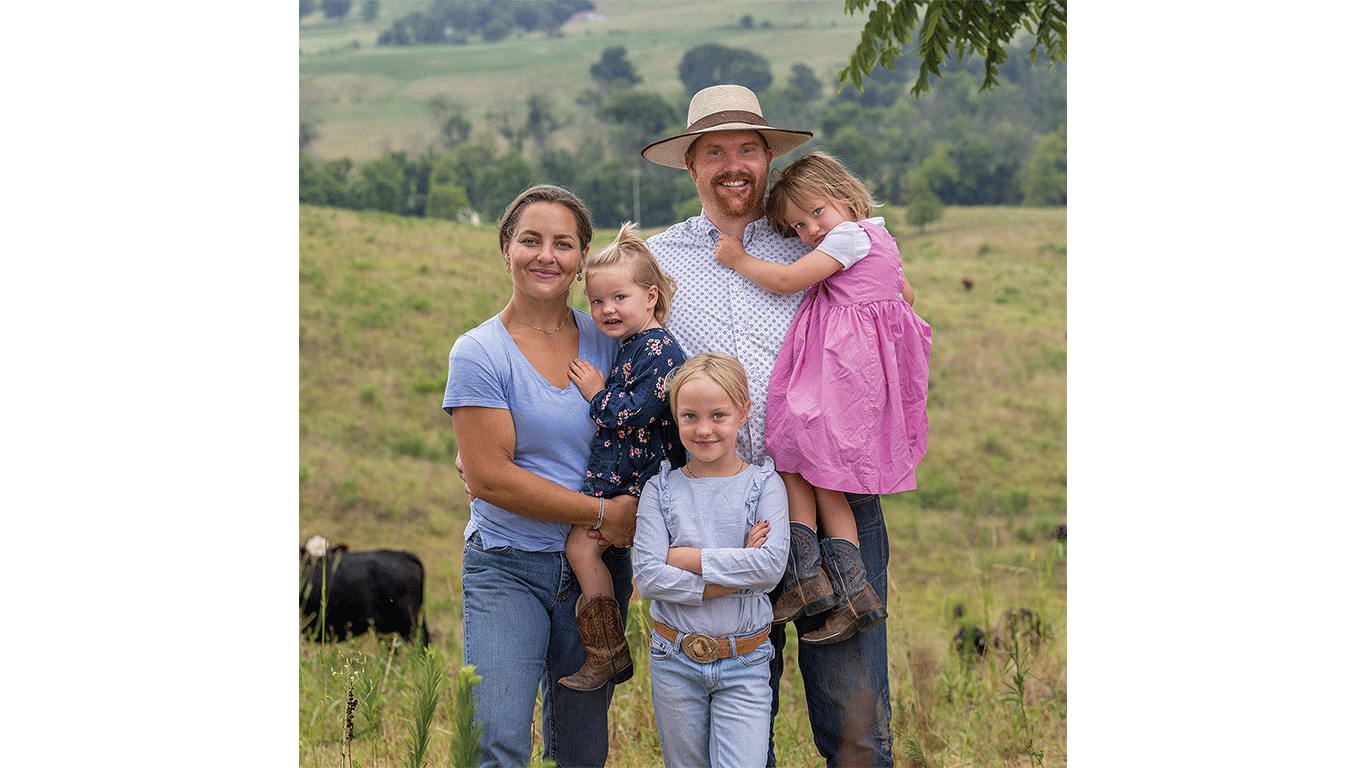
Neeley and Tom Butler came to Arkansas as employees but now own their own ranch. Their daughters Vivian (7) and twins Ida and Isla (4), often tag along for farm work.
Agriculture, Livestock/Poultry January 01, 2026
Finding Home
Idaho family creates opportunity to start their own ranch in Arkansas.
Story and Photos by Martha Mintz
Reverse engineering a successful venture is easy. Rarely at the start is the path ahead so clear or certain as it is looking back.
When Tom and Neeley Butler got the chance to buy the Arkansas cattle ranch they were managing, they weren't sure about the 'how.' They were firm in the belief they could get the deal done despite significant challenges.
"From the moment the owners presented the idea our attitude was that we're going to make this happen," Tom says.
Big believers in God and his blessings, the Butlers still credit positive attitude for playing a big part in their eventual success.
"If you think you can't do something, you're probably not going to be able to do it," Tom says.
Tom grew up on a dairy and beef cattle farm in Idaho. At Neeley's encouragement — she said she wouldn't marry him unless he went to college — he got a degree in animal science.
After college, the then married couple took a ranch internship in Florida before landing a job in Green Forest, Arkansas, managing a large stocker and cow/calf herd for a pair of land investors.
They worked for the investors for three years before they were approached to buy the ranch and cattle. It would be a stretch. They didn't have any money or assets to borrow against. The cow/calf herd alone would end up being a $1 million unsecured loan.
Tenacity, building relationships with the people around them, and a lot of positivity and hard work saw the deal done.
They heard 'no' many times as they sought financing from bank after bank. With each 'no' they adjusted their plan and tried again.
They finally struck a chord with their small regional bank. Their loan officer worked with them on a plan, pulling in FSA and making suggestions to tweak their strategy until it just barely penciled out.
"She went to bat for us. It was unbelievable. She caught the vision and believed in us," Neeley says.
They fostered close relationships with their loan officer and FSA staff, constantly getting in front of them. One of the investors was also willing to owner-finance some of the land.
The purchase was timed for fall so the calves currently on the cows were part of the deal, giving them some immediate cash flow.
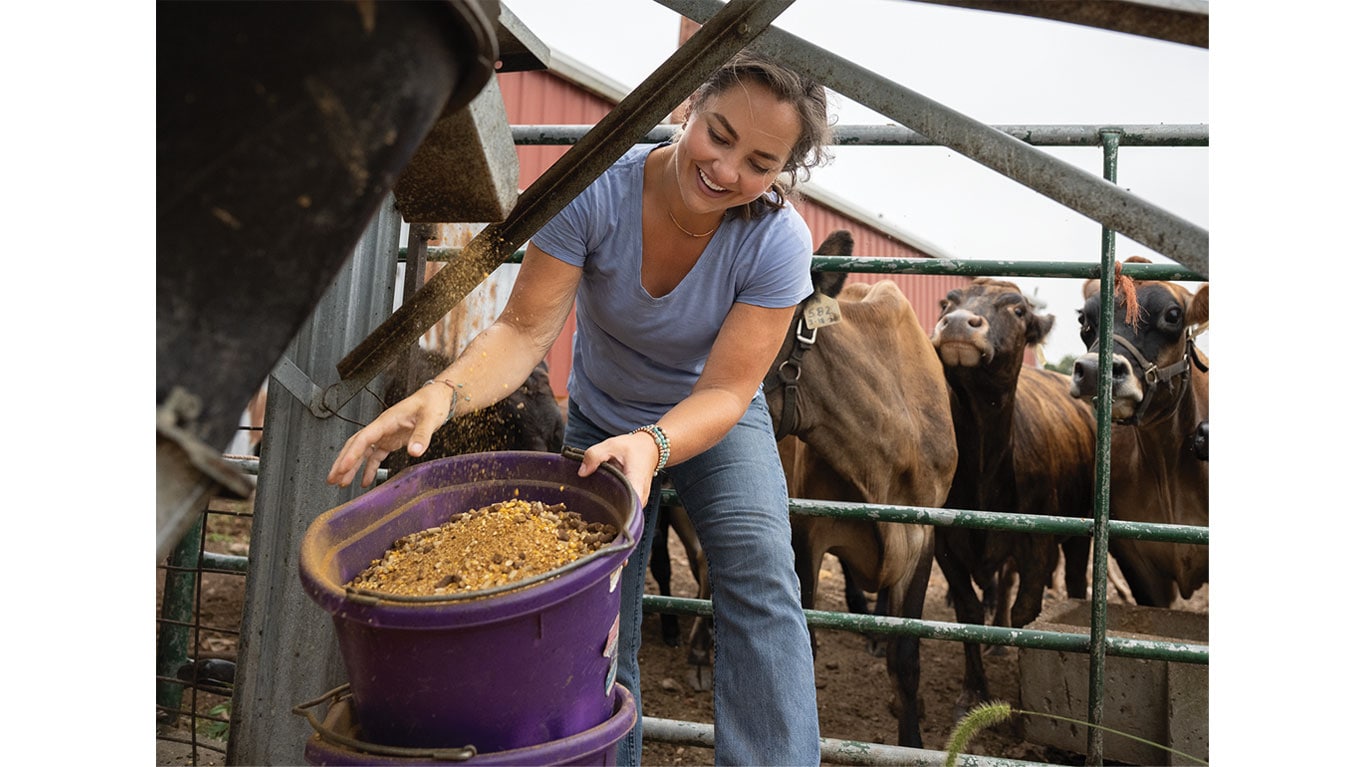
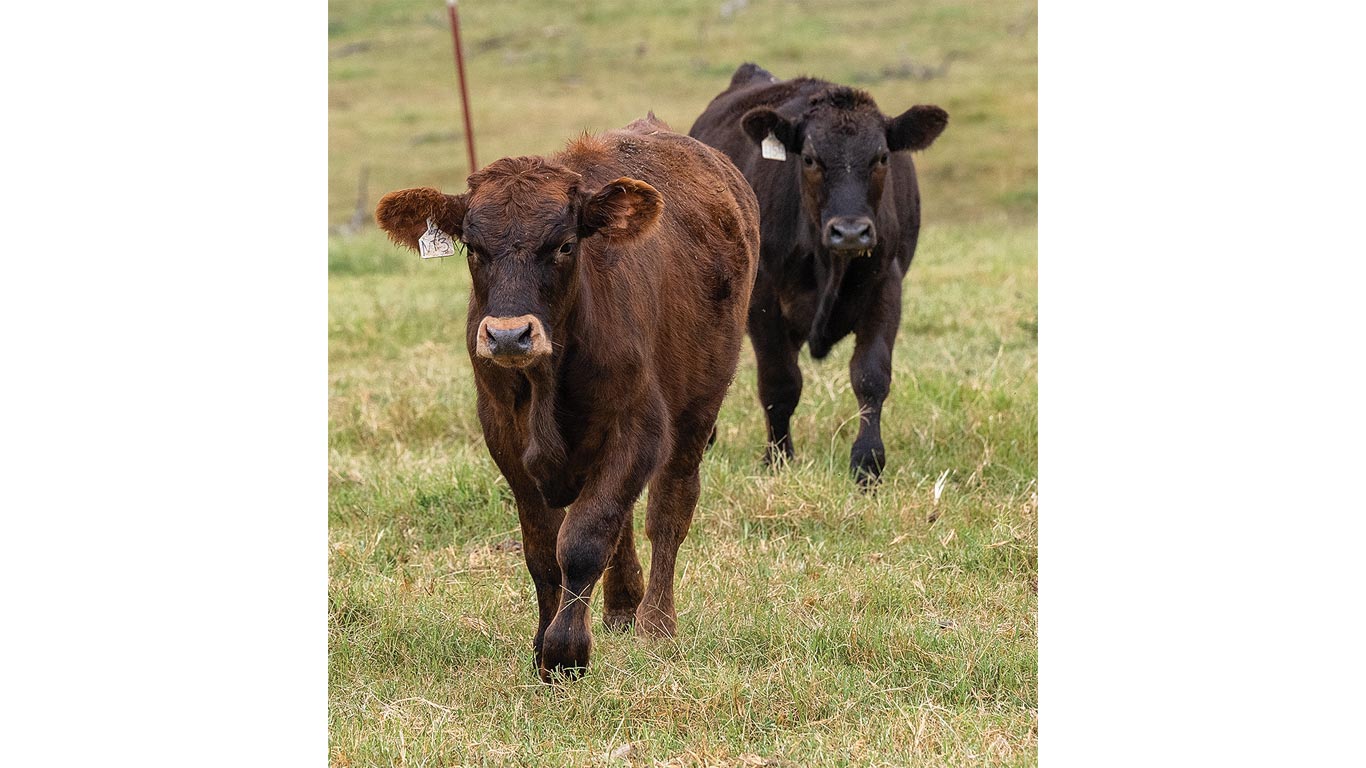
Above. Taking the time to talk to their neighbors and develop relationships by being helpful and listening instead of pushing ideas has led to many opportunities, including free bulls.
Bulls were an expense they couldn't afford. Tom and Neeley fell into a no-cost creative solution.
A neighbor sent a Texas Braunvieh breeder their way who was looking to generate Expected Progeny Differences (EPDs) for their young bulls. The project involved AIing the Butlers' entire 600-head herd (that they've since built to 1,000 head) and collecting data on every calf.
"Tom was AI-certified in college and we were already laying our hands on every calf within 24 hours of being born," Neeley says.
They weigh, tag, and give a mineral injection at birth. They use EID tags to track data on the calves for EPDs, but also track performance in their cow herd.
J-Bar Braunvieh provides the semen and clean-up bulls in exchange for the data. Eventually they will be able to afford a full battery of bulls, but for now this system is helping build their herd quality and much-needed equity.
The Butlers maintain a tight 60-day spring and fall calving window. This is essential for gathering good data and making informed decisions to improve their herd.
"Our banker likes us because the value of our herd has increased since we bought it. Our cattle are younger and more productive," Tom says.
Instead of selling all their calves they keep replacement heifers and invest in the herd. Theirs is the largest cattle loan their bank has ever made. The bank took a chance, and it's paying off. They asked Tom to sit on the board for agricultural and livestock loans.
"They trust our boots-on-the-ground experience now," Neeley says. "We're making this work when there's a common belief you can't start a ranch if you aren't born into one."
They purchased the ranch and herd in 2021 at 30 years old with a young daughter and twins on the way. Four years later and it's still a bit surreal for them. "I can't even believe we're doing this. We don't have hired help, we're just doing it together as a family," Neeley says.
Unity is part of their success. Tom and Neeley are aligned in their belief and drive.
"We're equally yoked. If we weren't in this as a family it wouldn't work," Tom says. ‡
Read More
AGRICULTURE, LIVESTOCK/POULTRY
Dairy in Context
Success is found in knowing your potential and your limits.