 A John Deere Publication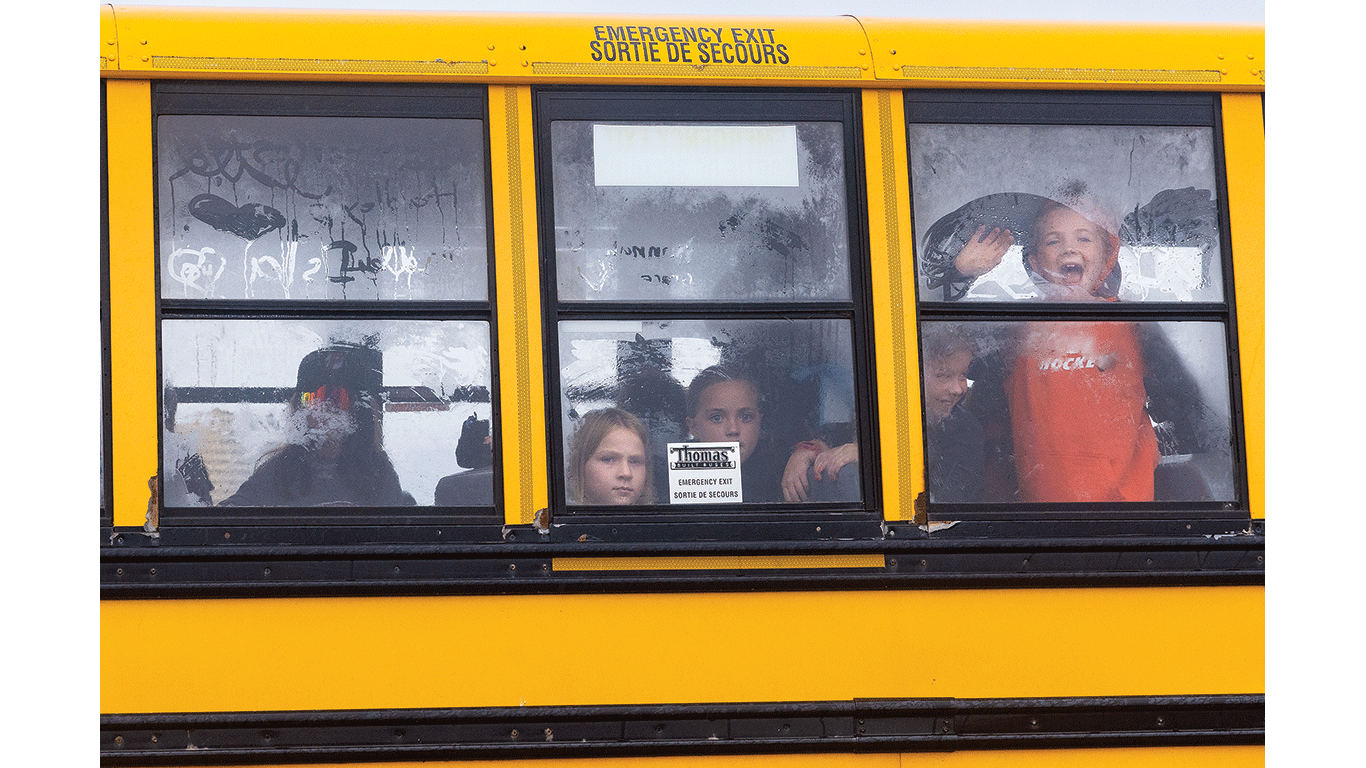
On Grade 3 Open Farm Day 1,500 students from nearly all schools in PEI boarded buses and headed out to farms across the province. Each class visited a dairy and one other type of farm to learn about agriculture.
Agriculture, Education April 01, 2026
Grade Three Day
PEI's farmers share their operation with the province's school children.
Story and Photos by Lorne McClinton
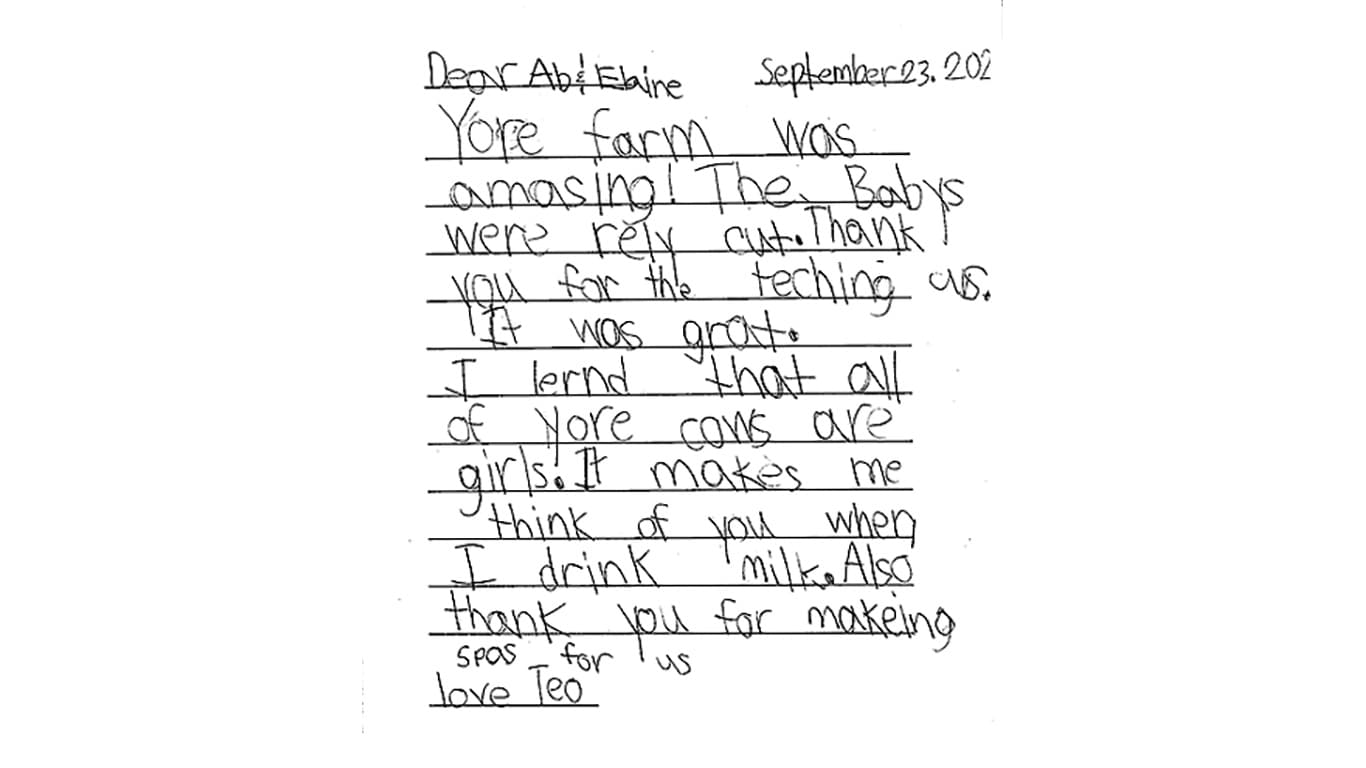
Dear Ab & Elaine,
Yore farm was amasing! The Babys were rely cut. Thank you for the teching us. It was grat. I lernd that all of yore cows are girls. It makes me think of you when I drink milk. Also thank you for makeing spas for us.
- love Teo
Teo, a Grade 3 student at West Royalty Elementary School in Charlottetown, Prince Edward Island (PEI), was one of 1,500 island students participating in one of the most ambitious farm outreach programs anywhere, the Grade 3 Open Farm Day Tour. The concept is simple—have every Grade 3 student in the province visit an island dairy farm and one other type of farm. The half-day event is held annually the Friday before the island's Open Farm Day, the third Sunday of September.
New Glasgow PEI dairy farmer Abe Buttimer and his group, The PEI Dairy Youth Trust, came up with the idea for it a decade ago. He contacted Laurie Loane, executive director of Agriculture in the Classroom PEI, about it. Loane loved the idea and worked hard to make it a reality.
"Grade 3 is the perfect fit," Loane explains. "It lines up exactly with plant and soil science in their curriculum. And because everything we deliver in the schools must be vetted and curriculum-linked, this program slotted in seamlessly."
Agriculture in the Classroom launched Grade 3 Day as a trial project in 2016, sending 246 students out on farm tours. It grew from there. In 2025, about 1,400 students representing all but six of the province's elementary schools attended. They're expecting all the province's elementary schools will participate in 2026. Finding host farms won't be a problem. To date, farmers are clamoring to participate. It's become one of the highlights of the year for students, farmers, teachers, and volunteers alike.
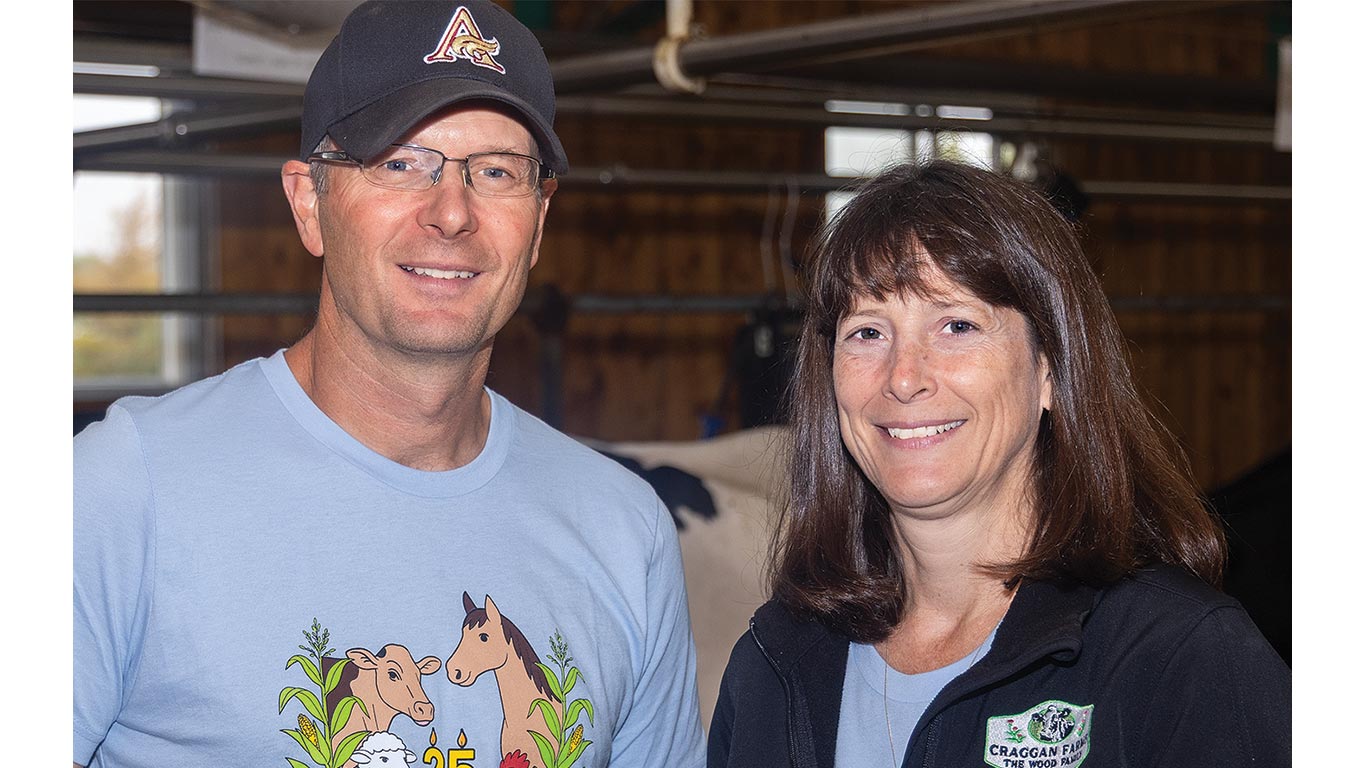
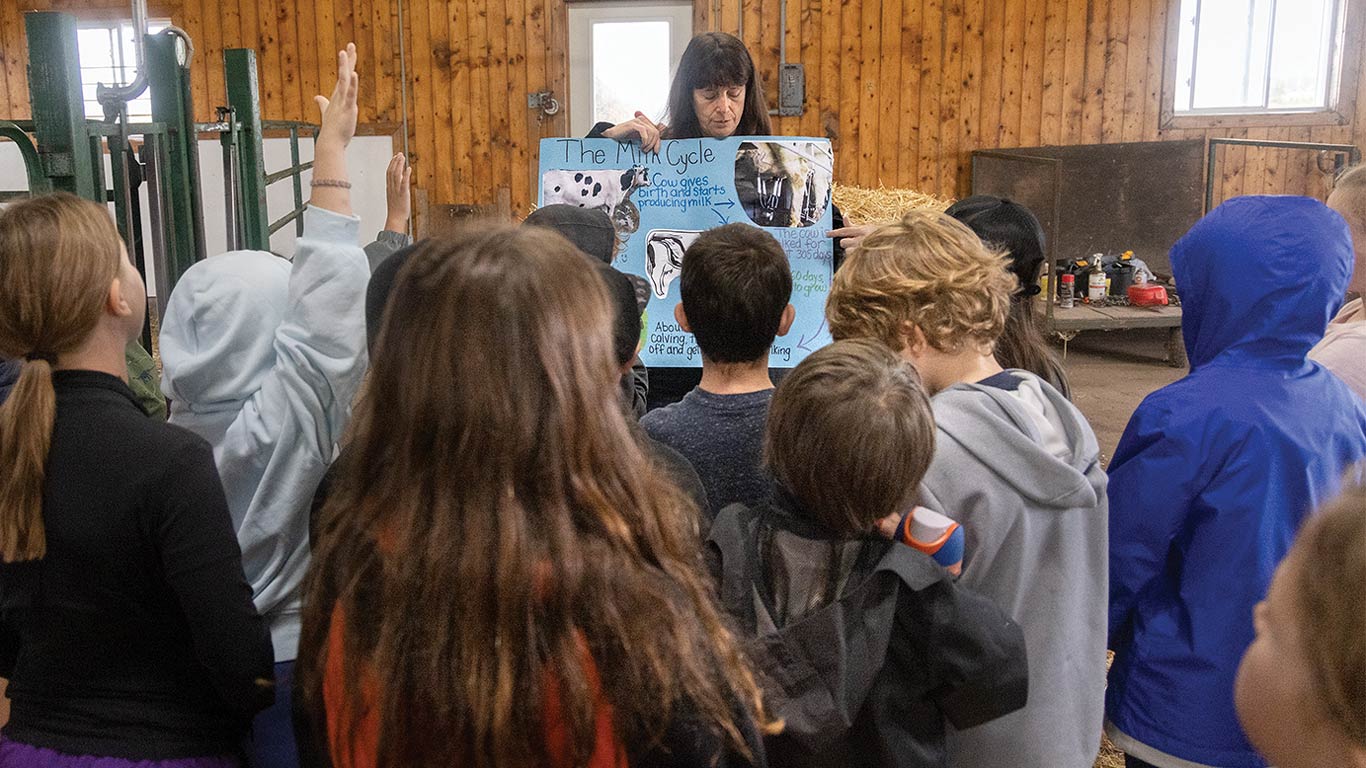
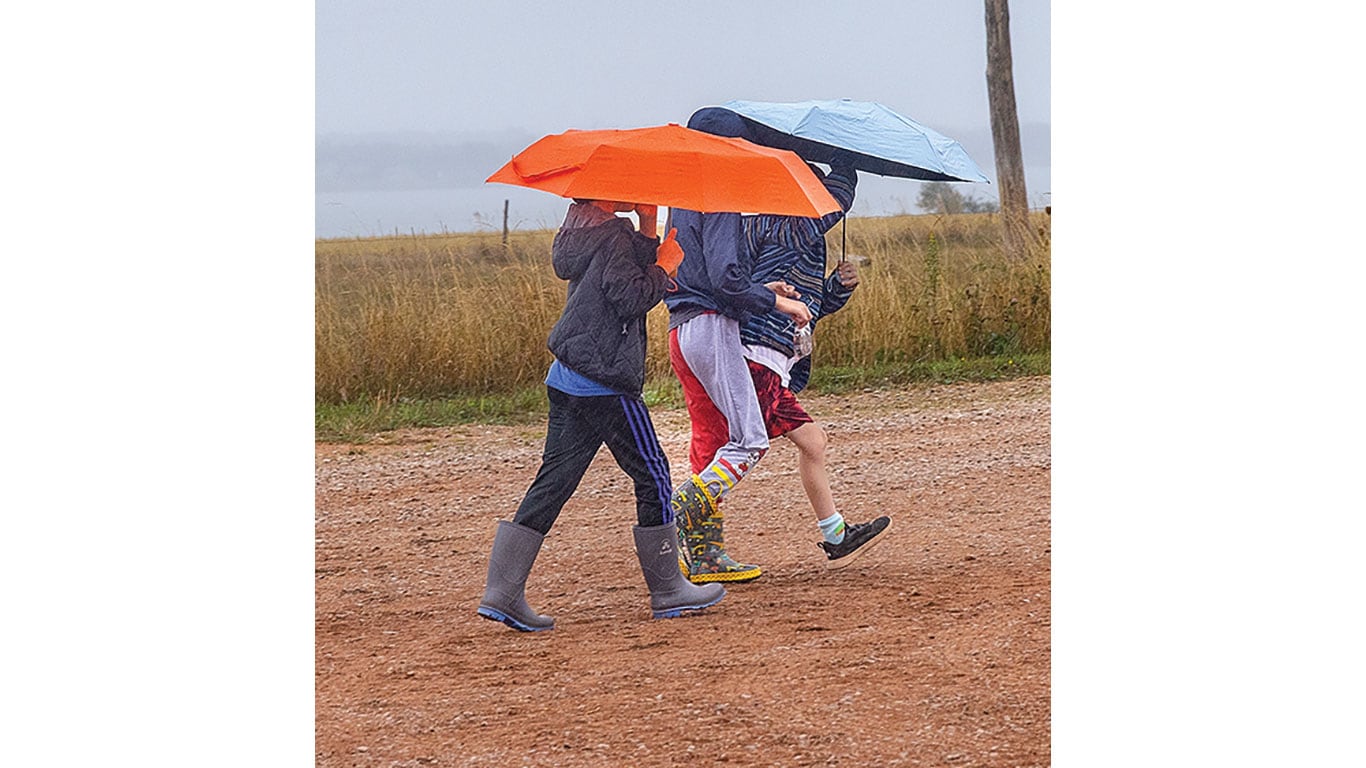
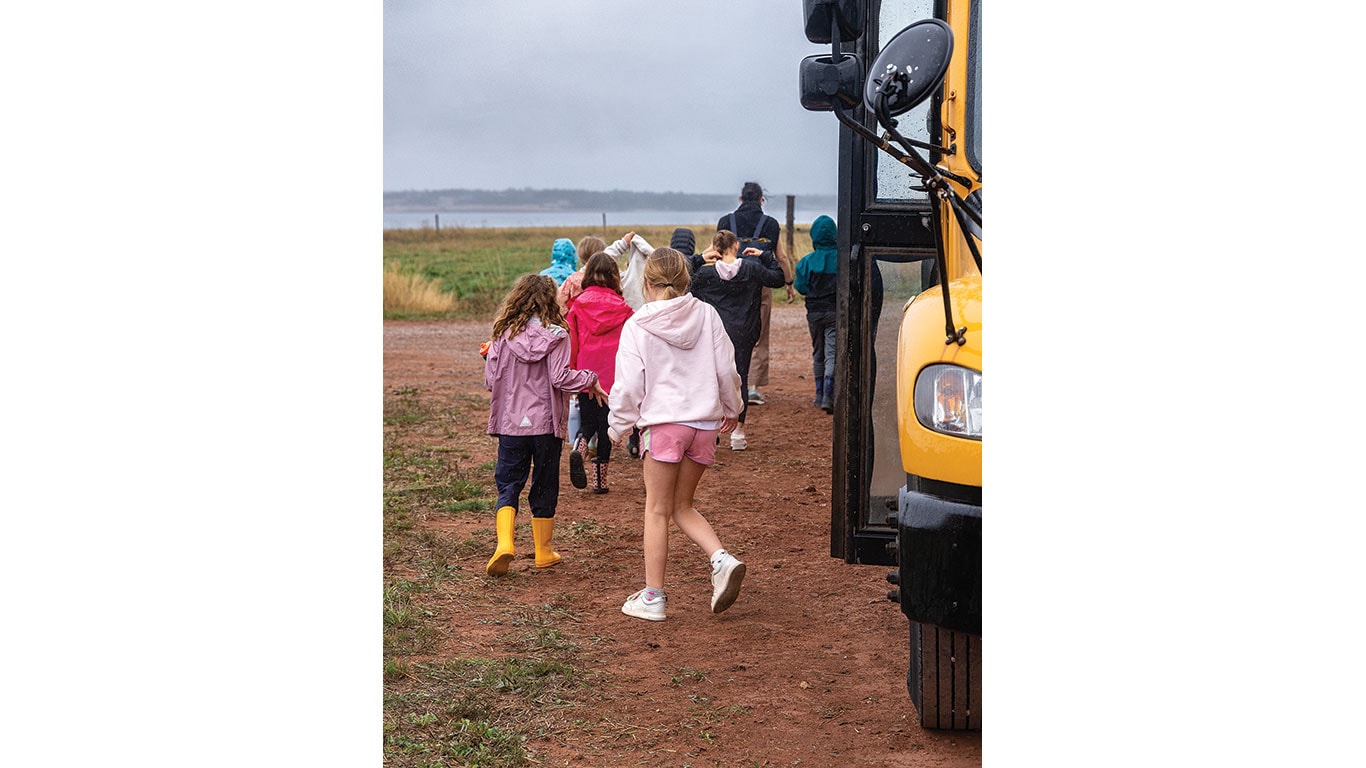
Above. John and Jill Wood set up stations to explain how they milk, feed, and care for their dairy cattle. It's the first time many students have visited a farm. Grade 3 Day is a highlight of the students' school year. It's always held the Friday before Open Farm Day so many students return with their parents to show them what they saw.
How it works. "Let's use a school with 80 Grade 3 students as an example," Loane says. "Forty of them might get on one bus and go to a potato farm, and the other 40 board one going to a dairy farm. They'll have their snack at the dairy farm. They'll each remain at their farm for about 45 minutes, and then they get back on the bus and head to the opposite farm. We start around 9:00 to 9:30 in the morning and by roughly 11:30 we're all done. The kids will be back to school for lunch. So, there are lots of kids, farms, and logistics involved."
The outing is about more than giving young grade school students a fun morning. For many of the students on the buses, it could easily be their first opportunity to have ever visited a farm. Loane says most Canadian children today are at least three or four generations removed from farming.
"We're losing that direct connection," says Adam Jay with G Visser & Sons, in Vernon Bridge, PEI. He hosted two classes of Grade 3 students for the first time in 2025. "The children of today are the customers or the farmworkers of tomorrow. If we don't make that connection now, we miss our chance."
Jay pulled out all the stops for the visiting school children. They had set up education stations to show how they grow potatoes, talked about the growing season, and explained the harvest process. Then they had a harvest demonstration.
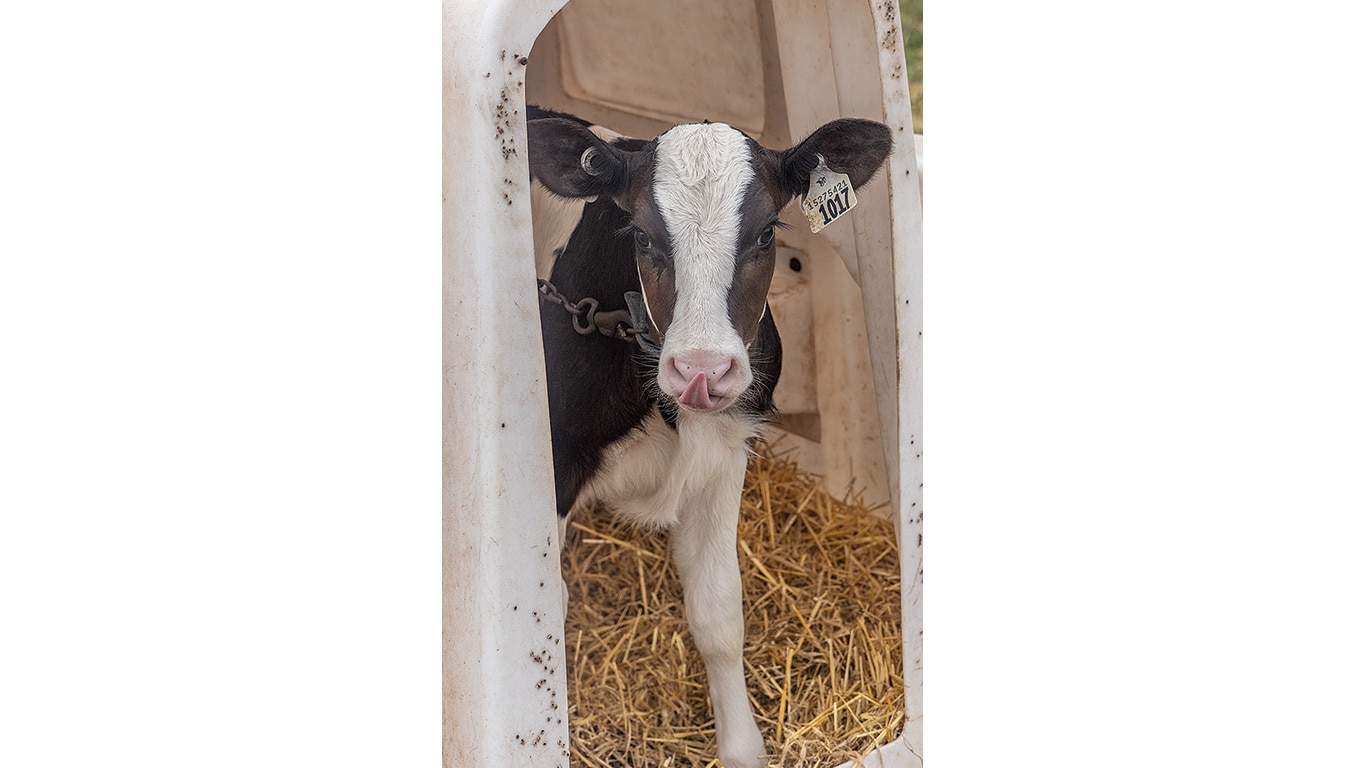
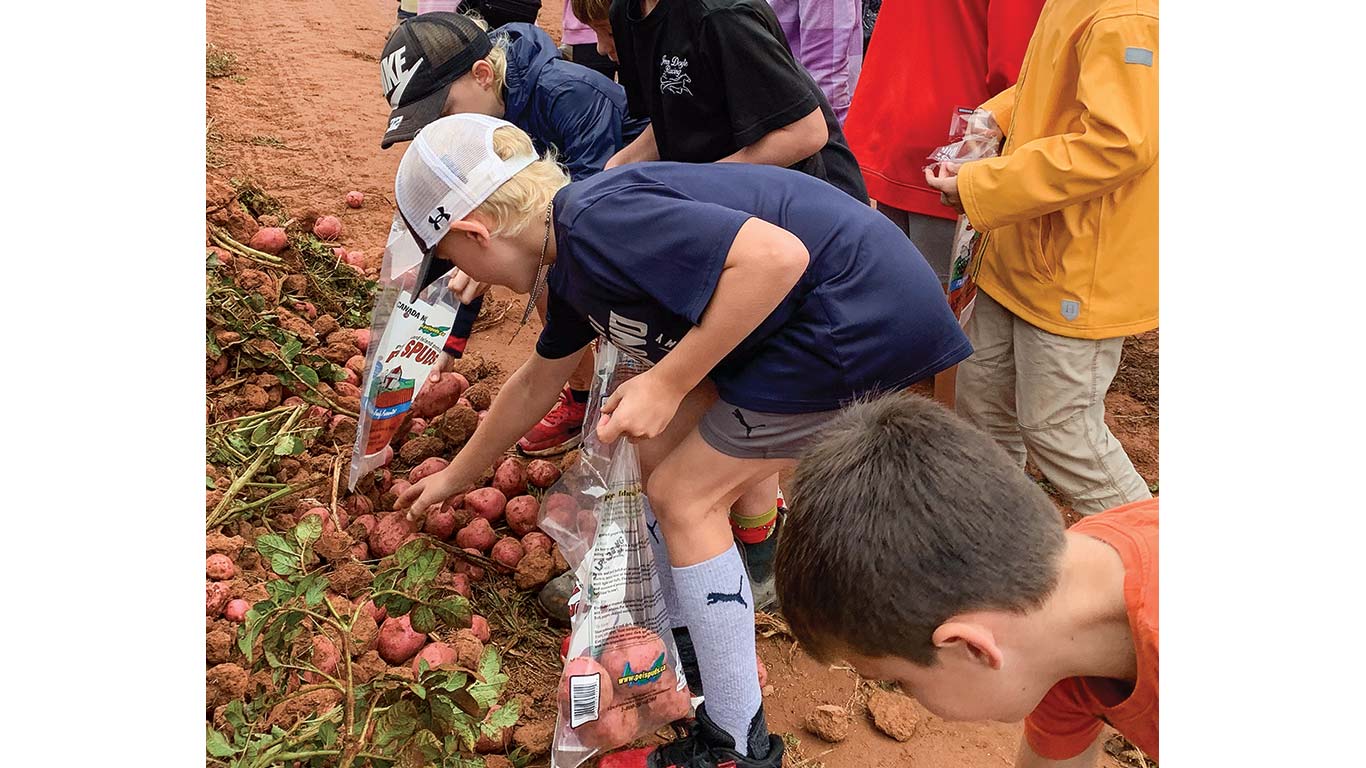
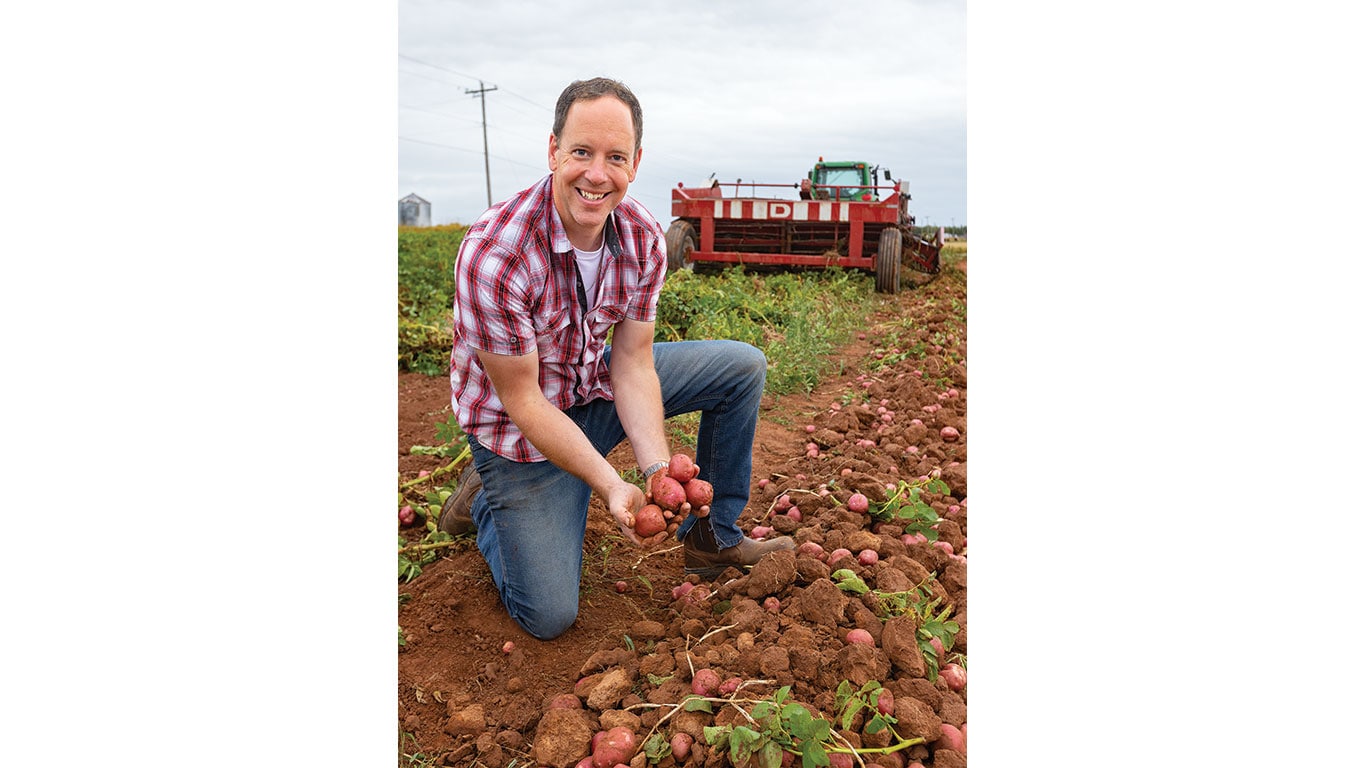
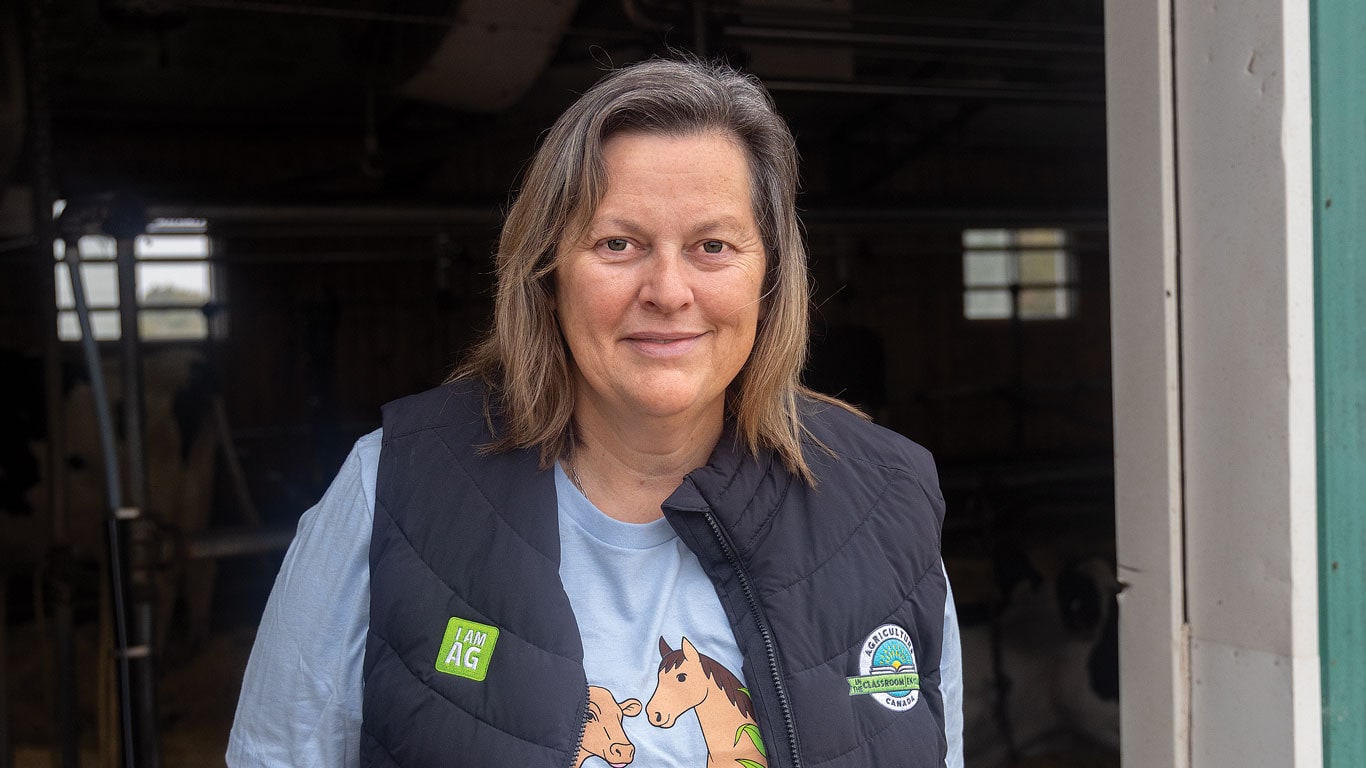
Above. Students were thrilled to have been given an opportunity to name a calf. Students at West Royalty Elementary continue to closely follow its progress. Each student visiting Jay's operation picked a bag of potatoes to take home. Jay says hosting students at their farm gives them a chance to connect with students. Organizer Laurie Loane with Agriculture in the Classroom PEI says all their school programs must be vetted and match their curriculum. Grade 3 Day slots in perfectly with that grade's plant and soils science studies.
Bags of potatoes. "We had set up an area where the kids could watch a four-row windrower dig potatoes," Jay says. "Then we gave each of the kids a three-pound bag that they could fill with their own potatoes. Next, we brought them into a potato storage shed and talked to them about the scale of potato storage and how many bags it would take to fill that building. Then we sent them off to their next farm."
The curiosity they showed amazed Jay. They asked lots of great questions, sometimes it seemed dozens at once.
"They asked why the potatoes were red," Jay says. "Or how come so many potatoes grow in one spot. They wanted to know if potatoes had to be dug by machine or if they could be dug by hand too. A lot wanted to make a connection. They'd say things like 'my dad really likes tractors' or 'my cousin grew up on a potato farm.' It was neat to see that."
Jay says they appreciated being able to take a bag of potatoes home with them. Loane says that's not surprising because even in a province as agricultural as PEI, some students come from homes where grocery budgets are tight. Food security is a real concern.
"If you asked a student where did you pick up your potatoes today, they would tell you the grocery store," Loane says. "So, it's super important for those of us that come from agricultural backgrounds to help these students understand where their food comes from. They need to know that a carrot starts as a seed in the ground and it grows the same as they grow. This program gives them little pieces of that."
Something as simple as giving students a small bag of potatoes to take home becomes meaningful. It drives home to them that farmers aren't producing abstract commodities, they're growing dinner.
Every farmer participating in Grade 3 Day shared stories about the students' curiosity. They were fascinated by the machinery, loved the animals, but absolutely lose their minds when a cow poops.
"That's always the highlight," chuckles John Wood, a dairy farmer from Marshfield, PEI. Wood and his wife Jill have been hosting Grade 3 classes for eight years. "If the kids come from a school in the city, this will almost always be the first time they've ever been on a farm. They've never seen an animal that big go to the bathroom before. You get screams, laughs, everything."
The couple sets up stations explaining milking, feeding, calf care, and dairy products. But he says the real learning happens organically. They ask a lot of questions and are at the age where they absorb far more than Wood expected. No wonder students find it one of the most exciting mornings of their school year.
"Grade 3 Day is my favorite day of the year too," says Buttimer. "These kids are so excited; it makes me feel young again."
Part of the program's goal is to give students an educational experience that they remember for years. A new calf, born two days before the students from West Royalty arrived at the Buttimers', provided one. Abe asked the students to give it a name.
"I told them the name had to start with R," Abe says. "Within minutes they came back with 'Reeghan,' after a girl in the class. A few minutes later they approached again and said another girl's name started with R too, so could it be 'Reeghan Rose'? Holstein Canada allows 30 spaces, so we wrote it out and it fit."
That simple moment snowballed into pure emotional gold. Their teacher Charlene Zakem says it touched the entire class.
"We have a cow stuffy named Reeghan Rose in the classroom now," Zakem laughs. "Abe sends photos every so often to show how she's growing. The kids feel like she's their class pet."
One of the program's many strengths is timing, Loane says. Because it's always held the Friday before the province's Open Farm Day, thousands of islanders are visiting. It creates a ripple effect.
"The kids come back with their families," Loane says. "You hear them telling their parents, 'This is the calf I touched!' or 'This is where the tractor was!' They become the tour guides."
"It's a real highlight at the beginning of the school year," says Teo's teacher Julie Lynch. "When we get back to the school it's always nice to do a recap with the kids."
Lynch's students wrote down all the things they loved about it in thank you letters. Some loved learning about how girl cows produced milk, some liked the calves, others liked the cats. Many mentioned the snacks, but all mentioned how much they loved the entire experience. Loane hopes they'll still be talking about the time they went to that dairy farm 10 years from now. ‡
More articles related to:
Read More of The Furrow
AGRICULTURE, LIVESTOCK/POULTRY
Bees and Beef
Regenerative tactics have paved the way for the next generation.
SPECIALTY/NICHE, RURAL LIVING
A Thousand Thanks
Flag display connects community to its veterans.