 A John Deere Publication
The skincare aisles in any store carry a vast number of skin cleansing products but according to the FDA, only a small number are true soaps. Most are classified as synthetic detergent products, only a few are true soaps.
Education, Specialty/Niche December 01, 2025
True Soap
An age-old process matches our modern sentiments.
Story and Photos by Lorne McClinton
Julia O'Neill could be a poster child for how life can change in the blink of an eye. Her career as a horse breeder at Once Upon a Farm in Picton, Ontario, came to a sudden end when a serious accident left her having to relearn how to walk, talk, and eat. Since working with horses was no longer an option, Julia decided to downsize to smaller animals. They settled on Nigerian Dwarf goats because they're small, gentle, and easy to manage. Inadvertently this decision launched Julia and her daughter into a new career in one of the hottest trends in personal skincare products—goat milk soap.
Every store's skincare aisle carries a vast number of skin cleanser products. But according to the FDA, only a handful are actual soaps, the majority are synthetic detergent products. All real soaps are made using saponification, an age-old process that uses a strong alkali, like lye, to transform fats and oils into soap and glycerin. Goat milk is ideal for it.
Julia didn't have soap making in mind when she first got goats, but she hadn't considered how quickly the herd would multiply. In no time she had a dozen goats that were producing far more milk than they could possibly drink. Faced with an abundant supply, Julia decided to revisit an old hobby, soap making.
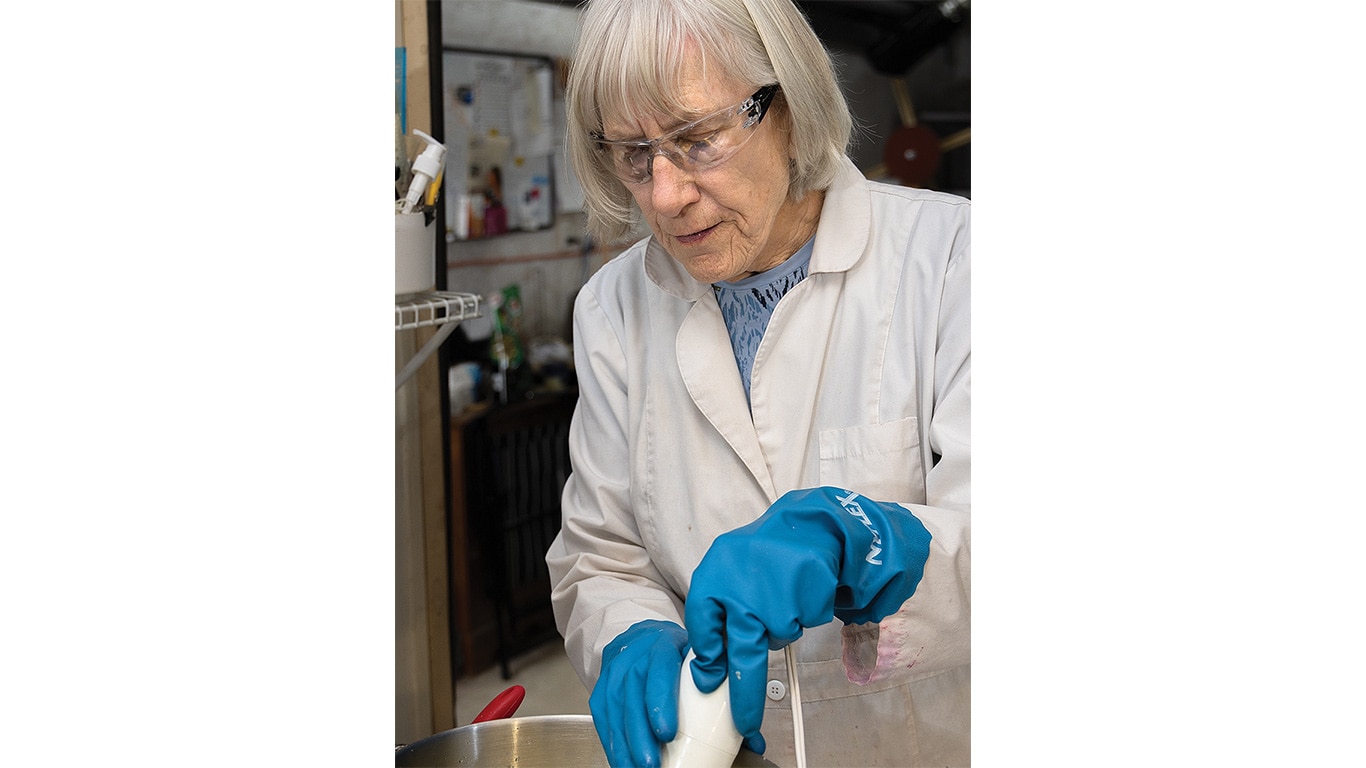
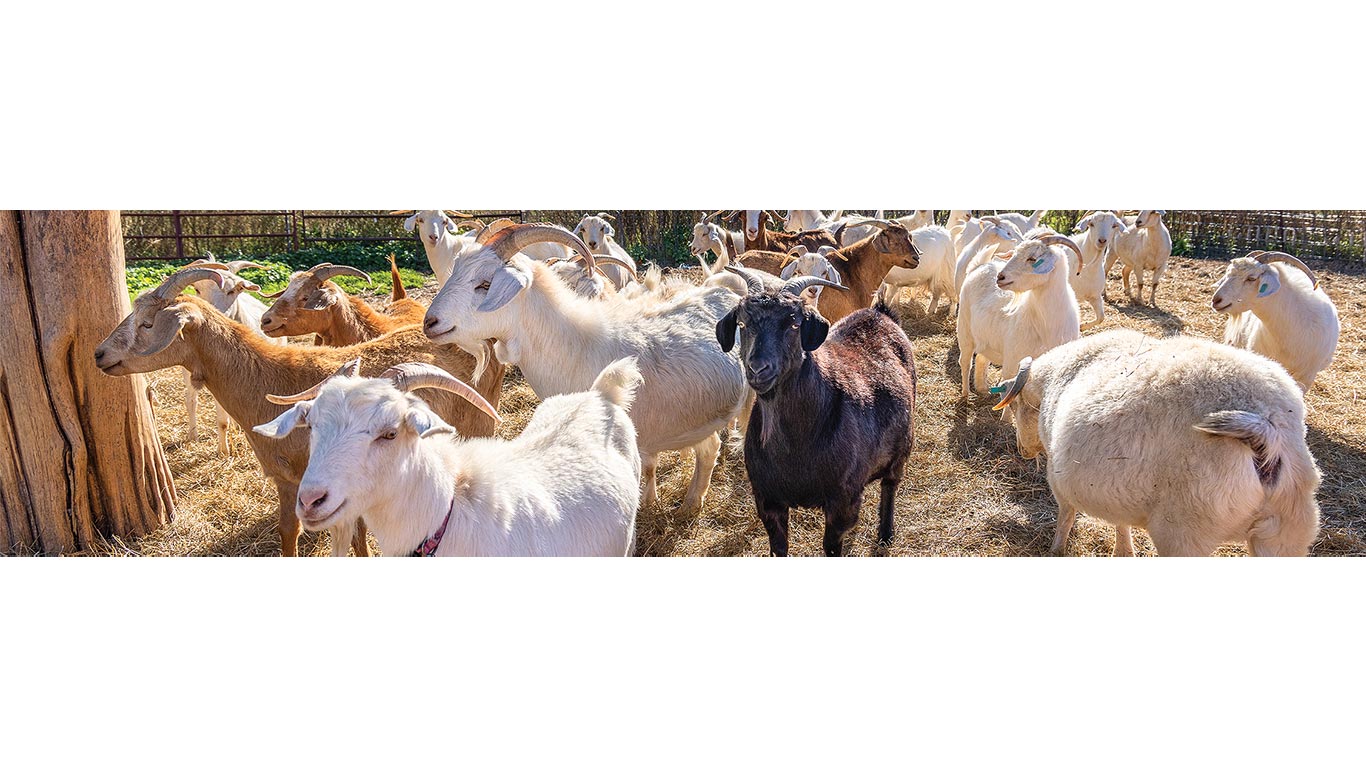
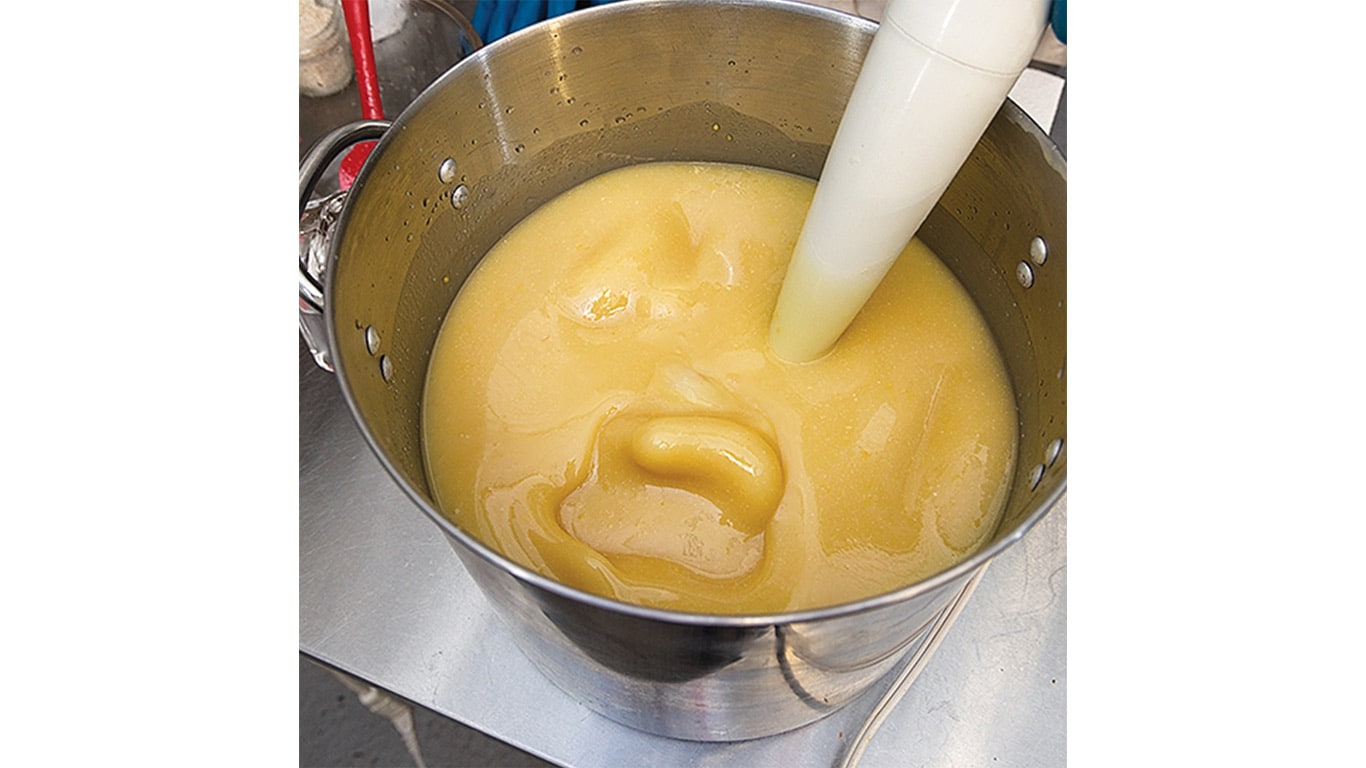
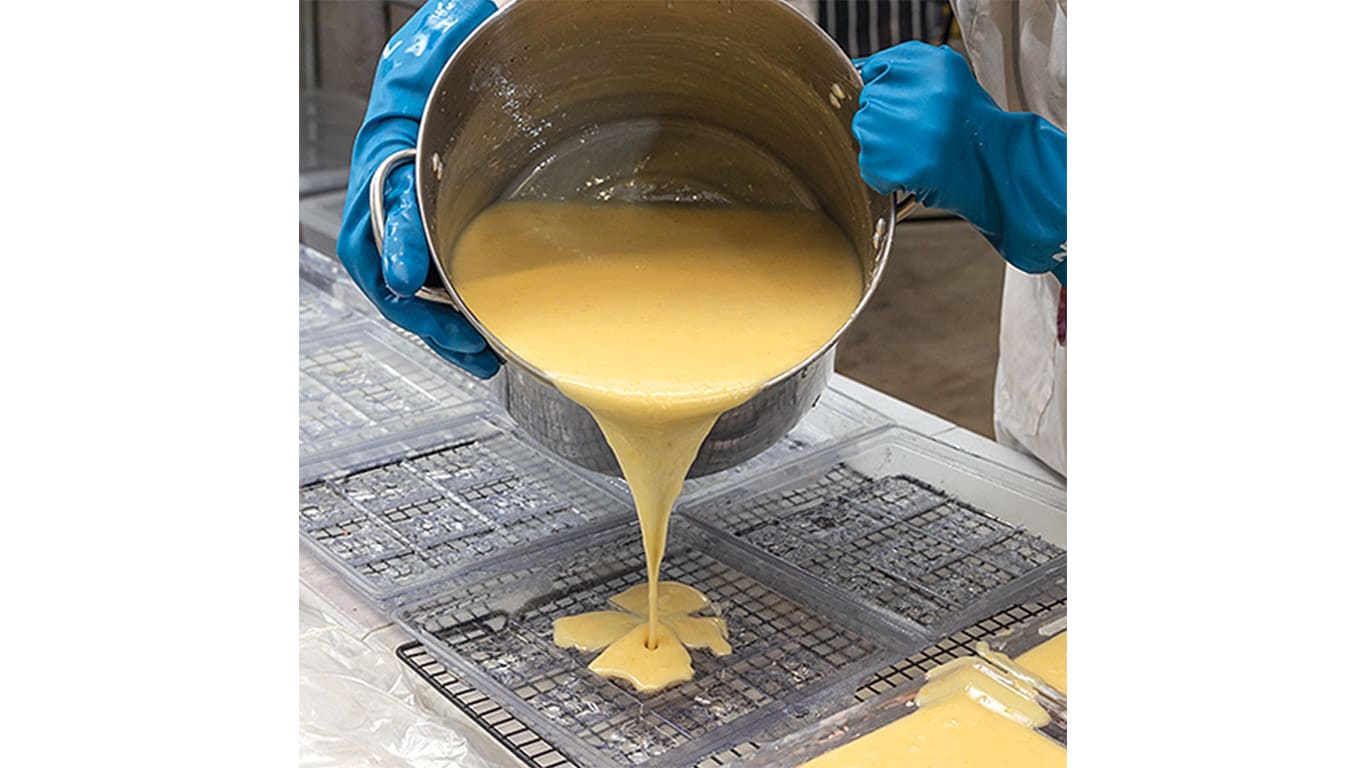
Above. Julia O'Neill uses a hand blender to stir the lye, goat milk, and olive or coconut solution while the saponification process takes place. Originally Julia's goats were only for companionship and a bit of milk. Once the soap solution reaches trace there is little time to lose to get it poured into molds before it starts to harden.
Dates to antiquity. Goat milk soap dates to antiquity. The ancient Egyptians and Greeks are thought to be the first cultures to use goat milk to make soap. They valued it for its moisturizing and healing properties. It also meets today's demand for natural products.
"Goat milk, especially Nigerian Dwarf goat milk, is very high in butterfat so it's gentle, rich, and creamy all by itself," Julia says. "It's high in fat soluble vitamins, A, D, E, and K and contains lactic acid. This makes it really good for your skin, especially if you've got skin issues like eczema."
Making their artisanal soaps is meticulous precision work; any misstep working with the caustic lye can be hazardous. Just like high school chemistry class, they think safety first and always make a point to wear gloves, goggles, and cover their skin.
"The chemical reaction [saponification] generates a lot of heat," Julia says. "We take a lot of care not to cook the milk. We use frozen milk, so it starts off cold."
The lye and goat milk solution is then carefully poured into either olive or coconut oil and stirred constantly as it thickens. By the time the reaction is finished, the solution will reach a pudding-like texture, the lye is completely neutralized. Julia uses a mixing spoon to drizzle a sample over the surface to check its texture. When it leaves a raised path across the surface, it's reached what's called trace, and the process is finished.
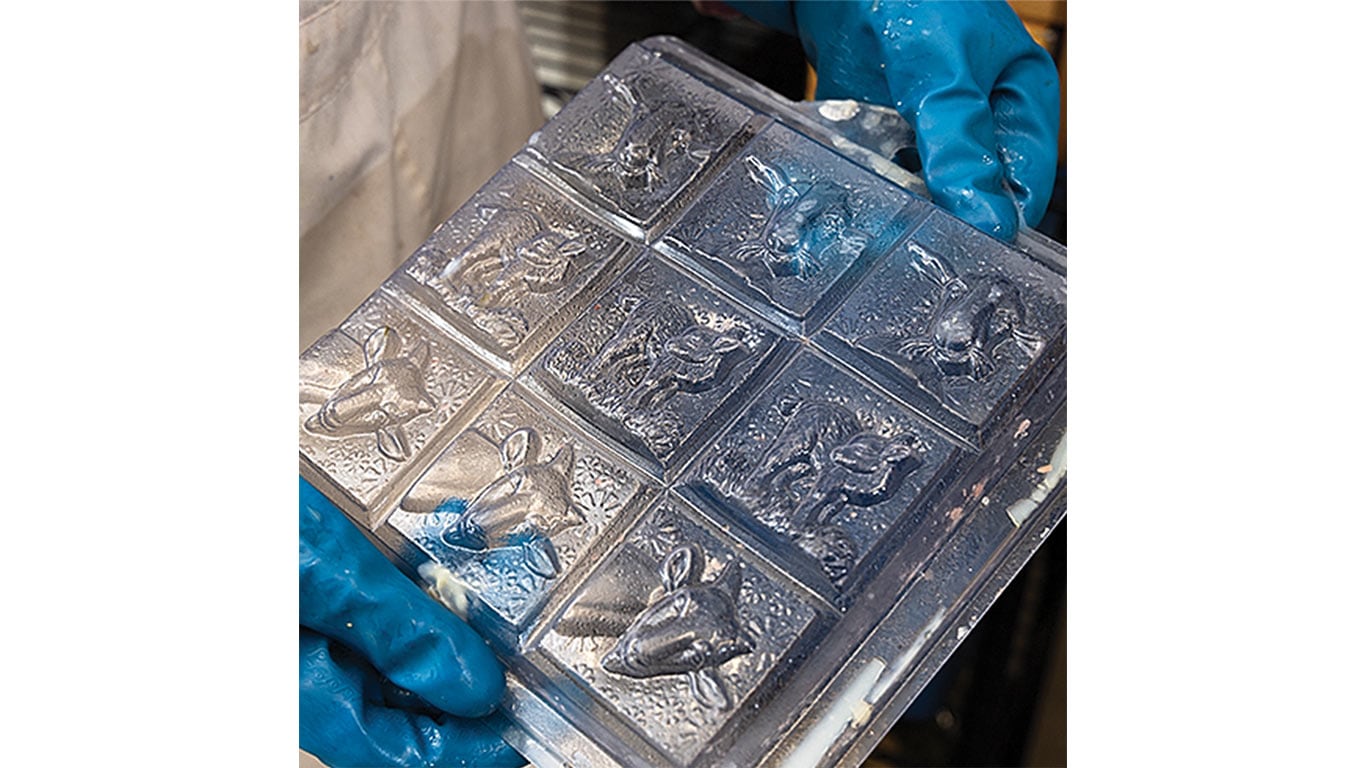
"We have to add any essential oils, honey, oatmeal, or extras quickly at this stage," Julia says. "There's not a lot of time to waste; we must get it poured into molds before it starts to harden. Then they're set aside, usually for a day, to let it harden. Then we unmold it and let it sit on cooling racks until it's solid enough to cut. The separate bars are left exposed to the air to cure for four to six weeks before packaging."
While goat milk soaps have been around for ages, the consistency of today's ingredients and the accuracy of modern scales produces results yesteryear's soap makers could only dream of.
The result is the richly lathering, all-natural ingredient bars of soap her customers are looking for. Julia and Jocelyn offer four signature soap bars: Simply Goat's Milk, Lavender, Rosemary Peppermint, and Honey Oatmeal. They also make a popular line of goat milk hand lotions.
Their quality keeps their customers coming back. Many become loyal fans, purchasing regularly at local markets or ordering annually from distant places. But for Julia it's the community aspect of selling at the local Picton Farmers' Market she loves the most—and seeing familiar faces. ‡
Read More

AGRICULTURE, LIVESTOCK/POULTRY
Flock Forward
Holiday traditions build up a turkey farm worth passing down.

EDUCATION, SPECIALTY/NICHE
Prairie Remnants
Nokota horses, staging a comeback.