 A John Deere Publication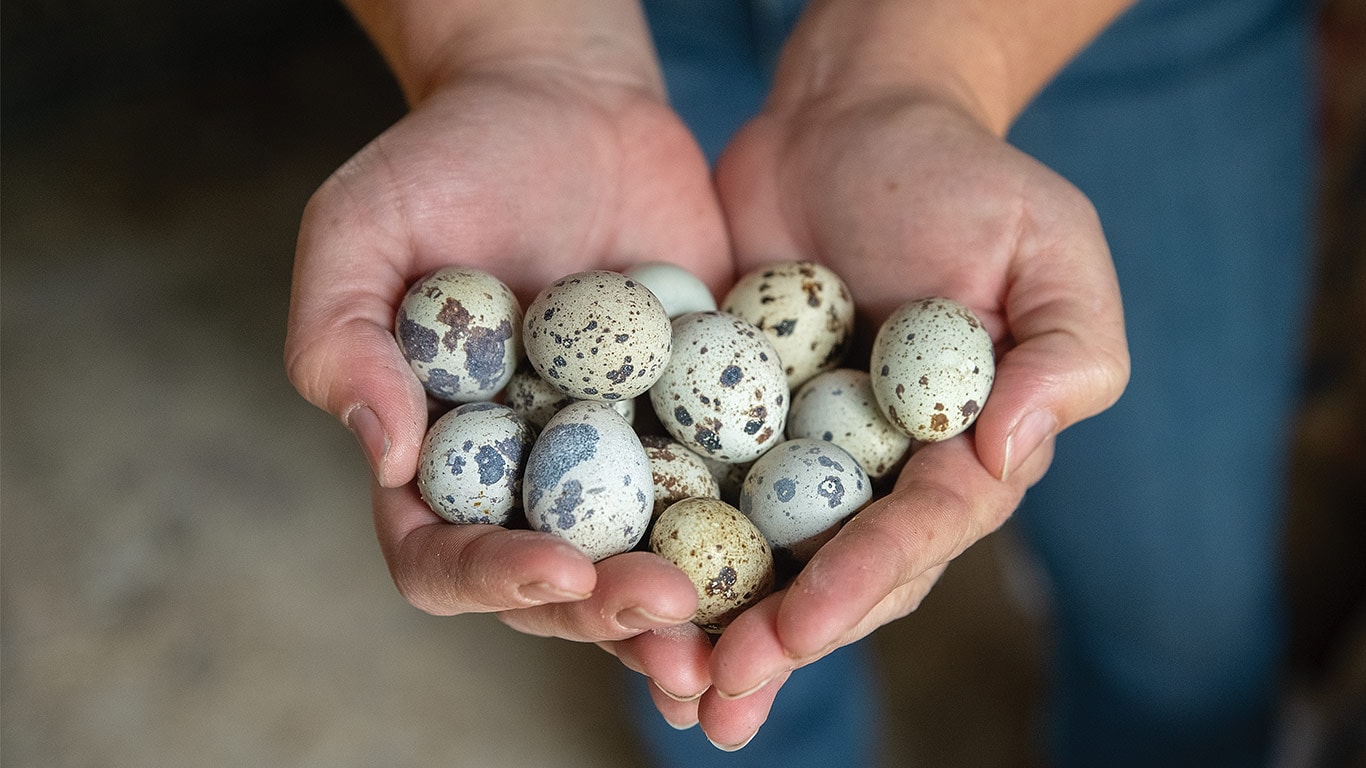
Agriculture, Farm Operation December 01, 2025
Scratching the Surface
Growing a market for all the weird stuff.
Story and Photos by Katie Knapp
"I like the left field stuff, like game birds, rabbits, and the weird vegetables," says Bethany Salisbury while gathering quail eggs on her homestead outside Henry, Ill.
She and her husband Bob (who works for a larger, row crop farmer) started raising meat and produce about 10 years ago to supply their own food and allow Bethany to stay home with their children in rural Saratoga township.
Bethany's comfort with the unconventional started early. Her family ate more venison than beef when she was little, with her grandfather and father hunting deer and processing their own meat rather than paying grocery store prices.
"I grew up thinking that was normal," she says. "Beef was rare for us. It wasn't until I got to school that I realized other families ate it regularly."
She also learned responsibility young. "While my mom was going to school, I was in charge of going to the store. I remember putting my younger siblings in the cart behind my bike and getting groceries with the link card."
When she and Bob started their homestead, "the goal was always just to have stuff to feed ourselves." The goal wasn't to raise extra to sell.
Bethany was content just scratching the surface of homesteading and posting about her unconventional interests—and successes and mishaps along the way—on social media while not worrying about food costs.
"I never thought there would be other people, you know normal people, who would want to eat all of this. I didn't think I could raise the weird for the normal," she laughs as she helps her daughter put a rabbit back in its cage.
The turning point came when Bethany and Bob lost their second child at birth. After the worst thing that could happen happened, she decided to dig deeper and give it a try.
Testing the market. "I used to think if I was going to make this a thriving business, I needed to cater to people instead of the things that make me happy. I thought I had to grow standard red tomatoes and regular chickens," she explains.
Around the same time, the local 4-H program asked her to become the rabbit superintendent. One thing led to another, and she became even more immersed in specialty livestock. This both helped her heal and proved to her she was in the right niche.
"I knew this was what I wanted to do. I just had to be stubborn enough to find my customers," she says.
"I powered through for a couple years and gave a lot of stuff away. I just asked people to try what I had. And, I made a lot of cold calls. The worst thing that could happen was they say 'no,'" she adds.
Her persistence and patience paid off. Now 'Saratoga Homestead' not only sustains their growing family but also has sustained itself as a growing business since 2024.
Her operation now includes quail for eggs and meat, multiple rabbit breeds, ducks, guinea fowl, Hereford pigs, sheep, and dozens of heritage fruits and vegetables.
Customers drive more than an hour to their farm for her specialty eggs, produce, and meat, and she delivers to retailers and restaurants across central Illinois and into Chicago.
"They come to us because we are different," she says, proud of the irony.
She attributes much of her customer growth to the online community building she has done for the past decade.
Her advice to others considering unconventional approaches is straightforward: "I found my ideal demographic within." For more specific advice she simply says, "There's 10 years of my blogs online. Just hit up the search bar."
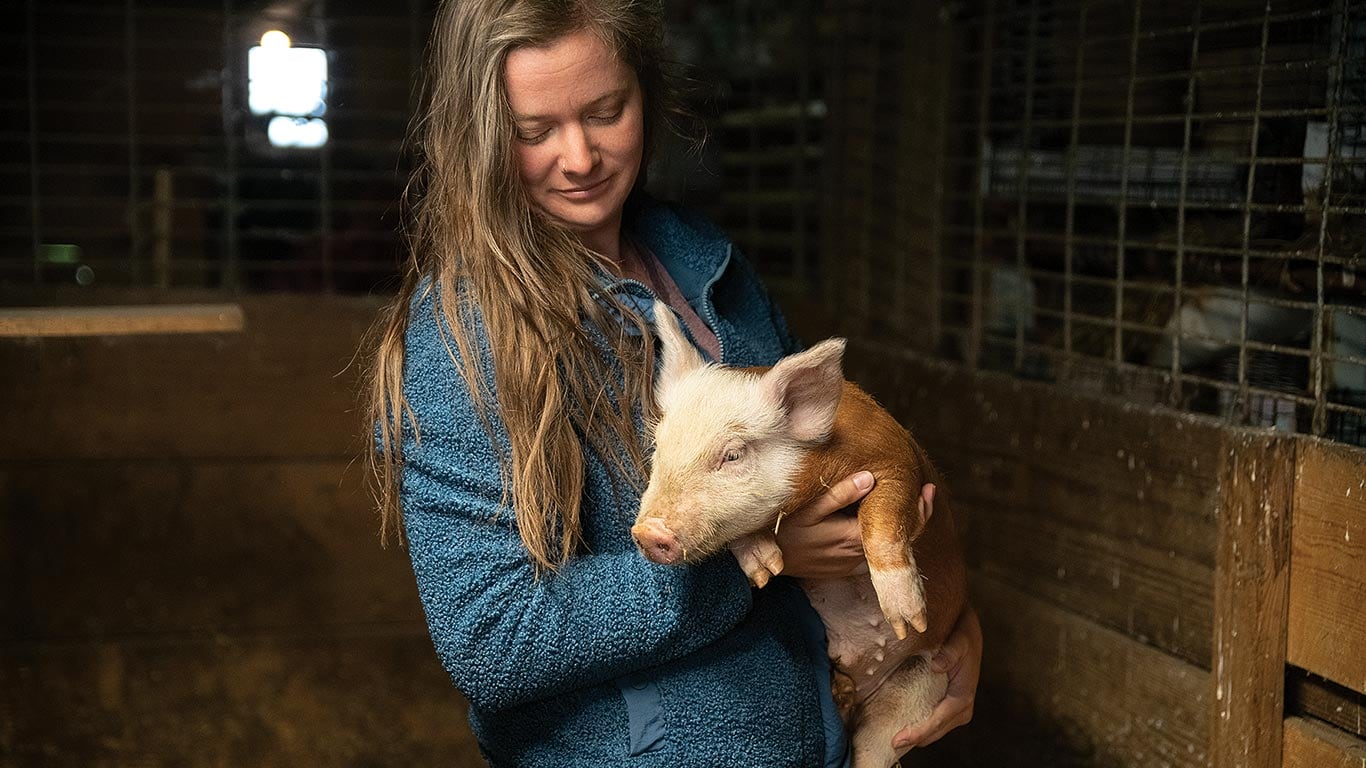
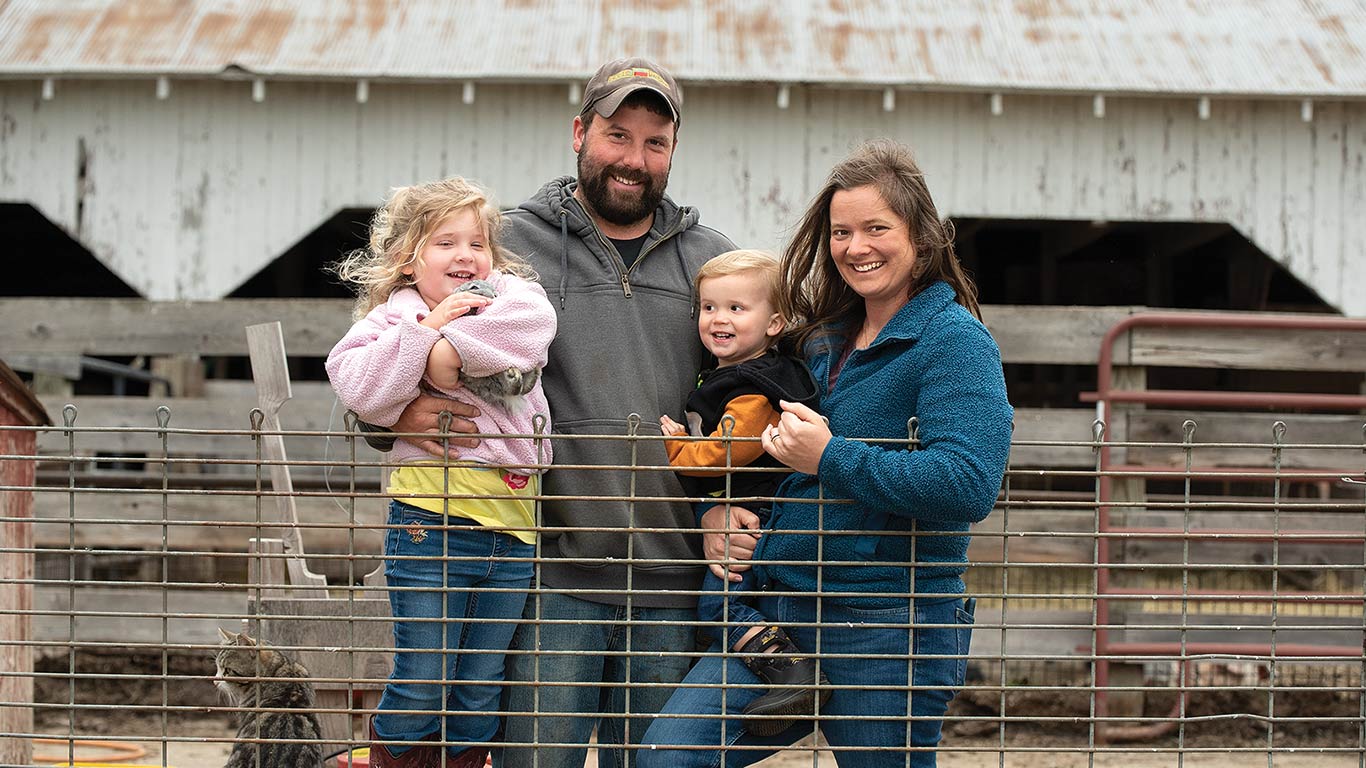
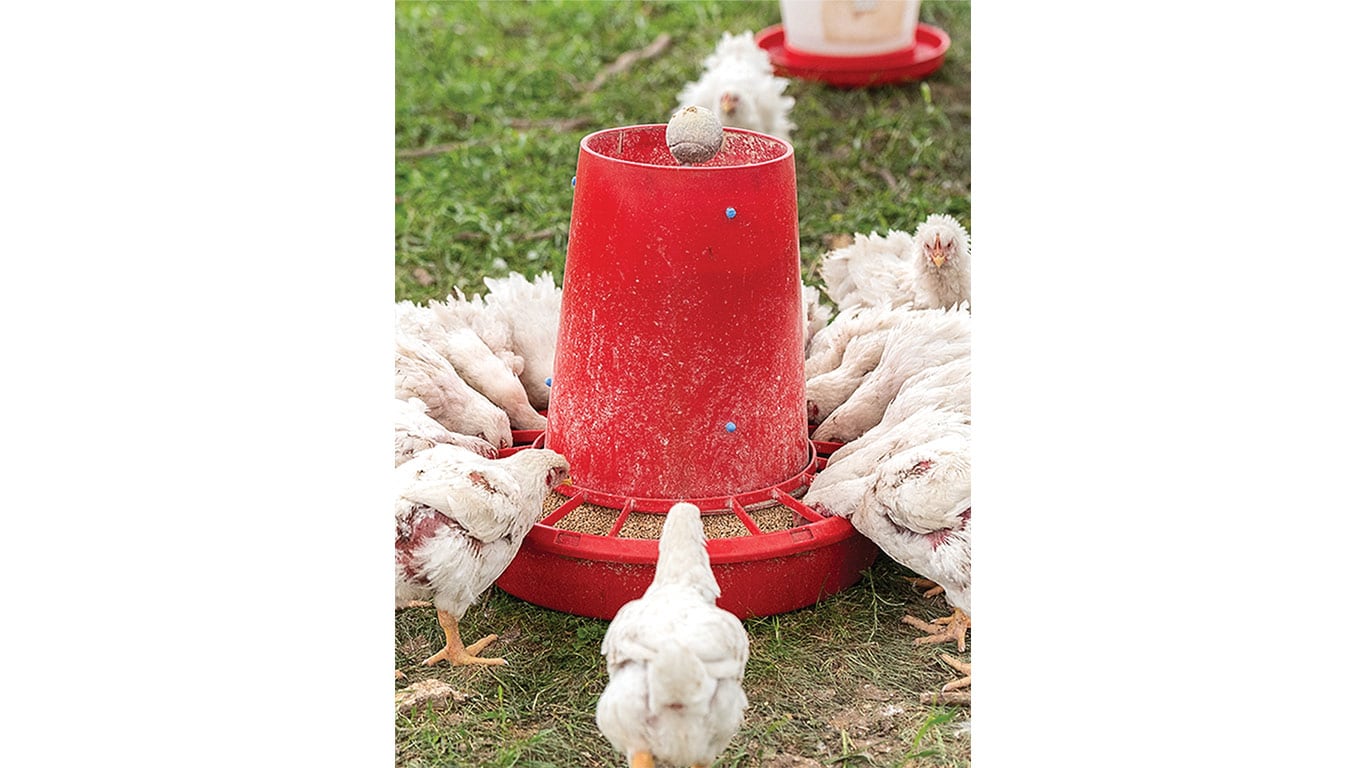
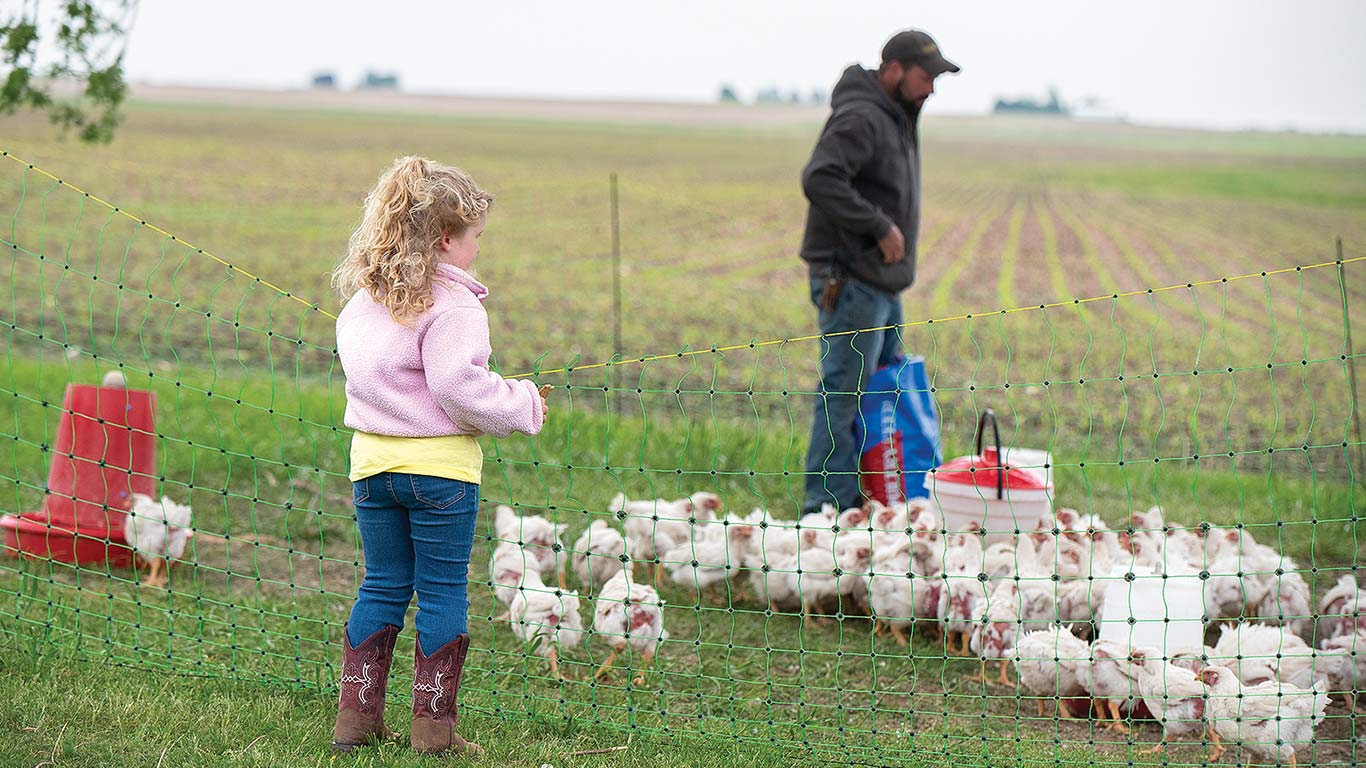
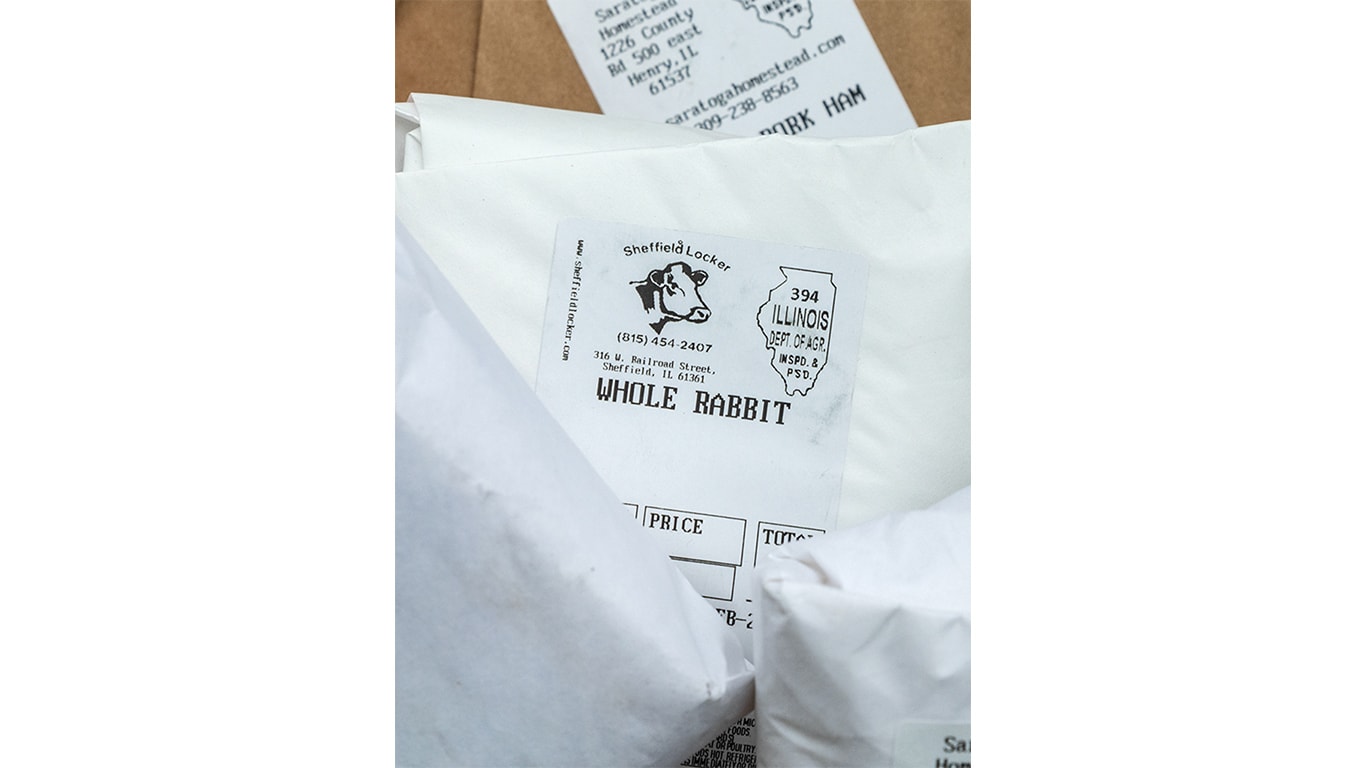
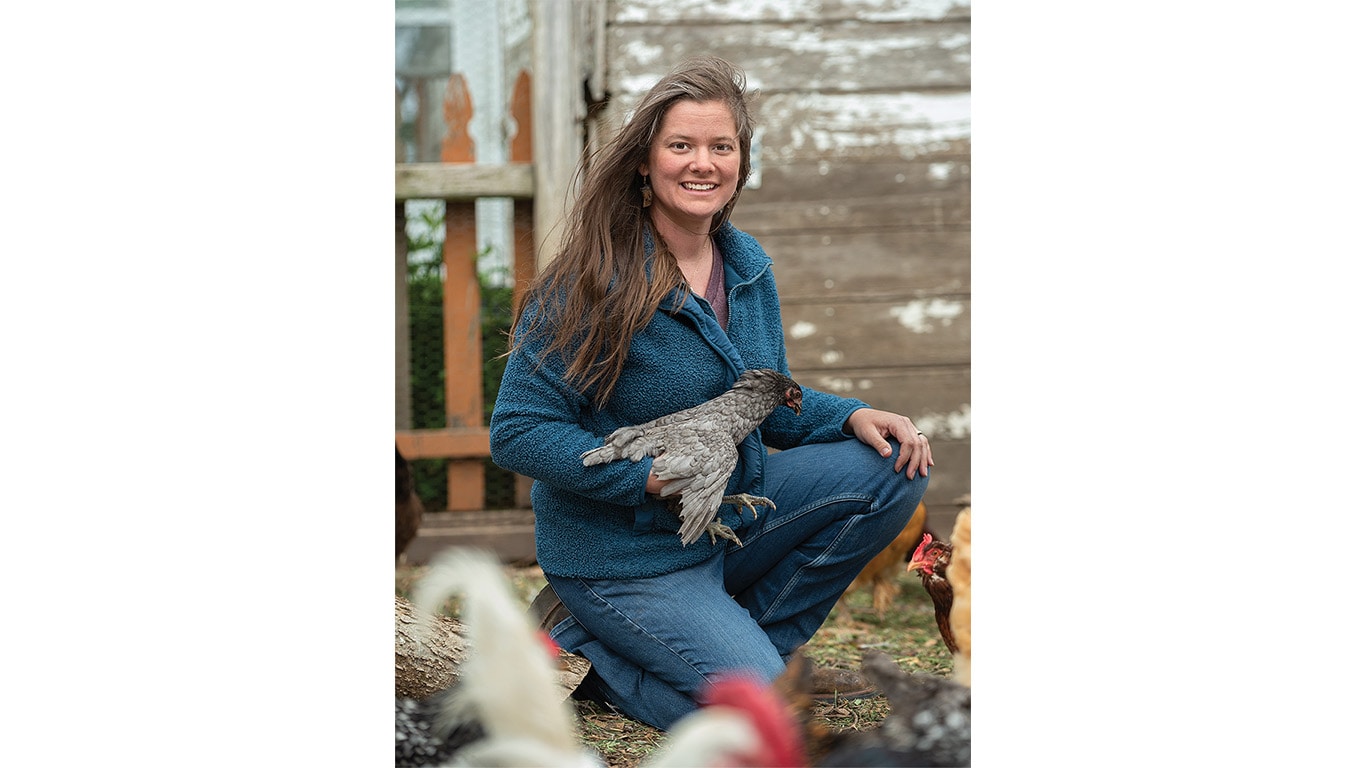
Above. Bethany raises many different animals including quails for meat and eggs and Hereford pigs. She also grows dozens of fruits and vegetables. The children help any chance they get. After feeding their chickens, Bob and Bethany Salisbury pose with their children Anna and Miles. The Salisburys started homesteading to supply their own food. A few years ago, they expanded and now sell meat, eggs, and produce through an on-farm stand, farmers' markets, and wholesale to restaurants and retailers. Bethany has always loved the "weird stuff" and is proud to now be able to also help feed her community.
Navigating the gaps. Finding customers who were hungry for something different wasn't the biggest hurdle for Bethany.
Finding suitable and available processing facilities was.
Bethany found herself caught in a regulatory and infrastructure gap, just like many other niche producers.
Her numbers were too small to fit certain processors. The state's laws prohibited others from handling her species. And, the tough labor market caused other lockers to close.
"I got mad," she explains.
Rather than simply complain, Bethany rolled up her sleeves. She took a job at a short-staffed, local locker, and then she began advocating for policy changes.
Through the Illinois Stewardship Alliance, she joined other small farmers pushing for expanded on-farm processing exemptions.
The state legislation they helped put forward this year nicknamed the "chicken bill" flew through the House and Senate with unanimous votes. (It was on the governor's desk at the time of writing.)
"The legislators were very open to listening to what we had to say mainly because what we presented was down to earth and very different from what they are normally presented," she says. "The bill offers real, noticeable change that is easy to implement because it builds upon infrastructure already in place."
To Bethany, this further proves she can raise the "weird stuff for normal people." Assuming the state law will soon allow, she is going to build an on-farm processing facility to handle all her animals. But for now, she is focused on producing what she can and proudly giving her children the on-farm lifestyle.
Seeing the kids with dirty hands and hearing them tell people a certain pig will soon become meat may be more important to Bob than having a cellar and freezer full of homegrown food.
"There is something very special about growing up on a farm, and now we are building some thing they may be able to take over in the future," he says.
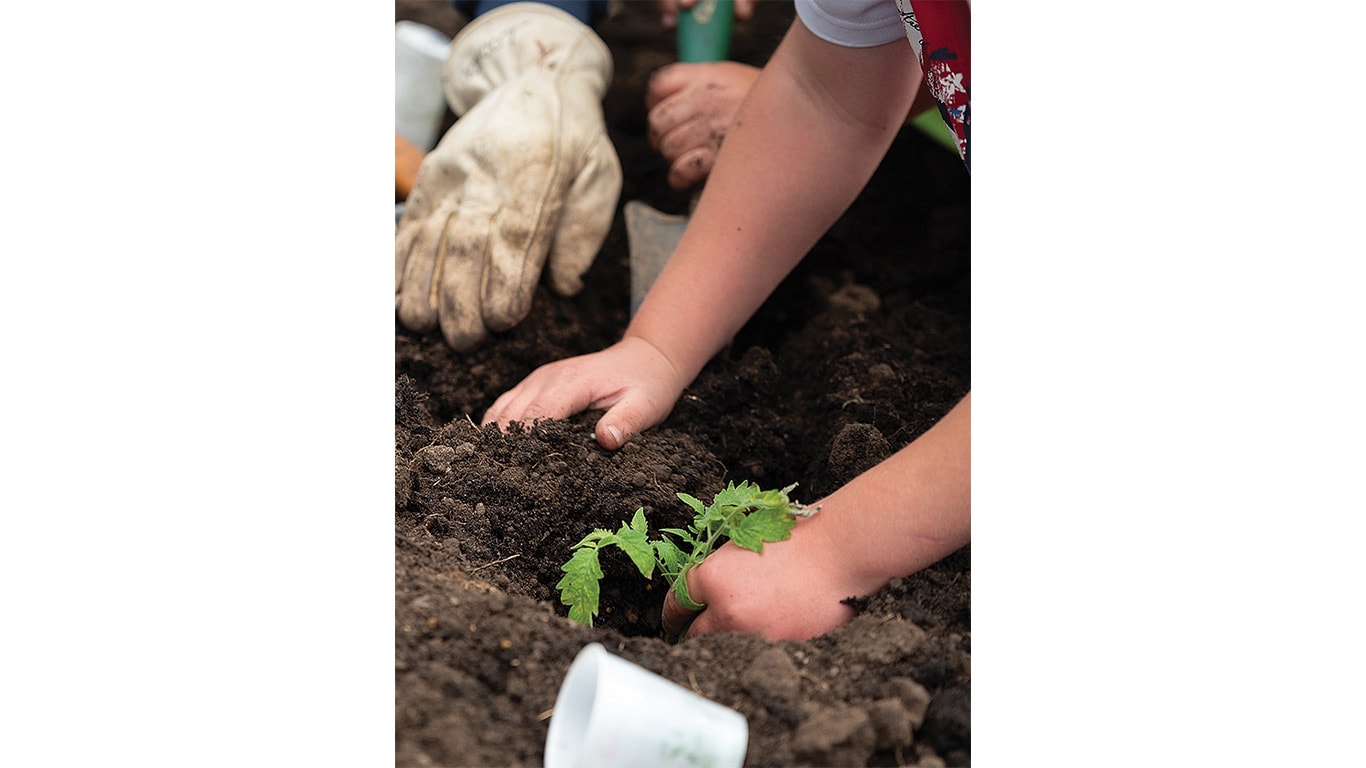
"Anna already handles much of the seed starting. She even taught other kids how to do it at the 4-H garden club this year," Bethany adds.
They both chuckle as they watch four-year-old Anna give a customer an impromptu seeding lesson before following her little brother Miles out of the greenhouse to catch escaped chickens. ‡
Read More
AGRICULTURE, SPECIALTY/NICHE
Boughs That Bind
Christmas tree farming connects land, family, and tradition.