 A John Deere Publication
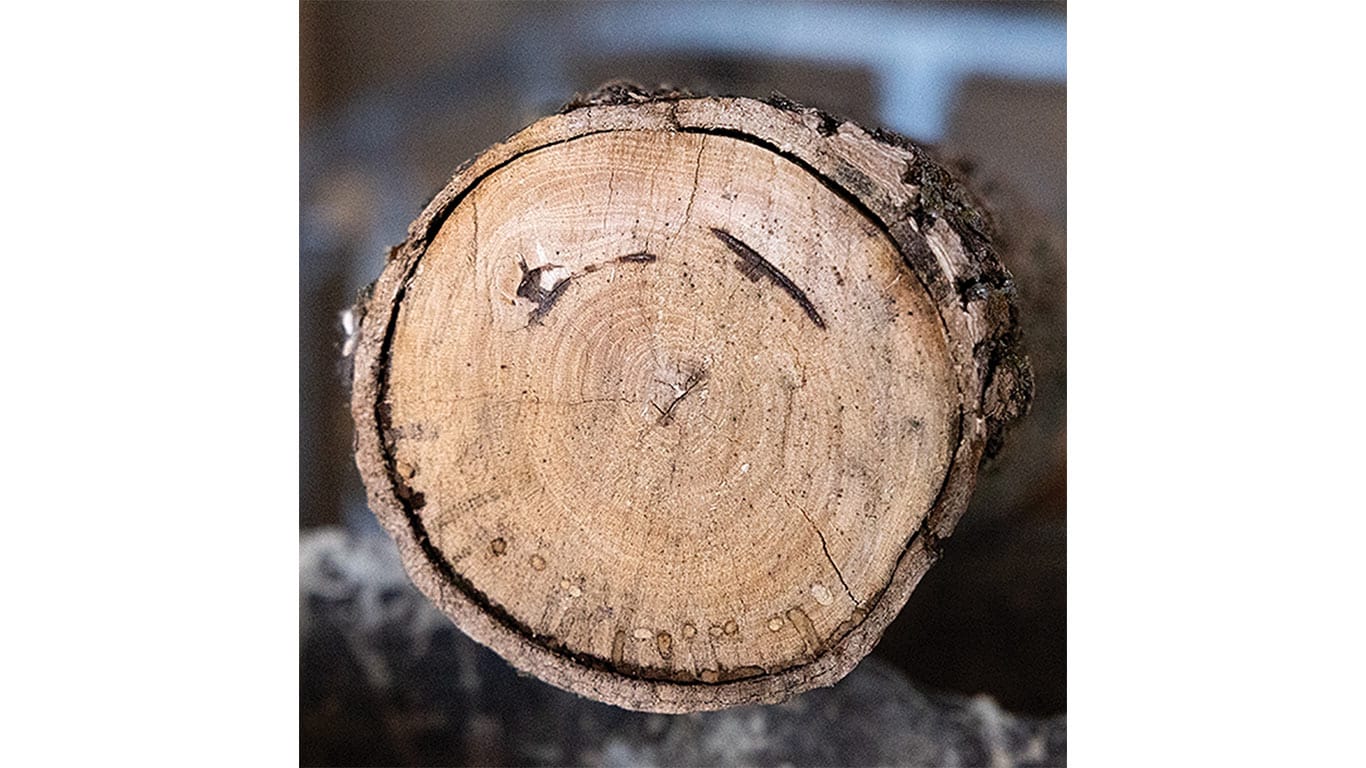
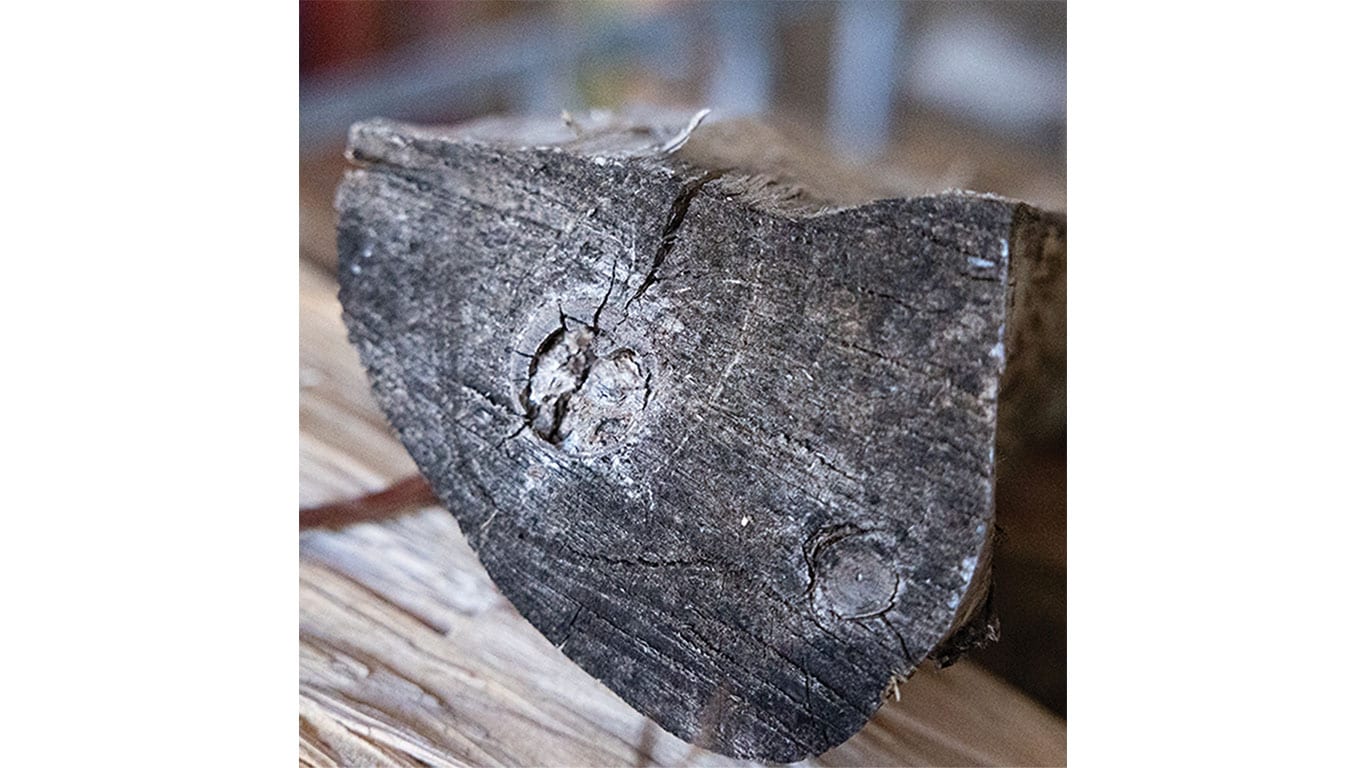
Indicators that a log is dry and ready to burn: the gray color of this hackberry log, and the checks in its face. Firewood needs to be 20% moisture or less to reduce smoke and maximize heat.
Agriculture, Farm Operation December 01, 2025
Firewood Basics
How to get the most from your wood-cutting efforts.
Story and Photos by Bill Spiegel
After more than 25 years in the firewood business, there is not much Andy Quandt doesn't know about firewood.
The Valley Center, Kansas, entrepreneur has fielded hundreds of questions from homeowners, campers, backyard cooks, and homesteaders about the best wood to use for cooking, heat, ambiance, and get-togethers.
Quandt's business, Woodchuck Firewood, LLC, offers firewood pickup, bundles of wood for sale at local retail outlets, truckload delivery locally, and even ships wood throughout the country. He's spent years helping people find the right firewood for their specific needs.
When it comes to firewood, Quandt follows one golden rule: not all woods are equal.
There is a difference between firewood for heat—typically his mixed hardwood packages (like oak, ash, maple, hackberry, and elm, for example) are ideally suited for that application—versus firewood for ambiance.
Wood for heat. The most important thing to know about burning wood for heat is that the wood needs to be dry. Some experts suggest at least a full summer is needed to dry green wood after it is cut to length; Quandt suggests eight months.
According to the University of Missouri, freshly cut hardwoods in that state have a 75% moisture content. Air-dried hardwood typically has 20% moisture. And the heavier air-dried wood is, the more heat it will produce. For instance, a given volume of hard-woods like oak or hickory produce more heat than lighter woods like cottonwood or willow.
Missouri Extension has a handy guide for firewood ratings; check it out by searching "MU Extension wood fuel for heating." Now, some may have the question 'what species of firewood do I have?'
"Twenty-five years ago, you had to go to a book," Quandt says. "Now we have technology and there are a lot of apps available."
Leafsnap and PlantNet are two highly rated apps; Seek by iNaturalist is a free option.

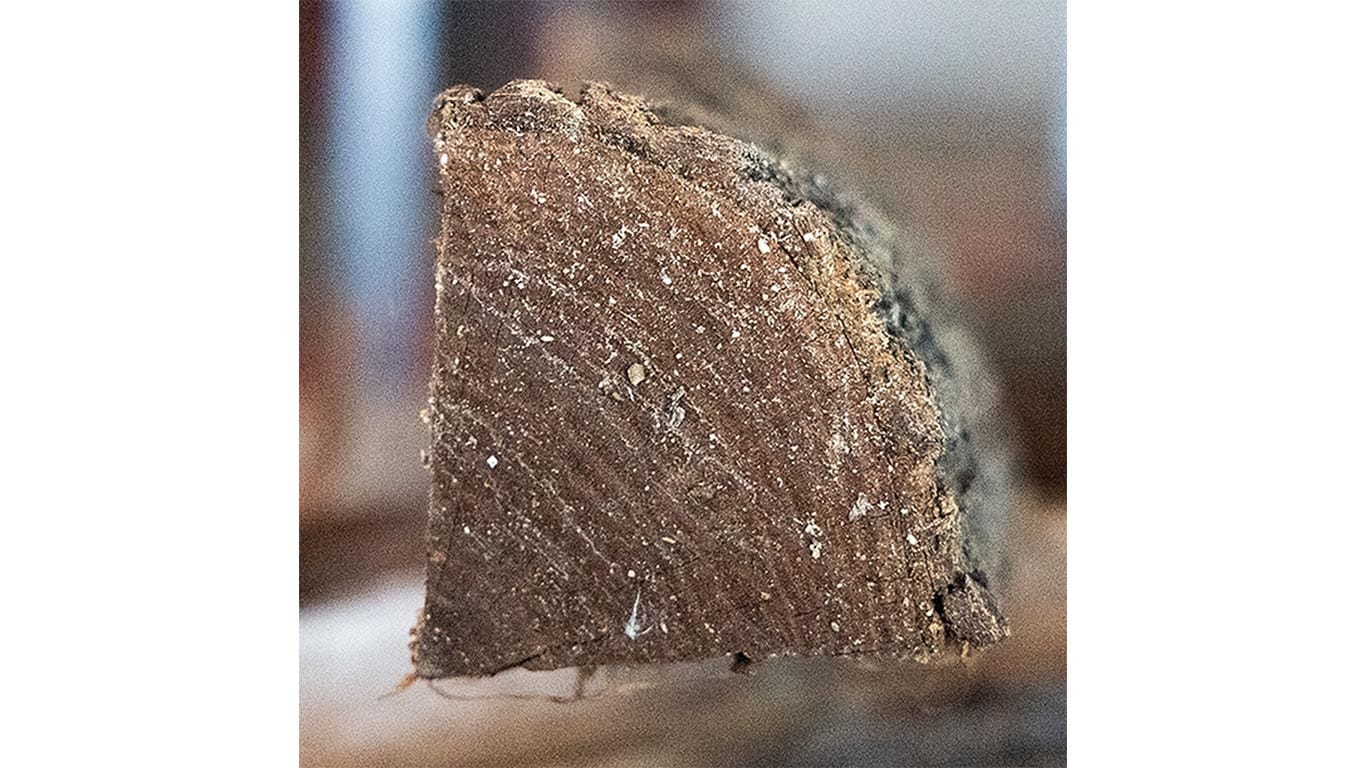
Above. Andy Quandt, founder of Woodchuck Firewood in Valley Center, Kansas, has more than two decades of firewood sales experience throughout the nation. For homeowners, he suggests splitting logs into quarters; raw edges catch fire better than intact logs with bark.
Cut it yourself. If cutting your own firewood, the University of Missouri suggests prioritizing certain woods. Dead trees that are still solid, whether standing or on the ground, help clean up the woods floor and give standing trees room to flourish. Next, harvest diseased or insect-infested logs, provided they can be burned quickly to prevent spreading.
Misshapen, brushy, or crooked standing trees also are candidates for firewood, as are stunted trees and undesirable species.
Quandt offers another golden rule: split it if possible. And unless you want a workout, use a machine.
"Anybody splitting with a maul has got a lot more oomph than I do in life, because there are machines that do that now," he says. "Now there are always some guys who want the extra workout or don't want to spend $1,500 on a splitter. But that's a lot of work."
Whether you use a maul, axe, or splitter, try to cut the log into quarters. Many log splitters have "wings" that can cut logs into sixths or eighths, but often there is a lot of waste: fibers that fall off, or stubs that aren't much good for firewood. You can use those pieces for campfires or kindling, but it requires more work to gather them up, he says.
Splitting is essential because the flat sides of a chunk of firewood are easier to light. An intact log, like in the photo above (bottom left) has bark. It won't catch fire as easily as the two logs on the right.
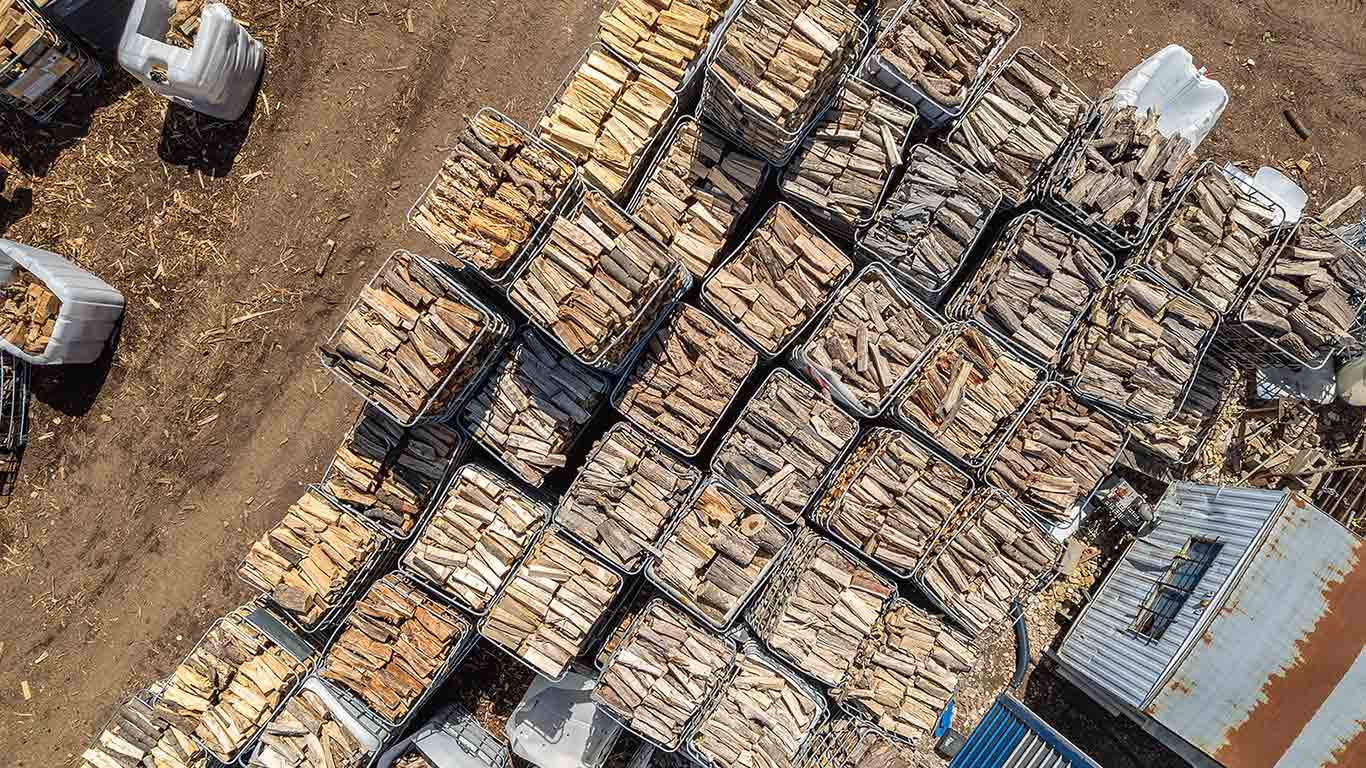
Cords and ricks. Everyone has heard of a cord of wood, but do you know what that means? A standard cord is a stack 4 feet high, 4 feet wide, and 8 feet long, for a total volume of 128 cubic feet. A rick is 4 feet high, 8 feet long, and about 18-24 inches wide. A pickup load of firewood measures about 5.5 feet wide, 8 feet long, and 20 inches deep.
Regardless of quantity, Quandt's golden rule number three involves storing firewood properly. A rack is good; you can buy them or make one using 2x4 lumber set in concrete blocks.
"But if you stack it, try to get it off the ground 4 inches," he says. Cover the top third or fourth of the pile to allow some air circulation in the stack.
And think ahead, he suggests.
"I always recommend homeowners stockpile firewood a year in advance. That's because when that first winter storm comes in October, we've got firewood already," he explains. "Get that stuff cut, split, and stacked and you're golden." ‡