









1Offer valid on qualifying purchases made 01 April 2024 through 30 April 2024. Subject to approved installment credit with John Deere Financial. Down payment may be required. Average down payment is 10%. $13.89 per month for every $1,000 financed. 0% APR for 72 months only. Taxes, freight, setup, insurance, fees, and delivery charges could increase monthly payment. Sales to government agencies, company direct sales or other individuals or entities participating in any John Deere Special Discount Program or Rental Business Program are not eligible. Available at participating U.S. dealers. Prices and models may vary by dealer. Offer available on new equipment and in the U.S. only. Prices and savings in U.S. dollars.
2Offer valid on qualifying purchases made 01 April 2024 through 30 April 2024. Subject to approved credit on a Revolving Plan account, a service of John Deere Financial, f.s.b. For consumer use only. No down payment required. 0% APR is for 72 months only, regular Revolving Plan rates will apply after that. The regular Revolving Plan rate, which varies over time, is currently 23. 50% APR (as of 01 September 2023). Available at participating U.S. dealers. Prices and models may vary by dealer. Offer available on new equipment and in the U.S. only. Prices and savings in U.S. dollars.
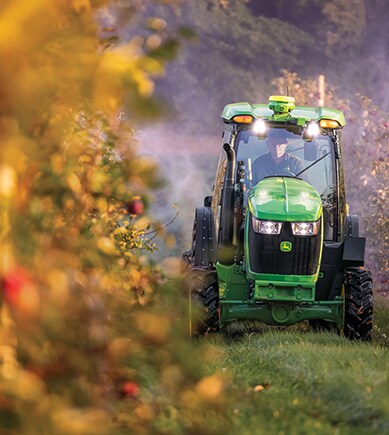
3Offer valid on qualifying purchases made 01 February 2024 through 30 April 2024. Subject to approved installment credit with John Deere Financial. No down payment required. $28.60 per month for every $1,000 financed. 0.9% APR for 36 months only. Taxes, freight, setup, fees, and delivery charges could increase monthly payment. Sales made to government agencies, company direct sales or other businesses/agencies that participate in John Deere's Special Discount Program or in John Deere's Rental Business Program are not eligible. Available at participating U.S. dealers. Prices and models may vary by dealer. Offer available on new John Deere 5M, 5ML Open Station Only, 5MH Series Tractors and in the U.S. only. Prices and savings in U.S. dollars.